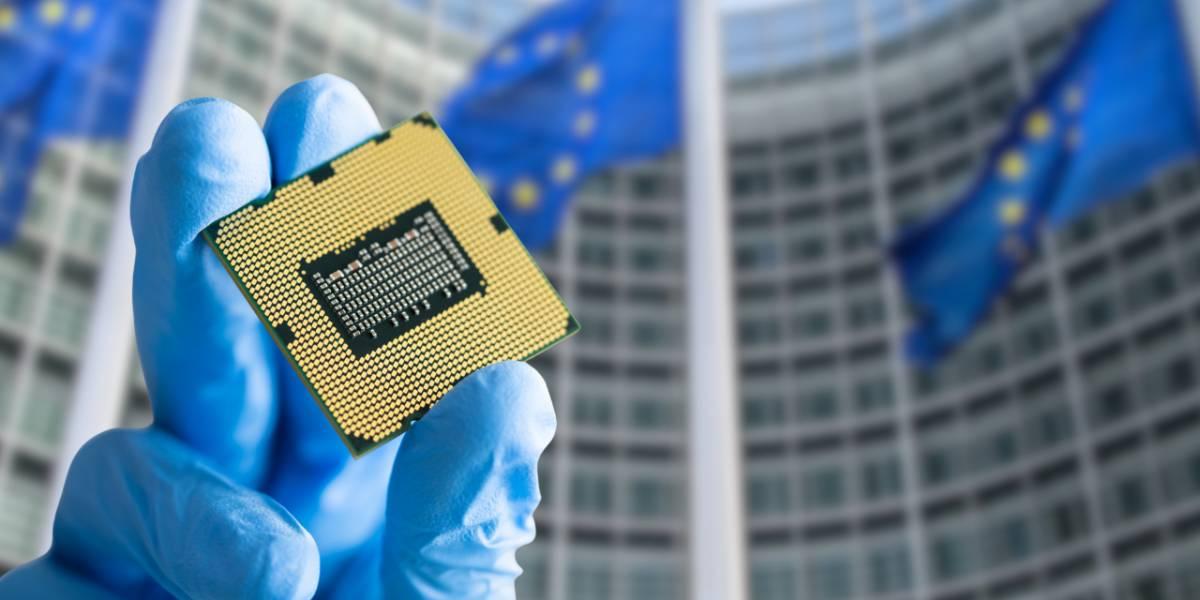
The Ministry for Digital Transformation and Public Administration has launched a consultation process to gather opinions on the proposed European Chips 2.0 Law presented by the European Commission. The consultation, which will remain open until August 3, is aimed at citizens, organizations, and associations who wish to contribute their views on this regulatory update.
This initiative is part of the European Union's Digital Sovereignty Package, announced on June 3, and aims to strengthen the continent's position in the advanced semiconductor market . The proposal seeks to address weaknesses identified in the first Chip Act, passed in 2023, and adapt the European strategy to a constantly evolving geopolitical and technological landscape.

Public consultation on the Chips Act 2.0
The new version of the law addresses two fundamental problems highlighted in strategic reports such as the European Digital Competitiveness Report and the evaluation of the Chips Act 1.0. Firstly, the European Union remains dependent on third countries in key areas such as semiconductor design and manufacturing , while other major players like China are circumventing technological barriers to lead in AI. Secondly, production capacity within the EU is limited and highly concentrated geographically, hindering preparedness for potential supply crises.
To address these challenges, the European Chips Act 2.0 places greater emphasis on measures to stimulate demand for chips among Member States, complementing the previous approach that focused primarily on supply. The draft text includes actions aimed at boosting production and industrialization, strengthening research and innovation, ensuring security of supply, and increasing the resilience of the semiconductor value chain in the European Union.
Results of the first Chip Law

The evaluation of the original Chips Act shows a positive balance in terms of resource mobilization and the development of the European ecosystem. According to data released by the Ministry, the first Chips Act has helped mobilize more than €52.000 billion in public and private investment across the continent, complementing other efforts such as Intel's investment in its Irish plant . Furthermore, it has generated approximately 46.000 direct and indirect jobs and strengthened Europe's capacity for research and innovation applied to semiconductors.
These figures reflect the impact of regulations that, for the first time, coordinated member countries' efforts to reduce the vulnerability of the global supply chain and lay the foundations for a more self-sufficient industry. However, strategic analyses have highlighted the need to go further and address the persistent imbalances in the design and production of advanced chips.
Spain's participation in the semiconductor ecosystem
Spain has played a significant role in the implementation of the first European Chip Law through its involvement in strategic projects and investments made by the Spanish Society for Technological Transformation (SETT). Among the most notable actions is its participation in European pilot projects for integrated photonics and quantum chips , promoted within the framework of the Chips Joint Undertaking, while quantum computing accelerates its development in Spain.
Furthermore, SETT has invested in key initiatives for the sector, such as the future Microelectronics Development and Innovation Center to be managed by IMEC in Malaga , the expansion of Diamond Foundry's operations in Spain to manufacture microchip components, and its acquisition of stakes in the Spanish microelectronics company Openchip, as well as in the photonics companies Sparc and Atypic. These transactions contribute to strengthening European industrial and technological capabilities and consolidate Spain's position as a key player in the semiconductor value chain.
With this consultation, the Government seeks to align Spain's position with the European Commission's objectives to strengthen the continent's technological autonomy. Citizen and business participation will be key to defining the direction of regulations that aim to make Europe a relevant player in the global semiconductor supply chain.

Table of Contents