
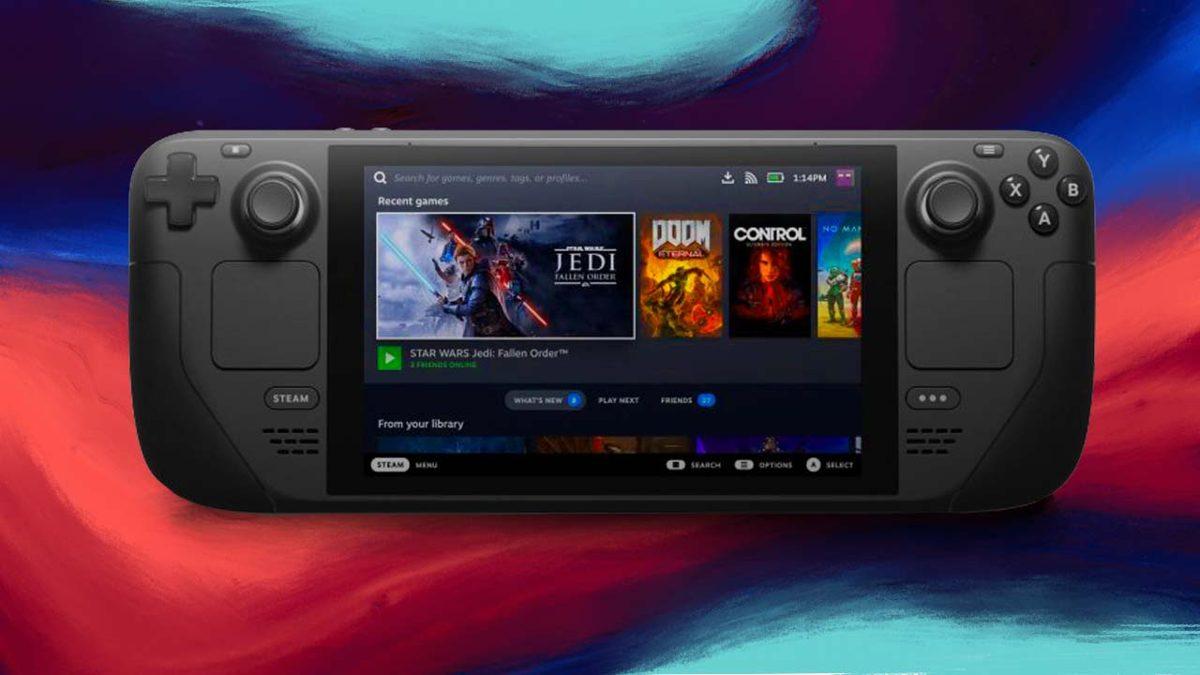
The tech industry has been mired in a deep crisis for months due to a shortage of RAM and other components, which has driven up prices for all kinds of hardware. Consoles, graphics cards, and laptops have all seen price increases, and the Steam Deck itself has been no exception. However, Valve has reassured users that its plans for the upcoming Steam Deck 2 remain unchanged.
The company has always been clear about its philosophy: they don't want to release a successor simply because faster components are available, but rather wait to achieve a significant advancement that justifies the generational leap. In a recent interview with IGN, developer Pierre-Loup Griffais reaffirmed this stance, making it clear that the price increase hasn't changed their objectives.

Valve sticks to its roadmap despite rising memory costs
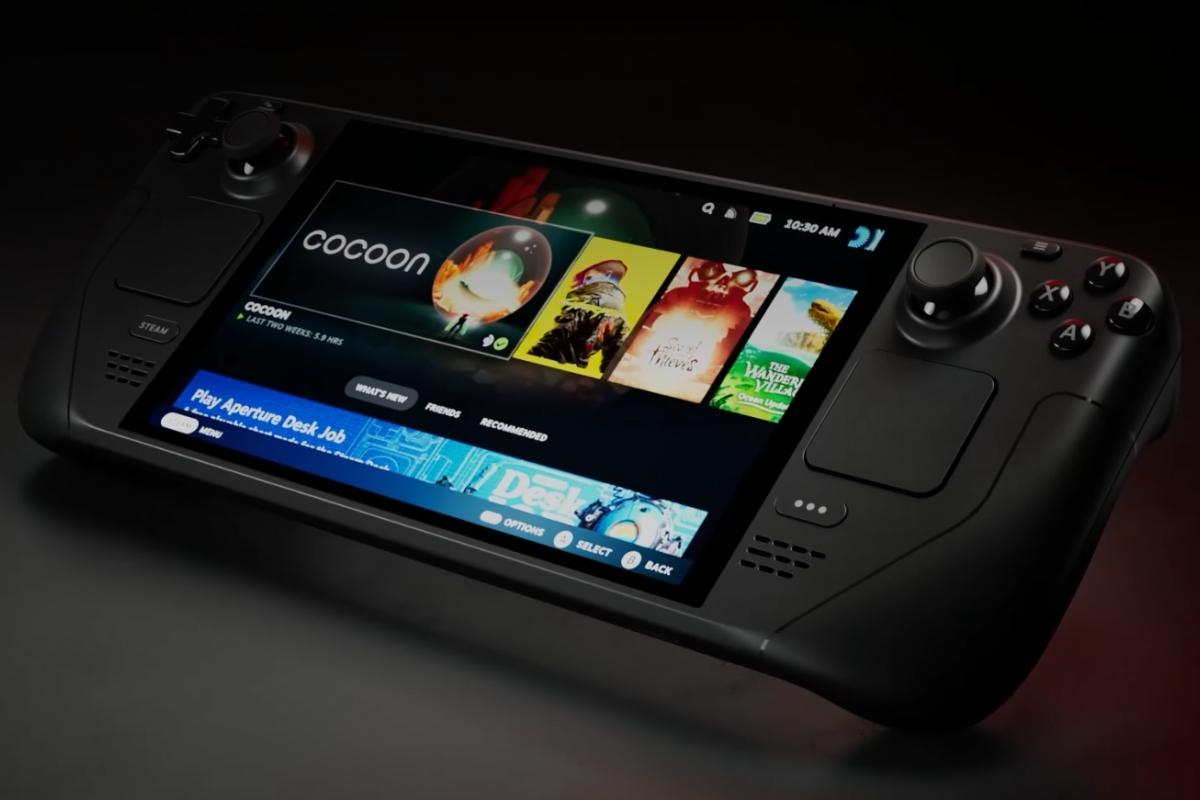
Griffais, accompanied by his colleague Jeff Leinbaugh, responded emphatically when asked if the RAM shortage had affected the development of Steam Deck 2. "Not really," he stated, noting that they had already discussed wanting a significant performance improvement for the next iteration. According to him, they still view the project in the same way and are now focused on "analyzing the current conditions and figuring out how and when we can deliver something like that."
The goal is for the new handheld to offer a significant generational leap, not just a simple hardware upgrade. Valve wants to maintain the balance between performance, efficiency, and price that made the original Steam Deck so appealing. The company is prepared to wait as long as necessary, and the high cost of memory has only reinforced that patience.

The crisis has increased the price of the current Steam Deck, but it doesn't affect the future.

Meanwhile, the current Steam Deck has indeed suffered the consequences of the memory crisis. The 512GB OLED model has gone from $549 to $789, and the 1TB version has risen from $649 to $949 . Even the base model has seen a price increase, leading to a drop in demand. In Europe, the price hike has also been noticeable, with the 512GB model reaching €779.
Valve has already passed on increased costs to consumers for other products, such as the Steam Machine, Valve's console-like PC , which launched at a higher-than-expected price. However, for Steam Deck 2, the company seems determined to find the right moment. There's no official date or confirmed specifications, but rumors pointed to a possible 2028 release. Griffais hasn't offered any hints, but his message is clear: the RAM crisis isn't going to change their approach.
The successor to the Steam Deck is still in development, but Valve isn't in a rush. The company prefers to wait until market conditions allow them to offer a product with a real performance boost at a reasonable price. In the meantime, players will have to make do with the current Steam Deck, which remains a great option despite its recent price increases. However, all signs point to the wait being worthwhile when it finally arrives.
