
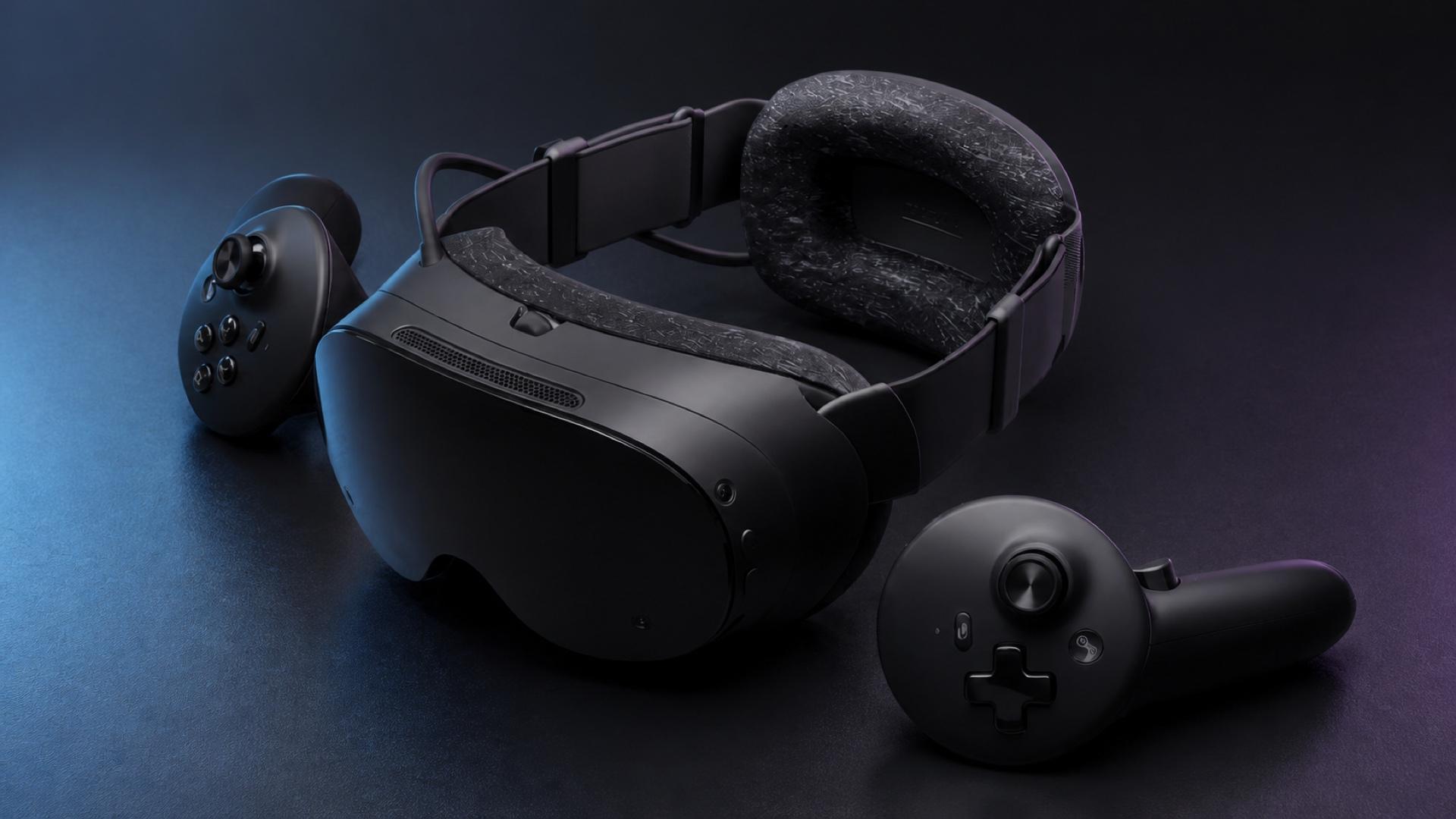
Valve announced its new generation of PC hardware in November 2025, consisting of the Steam Machine, the Steam Controller, and the Steam Frame . Only the controller has reached the market to date, while the console and the virtual reality headset have been delayed. The company claims that the increased cost of RAM and storage components, driven by high demand from data centers for artificial intelligence, is the main reason for this delay. Although the Steam Machine has been on sale for several weeks, its initial price exceeds €1.000, a considerably higher figure than expected.
The situation is similar with the Steam Frame , which is scheduled for release this summer in the Northern Hemisphere. Valve's latest moves indicate that everything is being finalized: unboxing and setup videos have been leaked, and the VR game compatibility system has already validated a good number of titles. Developers are starting to connect the dots regarding the release date, and everything points to a launch very soon.

Design philosophy and specifications
Valve hasn't followed the path of traditional standalone headsets like the Meta Quest. Instead of opting for an all-in-one approach, the Steam Frame is presented as a device geared towards both streaming and local execution . It can play games independently using its ARM hardware and Arch Linux-based system, or connect to a PC via a 6 GHz wireless adapter that supports dual Wi-Fi 7 and Wi-Fi 6E. This ensures low latency and interference-free transmission. The company has explained that the headset employs foveated streaming, rendering only the area the player is looking at , thus optimizing bandwidth by more than ten times without sacrificing visual quality.
Inside, the device features a Qualcomm Snapdragon 8 Gen 3 processor and two LCD screens with 2160x2160 pixels per eye. To enable it to work with PC games, Valve integrated software layers like Proton and FEX-Emu, which allow Windows titles to run on the Linux operating system via Steam . They also adapted Waydroid to function like the Android-based Lepton layer, which allows the execution of .apk applications and games designed for other headsets. This results in a vast library of compatible titles, allowing studios to leverage Valve's technology to access their entire catalog.

Compatibility and play at a glance
The Steam Frame will have a verification system similar to Steam Deck's to ensure which titles work natively and which are better suited for streaming. The company has already confirmed an initial list of over fifty VR games that are perfect for the headset, including Red Matter, the I Expect You to Die trilogy, Arizona Sunshine 2, and many others. These native versions can be played directly on the headset, without needing to be streamed from a PC.
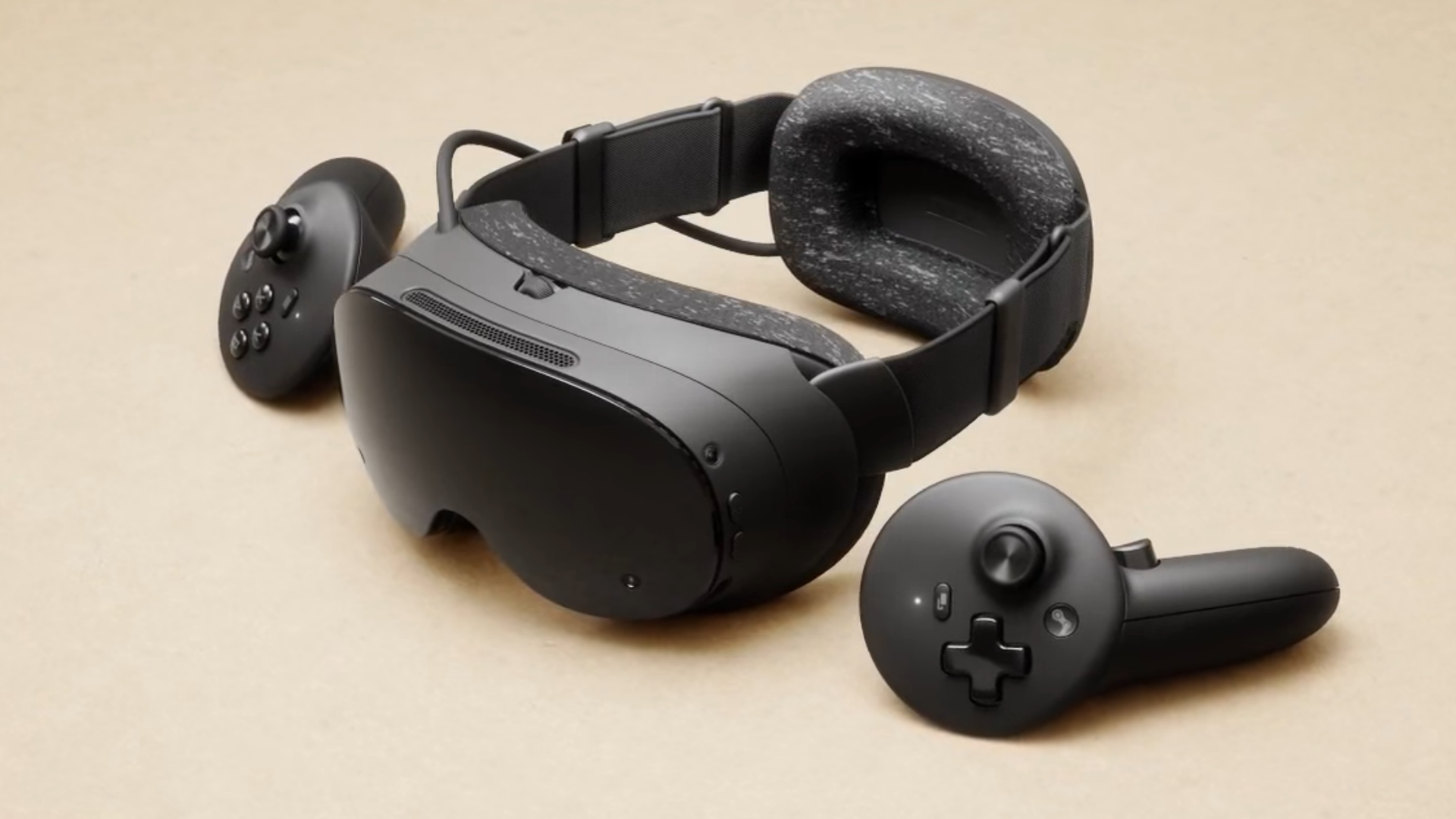
As for the controls, Valve has unveiled two hybrid controllers, designed to be split into two halves and used like a classic gamepad. They incorporate six-degrees-of-freedom positional tracking sensors and capacitive fingertips, but can be detached to use only the left and right halves, depending on the game. The new magnetic Hall-effect analog sticks are designed to avoid the wear and tear problem that affects many current controllers.
Launch status
Initial reports suggested the headset would be released in the summer of 2026. While Valve hasn't confirmed the exact date, the recent leak of eight official videos in the Steam client update for ARM has led many fans to believe the launch is imminent. The clips showed the unboxing, proper visor placement, interpupillary distance adjustment, and the process of connecting it to the network. The ergonomic accessory kit, which includes hand straps and a light blocker for the nose, was also shown.
Furthermore, Gunman Contracts developer ANB_Seth stated that his shooter will be available on the same day as Steam Frame, suggesting that the headset's release is imminent. This statement has fueled speculation about an imminent announcement. The company has yet to comment, but the presence of these tutorials suggests that final preparations are underway.
The question of price
The price of the Steam Frame remains a mystery. In March, it was rumored to be around $1.500, a very high figure for Valve. The RAM and storage shortage has continued to worsen, and the cost of components like the Snapdragon Gen3 has contributed to this. Unlike other manufacturers, Valve doesn't usually sell at a loss to expand its market, which will likely result in the headset being priced higher than its rivals. According to some sources, it could even be more expensive than the Steam Machine, which launched at $1.049 in the US and sold for £879 in the UK.

Beyond the viewer itself
Steam Frame integrates seamlessly with the Valve ecosystem and offers a game catalog ranging from the new version of Gunman Contracts to classic titles, in addition to being compatible with the SteamVR standard. Games that aren't Frame Verified can still be streamed from a Steam Machine or compatible PC, so they aren't left out. All of this makes for an attractive platform for many users who want a high-quality virtual reality experience without sacrificing access to more traditional titles.
Although Valve hasn't confirmed a release date or price, the trickle of information and leaks indicates that the headset is much closer than it seems. The company itself has been gradually revealing all the pieces of the puzzle: the controller is already on sale, the home console is already available, and now it's the headset's turn. Gamers who have been waiting years for a refresh of the Valve Index line can rest assured that this new era is about to begin.