
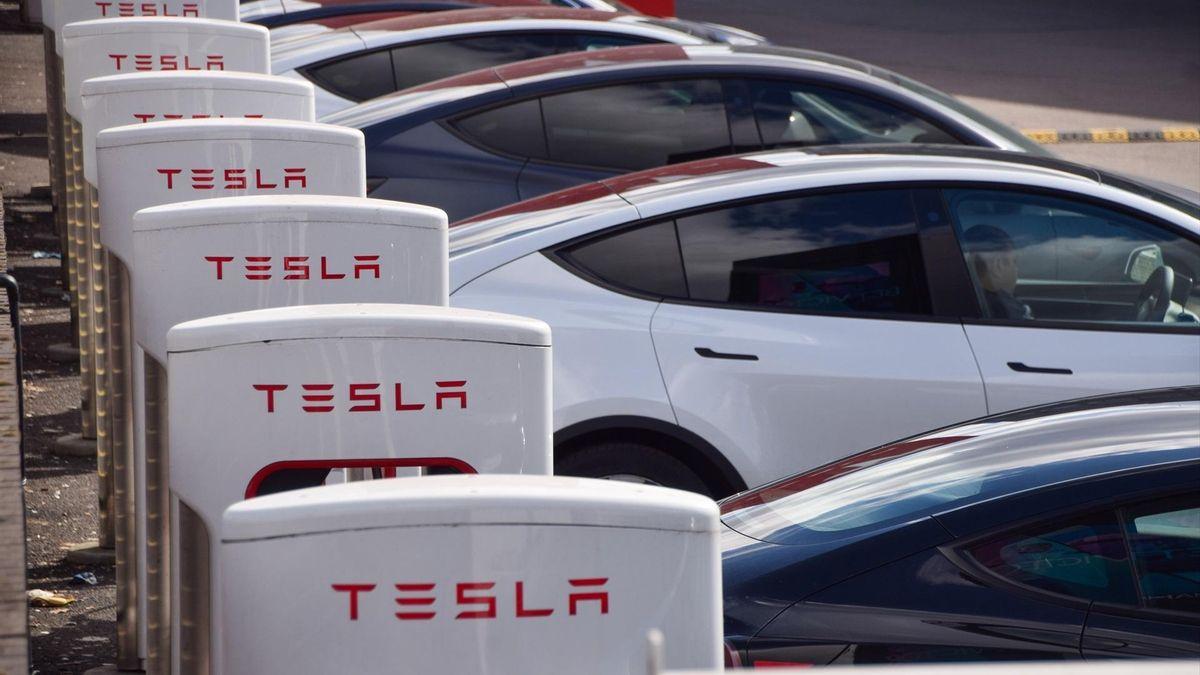
The rollout of Tesla's self-driving software in Europe has not been smooth sailing. The European Transport Safety Council has asked member states to halt the validation of a Full Self-Driving (FSD) feature that allows the car to exceed speed limits. This decision comes just as the American company is trying to expand its technology across the continent.
The controversy centers on a setting that can increase the top speed by up to 50% above the limit the vehicle has identified. According to the organization, Tesla has not requested an exemption from the United Nations Economic Commission for Europe's regulations that would authorize this behavior. The ETSC also wants to see another feature rejected that synchronizes the car's speed with surrounding traffic.
Pressure on European authorization
The controversy adds fuel to the fire surrounding the FSD approval process in the European Union. The vote scheduled for October has been postponed and, barring any unforeseen circumstances, will not take place before December. The system can manage steering and speed and complete many driving tasks, although it requires the driver to remain attentive and ready to intervene.
Tesla maintains that this technology helps reduce accidents, and its CEO, Elon Musk, has even stated that delaying its approval will cost lives . Regulators, however, are not entirely convinced and are scrutinizing both the technical specifications and actual compliance with traffic regulations.
Tests in Belgium and Tesla's response
The doubts are not merely theoretical. In July, the Belgian organization Johanna.be, focused on pedestrian and cyclist safety, conducted tests over three days and approximately 400 kilometers. They detected repeated violations of the 20 and 30 km/h speed limits on urban roads. On 30 km/h sections near Brussels, the vehicle traveled at an average speed of 44 km/h.
The report also notes that, although the screen recognized 30 km/h speed limit signs, the system often displayed a 50 km/h limit. Johanna.be documented attempts to overtake cyclists on streets where this maneuver is prohibited. The report was sent to the authorities in Belgium and the Netherlands.
It wasn't all bad news during those tests. The organization observed positive behaviors, such as proactively yielding to pedestrians and cyclists. However, it believes that these actions don't compensate for speeding or violations in bike lanes.
In early September, Tesla published a study arguing that its cars with Full Speed Drive (FSD) respect speed limits and adapt their driving to traffic. The Dutch regulator RDW has indicated that it will consider the Johanna.be report in its oversight activities, but emphasizes that the conclusions require evaluating all the information and its context.
Divided countries and community calendar
The situation reveals a divided Europe. The Netherlands, whose regulator RDW approved FSD in April, is pushing for its rollout across the EU. Belgium, Slovenia, and Croatia have also authorized the technology. On the other hand, Sweden, France, and the Czech Republic have expressed reservations about its ability to meet traffic regulations.

Tesla has announced approval for supervised FSD in Croatia, where it plans to begin its rollout soon. The Dutch authorization includes exemptions from certain UNECE rules, but the ETSC maintains that these exemptions do not cover the disputed speed adjustment function.
The European process requires a qualified majority of at least 15 of the 27 member states, representing 65% of the EU population. The vote, initially expected in October, has been postponed, and the next opportunity is not expected until December.
The delay is a setback for Tesla, which sees the European launch of FSD as a key component of its business strategy in the face of growing competition from Chinese electric vehicle manufacturers. The regulators' decision will have to balance the potential of automated driving assistance with road safety requirements and regulatory compliance.
The story, therefore, remains unresolved: Brussels has on its table a technology that promises advances in driver assistance, but also a regulatory battle over speed limits, Belgian trials, and reservations from several countries. The future of FSD in Europe will depend on how these pieces fit together and whether Tesla can convince member states that its system does not compromise road safety.