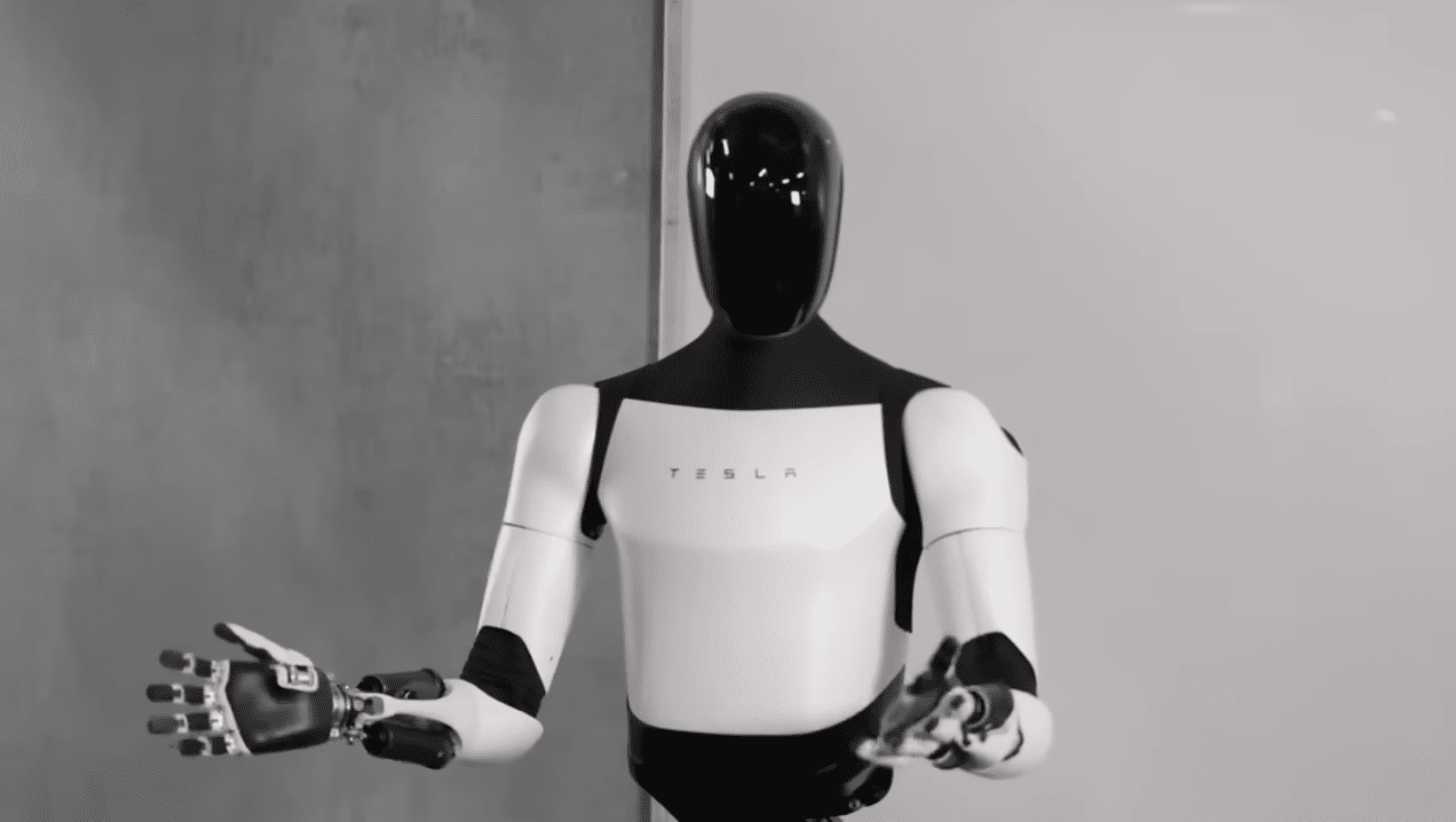
The announcement that Tesla will cease production of the Model S and Model X to redirect its resources toward humanoid robotics has marked a true turning point in Elon Musk's company's strategy. The two models that brought the brand worldwide fame as the benchmark for premium electric cars are now giving way to Optimus, the humanoid robot with which Tesla aims to lead the way in so-called "physical AI."
This move, which comes amid declining profits, competitive pressure, and shifting demand for electric vehicles, redefines Tesla's nature: from a car manufacturer to a technology company focused on artificial intelligence, automation, and autonomous vehicles. It's a significant shift, and its impact on the market and the future evolution of mobility is being closely watched in Europe and Spain.
Goodbye to the Model S and X: the end of an era at Tesla
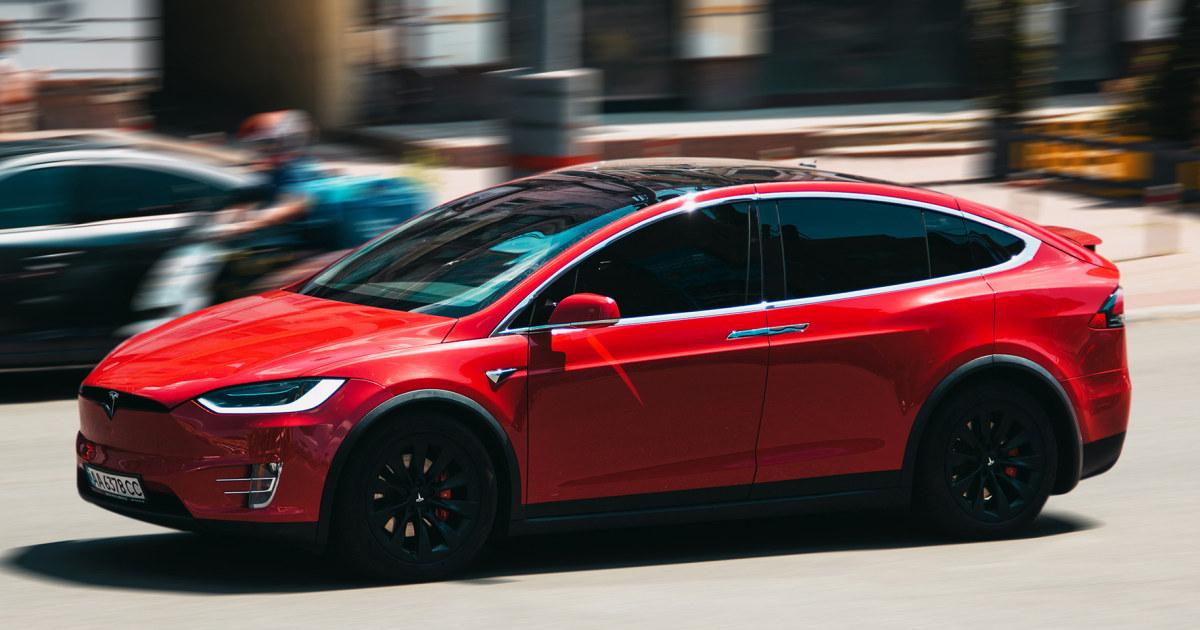
Elon Musk himself confirmed that production of the Model S and Model X will be drastically reduced during the next quarter until it stops completely. Those who want to get their hands on one of these high-end sedans or SUVs should act quickly, because Tesla doesn't plan to keep them in production in the medium term, although it has promised to continue offering support and service to owners as long as they keep their vehicles.
The Model S (launched in 2012) and Model X (2015) were responsible for demonstrating that an electric car could be fast, technologically advanced, and desirable, and they helped to transform electric vehicles from something exotic into something more mainstream. However, over the years they have been relegated to a more marginal role compared to the Model 3 and Model Y , which are considerably more affordable and sell much better worldwide, including in Europe.
In markets like Spain, where price remains a significant barrier to electric vehicle adoption, these luxury models, with prices around or exceeding $95.000-$100.000 (and equivalent amounts in euros including taxes), only fit into very specific niches. Tesla's main focus has long been on the mid-range and high-end segments, but not ultra-luxury, and the company has decided to eliminate two products that offered prestige but little sales traction.
Production had already shown signs of slowing down. In recent years, the number of Model S and Model X units manufactured and delivered was significantly lower than that of their more affordable counterparts, in a context where production costs and the demands of investing in new technologies were increasingly squeezing profit margins.
The Fremont factory is transformed: from luxury cars to Optimus robots
The heart of the change lies at the Fremont, California plant , one of the company's most iconic facilities. Tesla has announced that the Model S and X assembly lines will be dismantled to convert the factory into a center dedicated almost exclusively to the large-scale production of Optimus humanoid robots.
Optimus is Musk's flagship robotics project. The company has already showcased prototypes and internal demonstrations, but the plan now is to move to mass industrial production , with the aim of having these robots work in industrial environments and, in the long term, in logistics, services, or even domestic use . The Fremont factory will effectively become the real-world laboratory where this ambition is put to the test.
According to Musk, the coming months will be key because a new iteration, popularly known as "Optimus 3," is expected to be unveiled . This model aims to stand out for its learning capabilities: the idea is that it can acquire skills by watching videos or demonstrations , relying on the same computer vision and neural network advancements that Tesla uses for autonomous driving.
This move falls under what the CEO himself and some in the industry call "physical AI" : artificial intelligence applied to the real world, beyond chatbots or on-screen software. It is, in theory, the next step after vehicle automation, and it positions Tesla as a key player in the race for humanoid robots, an area where companies from the United States, Asia, and Europe are investing ever-increasing amounts.
From car manufacturer to AI and robotaxis company
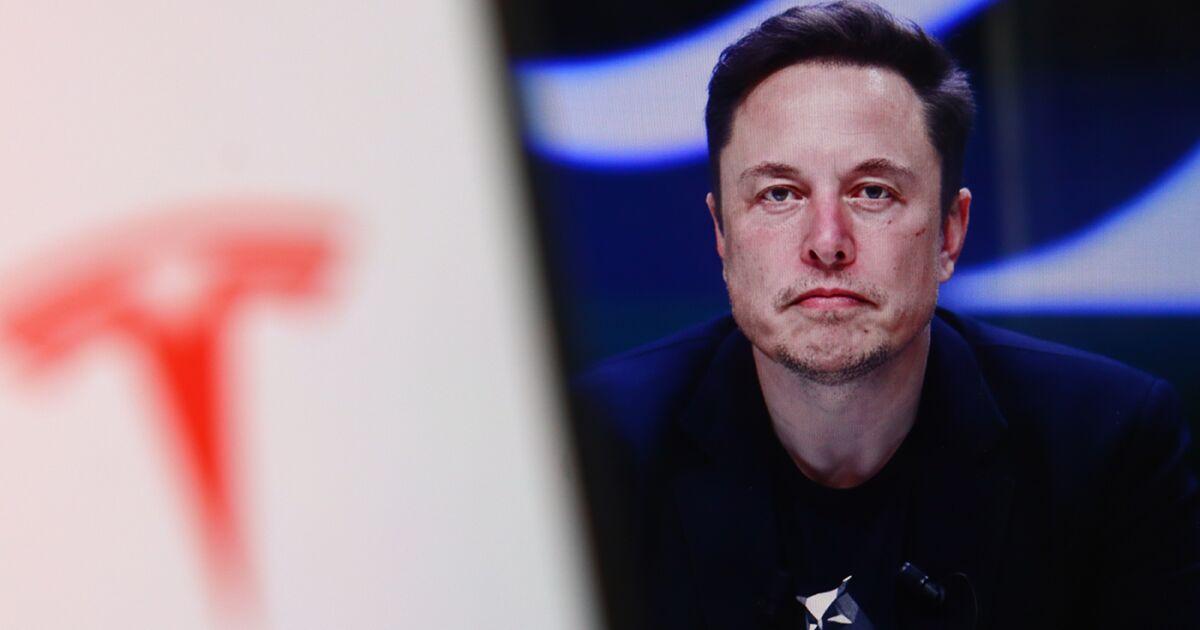
The shift in focus isn't limited to humanoid robots . Tesla has long argued that its true value lies in autonomous driving software, robotaxis, and AI , rather than simply selling cars. The announcement of the Model S and X's discontinuation came during the same call with analysts in which Musk insisted that the company's future lies in fully autonomous vehicles and fleets of driverless robotaxis.
In the United States, Tesla has already begun testing robotaxi services in cities like Austin and plans to expand to other key metropolitan areas. Musk's idea is that these services will be based on the same technological platform that powers Optimus: AI algorithms, advanced perception systems, and data centers designed to process massive volumes of information in real time.
In Europe, the expansion of these types of services will almost certainly be slower due to much stricter regulations regarding security and data protection . However, Tesla's move is also putting pressure on European authorities and traditional manufacturers on the continent, who are already working on their own advanced automation and shared mobility projects.
Musk has been clear in his messages to investors: “very, very large investments” in capital are being made to support this entire transition. The stated goal is to build a company where the bulk of the value comes from applied AI and recurring services, rather than from simply selling vehicles, a more cyclical business model dependent on the economic climate.
Million-dollar investment in xAI and Grok's role
One of the cornerstones of this shift is the close relationship between Tesla and xAI , the artificial intelligence company also founded by Elon Musk. Despite some shareholders expressing reservations and even non-bindingly rejecting certain proposals, Tesla has announced an investment of approximately $2.000 billion in xAI , accompanied by a framework agreement to coordinate joint projects.
This agreement opens the door for xAI's technology to be more deeply integrated into Tesla vehicles, robots, and services . One example already visible is the Grok chatbot , which the company has begun incorporating into some cars as an advanced assistant, capable of answering questions, assisting with navigation, and managing vehicle functions using natural language.
In addition, Tesla supplies xAI with Megapack batteries to power its data centers , strengthening the collaboration between the two companies. The plan involves using the same infrastructure to train AI models that will later be applied to the Optimus robot, autonomous driving, and other automation projects that the company may launch in the coming years.
For Musk, it all fits within his so-called Master Plan, which aims to take artificial intelligence beyond the screen and into the real world. In this sense, integration with xAI is key to giving both cars and humanoid robots a "brain," something that, if successful, could have a global impact, including on Tesla's European plants and the rollout of its products in the European Union.
A challenging year: declining sales and competitive pressure
The shift towards AI and robotics comes after a challenging financial period. In its last fiscal year, Tesla reported a nearly 3% year-over-year decline in revenue and an even steeper drop in profits. Operating margins shrank, and net profit was cut almost in half , reflecting cost pressures, price reductions, and significant investments.
In terms of global deliveries, the company hovered around 1,63-1,64 million vehicles , a decline compared to previous years. Although it remains one of the world's largest electric vehicle manufacturers, it is no longer growing at the rate many investors had anticipated, while rivals like BYD and other Chinese manufacturers are rapidly increasing their presence in international markets, including Europe.
In the United States, sales have fallen by around 7% in some recent periods, and the company has had to resort to price cuts on models like the Model S and Model X to try to revive demand. At the same time, it has faced criticism for political issues related to Musk, in addition to the impact of delays and problems associated with projects like the Cybertruck.
This combination of factors has fueled the perception that Tesla was experiencing a stagnation in its electric vehicle lineup , particularly in the higher-priced segments. Therefore, the decision to discontinue the Model S and X, while striking, aligns with a strategy of prioritizing products and services with greater long-term growth potential.
How Tesla's pivot fits into Europe and the Spanish market
From a European perspective, Tesla's new direction raises several questions. On the one hand, the brand will continue to be a benchmark in the electric car market thanks to the strength of the Model 3 and Model Y, which are the ones that truly compete in terms of volume with offerings from German, French, Korean, and Chinese manufacturers in Europe.
On the other hand, the focus on humanoid robotics and AI services opens the door for Tesla to engage with Europe more as a technology provider than simply as a car manufacturer. The EU, which has already approved a specific regulatory framework for artificial intelligence, will have to address products like Optimus and robotaxis from the dual perspectives of innovation and safety.
In countries like Spain, where the electrification of the vehicle fleet is progressing, albeit somewhat slowly, the immediate impact of discontinuing the Model S and Model X will be limited, as both models played a negligible role in terms of new car registrations. The truly significant factor will be whether Tesla transfers some of its investment in AI and automation to the factories and centers it may have or open in Europe.
Furthermore, this move could accelerate decisions by other manufacturers on the continent, many of whom are already involved in autonomous driving and advanced industrial robot projects, to strengthen their AI and robotics departments . The goal will be to avoid falling behind Tesla, which, despite facing challenges, continues to set the pace in some of the key debates about the future of mobility and automation.
Overall, the shift from focusing less on luxury cars and more on humanoid robotics and artificial intelligence reflects how Tesla is trying to reinvent itself before the market pigeonholes it as just another car manufacturer. The discontinuation of the Model S and X leaves a symbolic void, but in return, the company is aiming to become a major player in the next big technological battle: bringing AI from the digital world to the physical world, with implications that will extend far beyond the automotive sector in the United States, Europe, and the rest of the world.
Table of Contents
- 1 Goodbye to the Model S and X: the end of an era at Tesla
- 2 The Fremont factory is transformed: from luxury cars to Optimus robots
- 3 From car manufacturer to AI and robotaxis company
- 4 Million-dollar investment in xAI and Grok's role
- 5 A challenging year: declining sales and competitive pressure
- 6 How Tesla's pivot fits into Europe and the Spanish market