
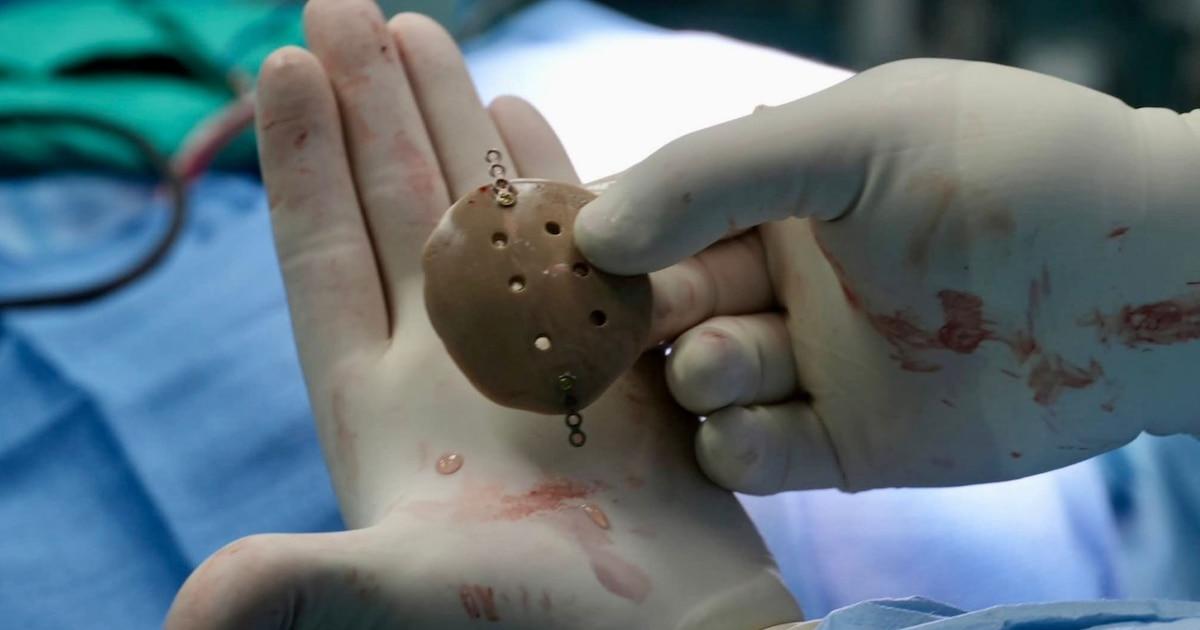
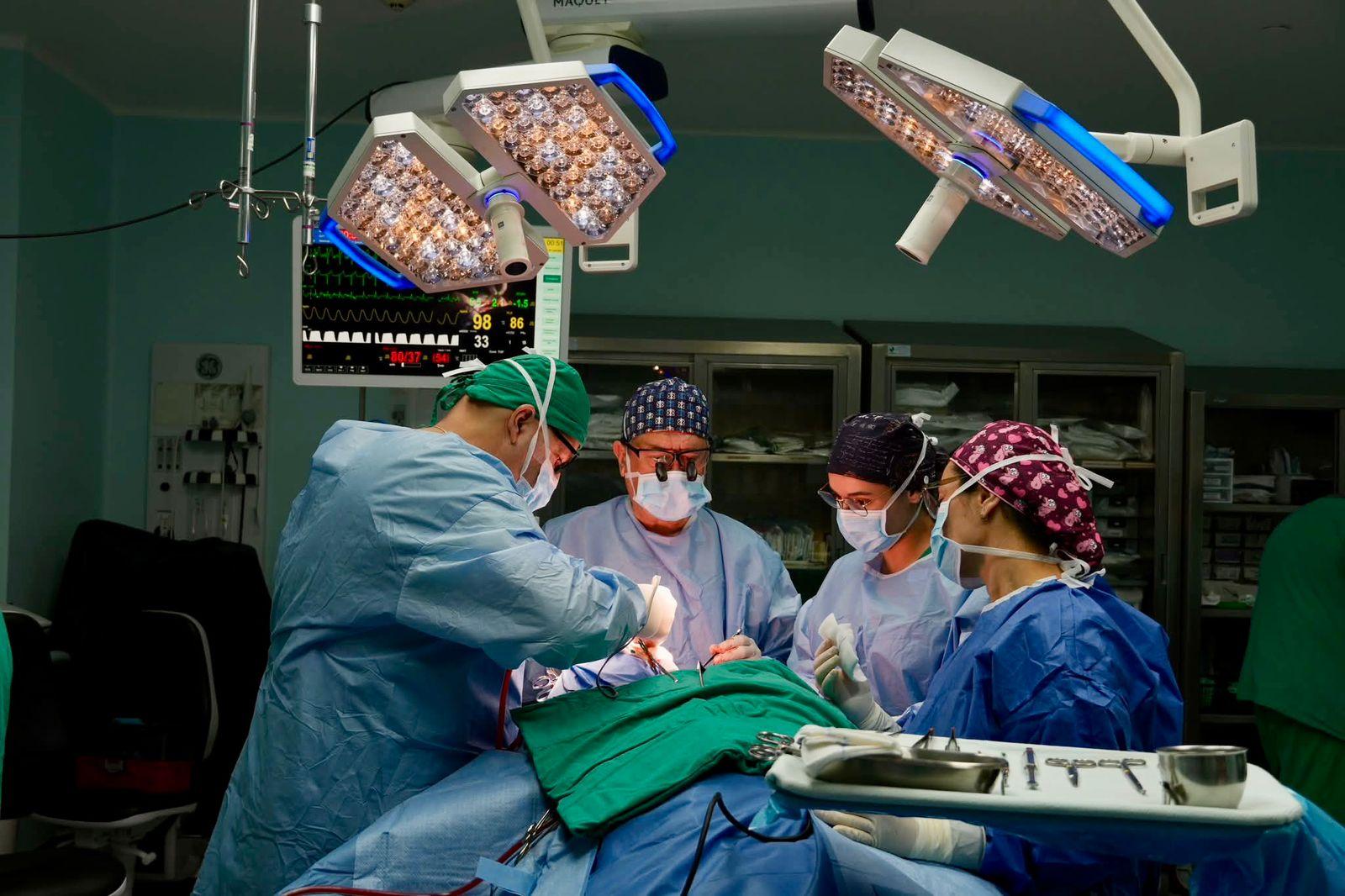
The Costa Rican Social Security System (CCSS) has taken a historic step by implanting, for the first time, a personalized cranial prosthesis in a patient. The prosthesis was designed and manufactured entirely by the institution itself using 3D printing technology. The procedure, a cranioplasty, was performed at San Juan de Dios Hospital and represents a milestone in the Costa Rican social security system's ability to produce highly specialized medical devices without relying on external suppliers.
The device was custom-made, based on a computed tomography (CT) scan of the patient, which allowed for the digital reconstruction of the damaged area of the skull and the design of a piece that fits the bone defect perfectly. This personalized approach not only improves aesthetics and brain protection, but also significantly reduces waiting times and the costs associated with this type of surgery.
A breakthrough that combines technology and healthcare
The development of these prostheses is led by the Logistics Management of the Costa Rican Social Security System (CCSS), through the Orthotics and Prosthetics Laboratory of the Industrial Production Directorate. The process begins with obtaining medical images, such as CT scans or MRIs, which are then entered into specialized software to segment the skull and precisely locate the defect. Next, a mirror image of the healthy portion is used as a reference to design the prosthesis, ensuring symmetry and a proper fit with the bone's edges.
The material chosen for manufacturing is PEEK, a high-performance thermoplastic polymer that stands out for its mechanical, thermal, and chemical resistance. Unlike metallic prostheses, PEEK is radiolucent, meaning it does not interfere with subsequent diagnostic studies such as CT scans or MRIs. Furthermore, its low weight and dimensional stability make it an ideal choice for this type of device.
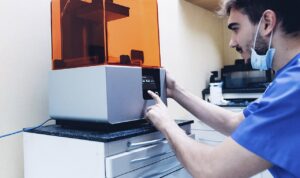
Once printed, the prosthesis undergoes a rigorous finishing process that includes sanding, polishing, and cleaning. It is then packaged and transported to the hospital, where the surgeon reviews it again before proceeding with sterilization and implantation. The entire process, from imaging to the final piece, is completed in approximately seven days—a record time compared to the months typically required for outsourced manufacturing.
Cost reduction and increased surgical capacity
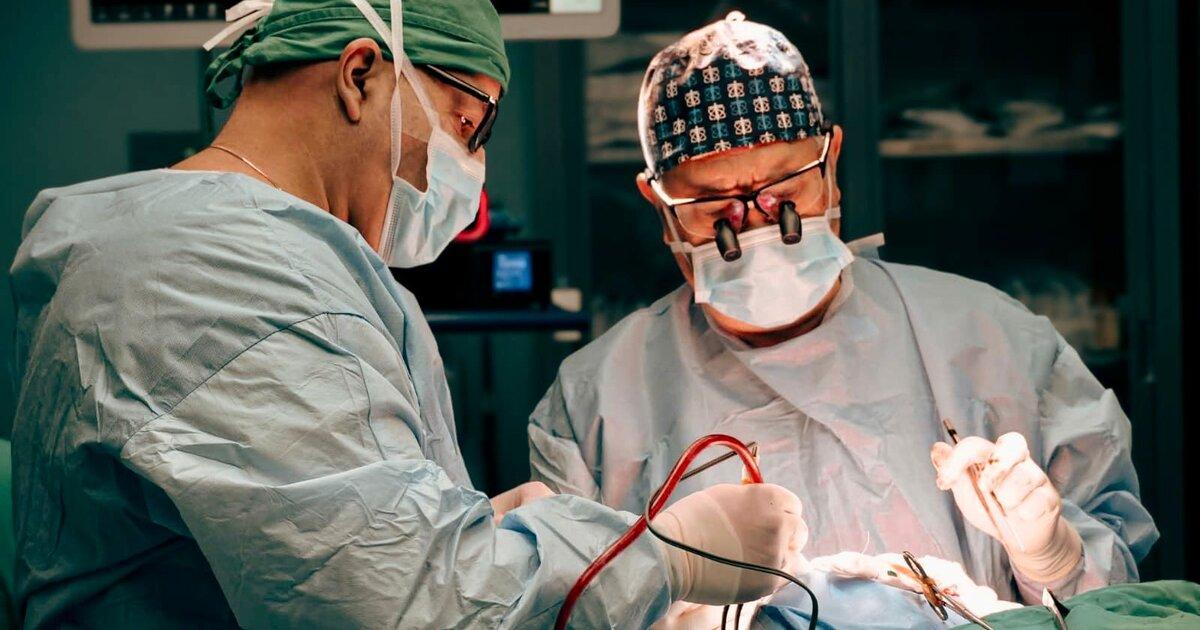
One of the most significant aspects of this initiative is the cost savings it represents for the institution. According to CCSS estimates, producing a size S cranial prosthesis in-house, like the one implanted in this first case, costs approximately 1.167.598 colones (about $2.554), representing a reduction of up to 64% compared to acquiring a similar device through an external contract. These savings vary depending on the size of the prosthesis, with larger pieces offering greater savings.
The initial investment to launch this technological capability was 115.471.400 colones (approximately US$252.000), allocated to the purchase of two 3D printers (one resin and one industrial filament printer), a thermal curing oven, a washing and curing station, an ultrasonic bath, a scanner, specialized software, and raw materials for two years. This investment not only allows for the manufacture of cranial prostheses but also opens the door to other developments, such as 3D printing of splints , surgical planning guides, anatomical models for patient education, pill organizers, tablet extractors, umbilical cord clamps, and spare parts for industrial equipment.

The Logistics Manager of the Costa Rican Social Security System (CCSS), Esteban Vega de la O, explained that the project began approximately two years ago with staff training and the preparation of a cleanroom for the production of these devices. “We have been promoting additive manufacturing technologies to institutionally produce cranial prostheses using 3D printing with biocompatible materials, with the goal of providing highly specialized, high-quality devices to the patients who need them,” Vega stated.
Clinical benefits and projections for 2026
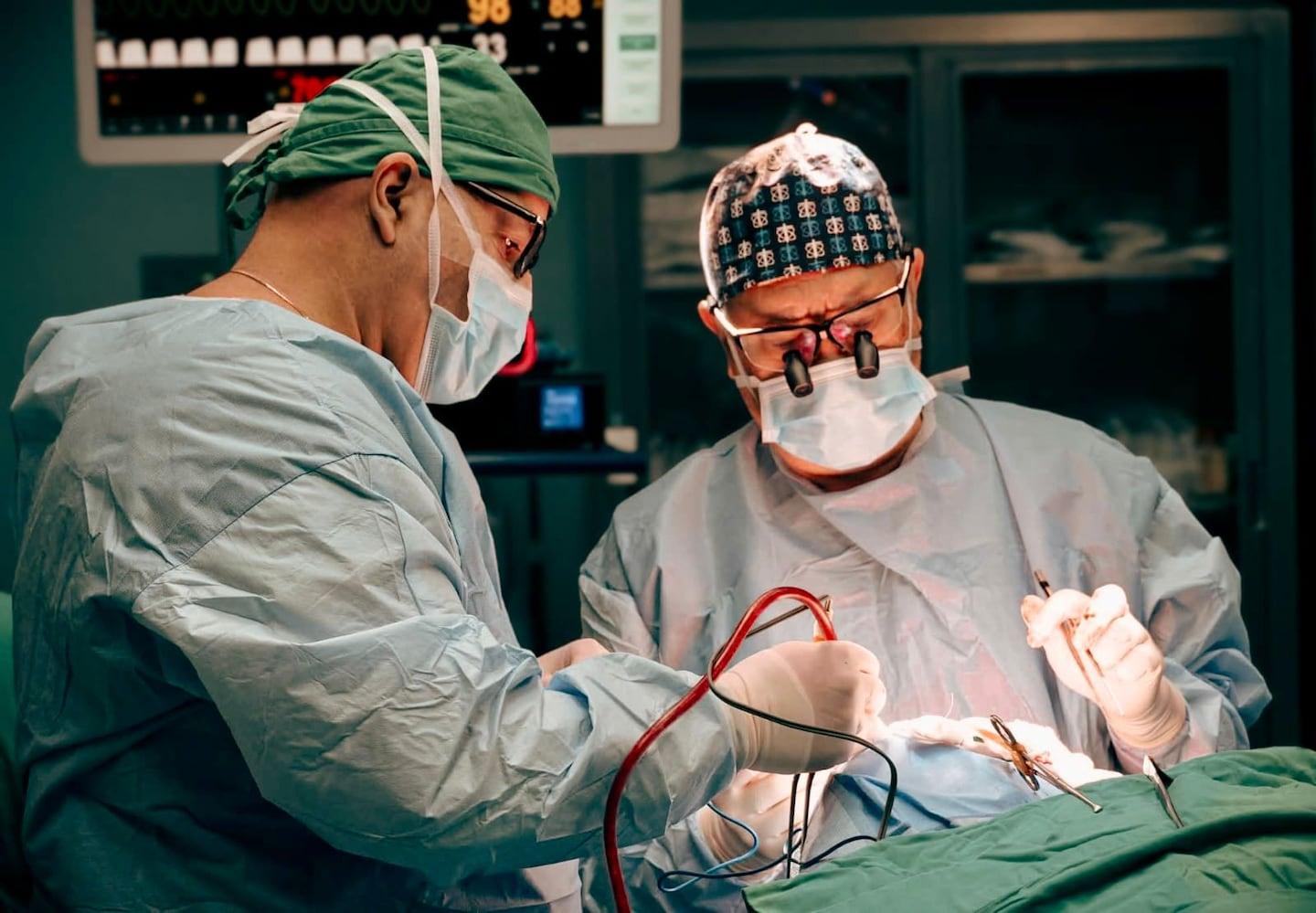
The head of the Neurosurgery Department at San Juan de Dios Hospital, Jorge Badilla Corrales, highlighted that the personalized prosthesis offers three key benefits. First, it improves the aesthetics of the skull, which contributes to the patient's emotional recovery after a traumatic event. Second, it helps reduce headaches and dizziness associated with lower intracranial pressure. And third, it protects the brain from potential external blows in the area where there is no longer bone coverage.
Candidates for this type of procedure are patients with cranial depressions or defects resulting from trauma, tumors, or infections. The medical director of San Juan de Dios Hospital, María Eugenia Villalta Bonilla, emphasized the importance of coordination between medical teams and manufacturing departments: “In this particular case, since these are custom-made prostheses, the bone contour is improved, and therefore, so is the user's quality of life.”

Looking ahead to the second half of 2026, the Costa Rican Social Security System (CCSS) projects treating 52 patients at the San Juan de Dios, México, and Monseñor Víctor Manuel Sanabria hospitals. This technology not only reduces costs and waiting times but also increases surgical capacity, going from operating on two patients per day to three or four, which represents a significant improvement in the institution's waiting lists.
A patient regains confidence
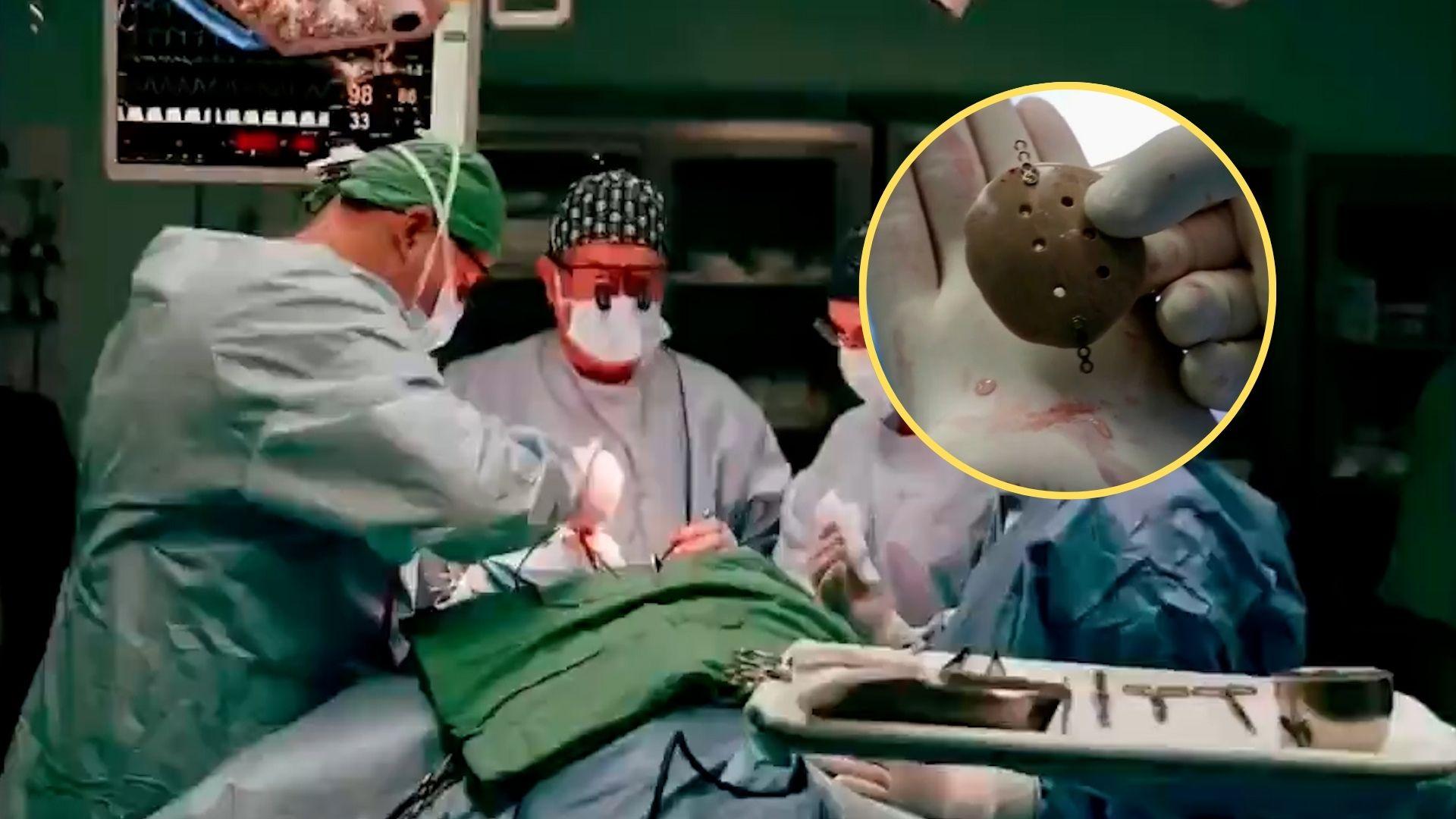
The first patient to undergo the procedure, whose identity is being kept confidential, shared his experience before the surgery: “With the prosthesis, I’ll have my skull protected again. It’s not the same walking around with an incomplete head, without protection, because any situation could put me at risk.” For him, the benefit is emotional, since the indentation in his skull caused him shame and insecurity, especially in situations like going to the beach or the pool. “No one can take away the mental trauma,” he confessed, but he hopes the surgery will allow him to regain his confidence and resume his normal life.
The CEO of the CCSS, Mónica Taylor Hernández, described the procedure as a concrete application of the institution's technological capabilities: “This advancement's greatest value lies in what it represents for the patient. We are using innovation and institutional knowledge to develop a personalized solution, specifically designed to address a health need.”
With this first implant, the Costa Rican Social Security System (CCSS) demonstrates that research and innovation can translate into direct benefits for patients, reducing costs, shortening waiting times, and improving the quality of life for those who need highly specialized medical devices. 3D printing is thus solidifying its position as a key tool in the future of healthcare in Costa Rica, with potential that extends far beyond cranial prostheses.