
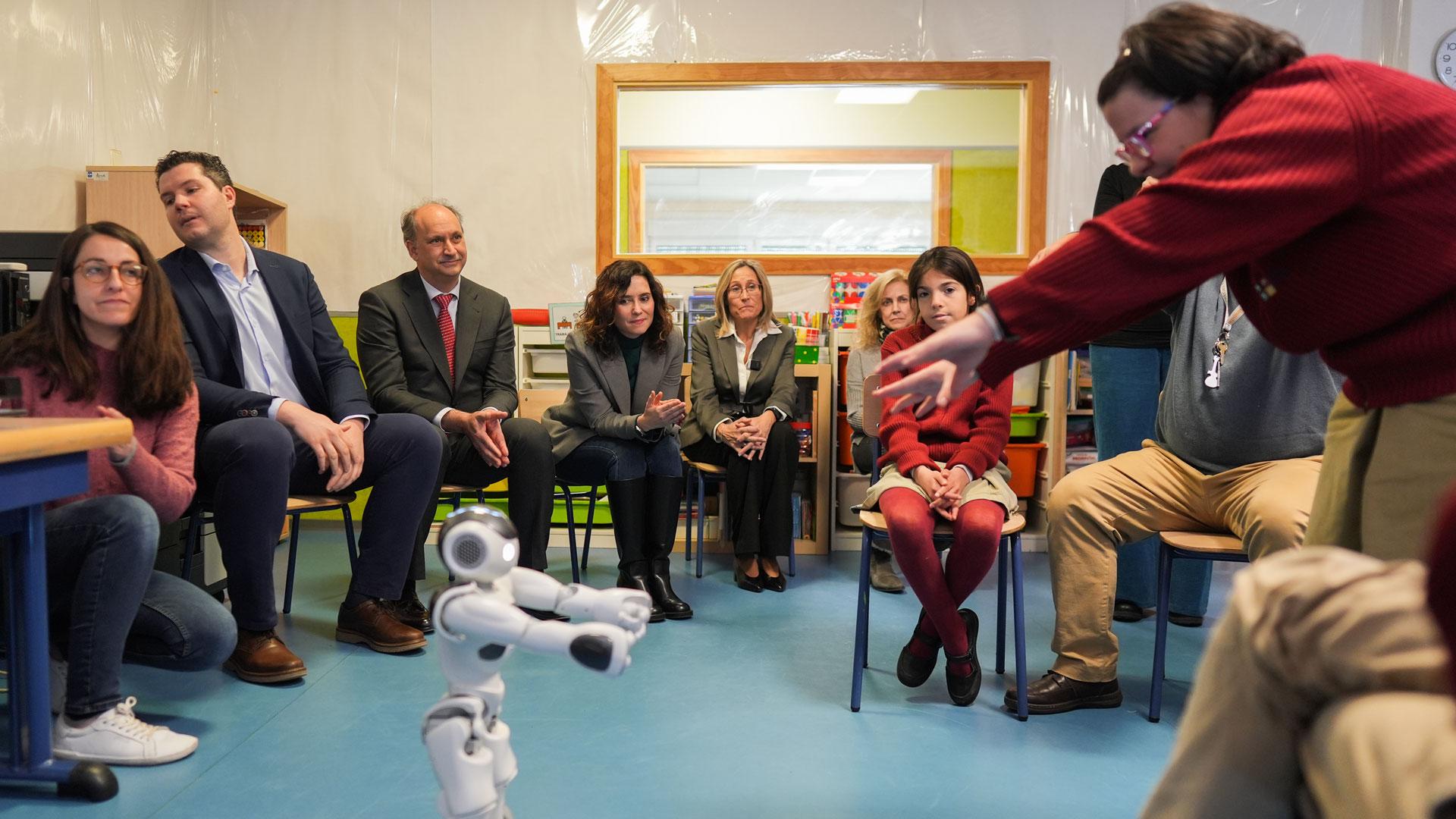
The Regional Ministry of Digitalization and the Regional Ministry of Education, Science and Universities of the Community of Madrid have decided to take another step in integrating technology into classrooms. Next year, the Robic program, which uses social assistance robotics and artificial intelligence, will move from a pilot project to become a standard tool in ten public schools in the region. This decision is based on the results obtained during eight months of trials at Gaudem School, a center specializing in students with special educational needs.
The main objective of this initiative is to strengthen early intervention for children with Autism Spectrum Disorder (ASD), developmental delays, motor or cognitive limitations, neurodevelopmental disorders, and the aftereffects of brain damage. Far from replacing the work of teachers and therapists, the robot acts as a complement, providing them with additional information to adapt activities to each student. Educational decisions remain the responsibility of the professionals, while the machine simply suggests personalized exercises and activities.
A tool that adapts to each student's pace
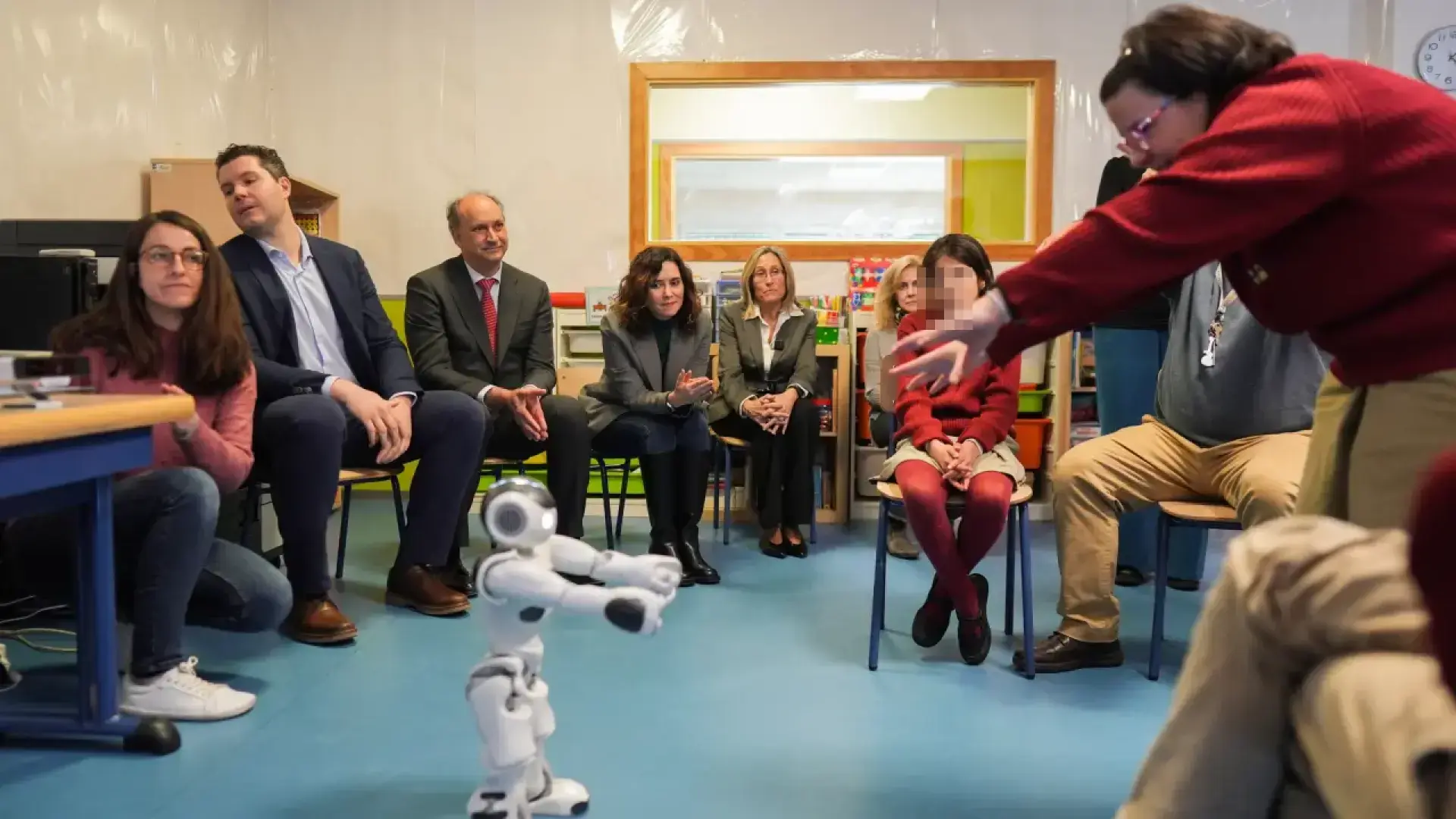
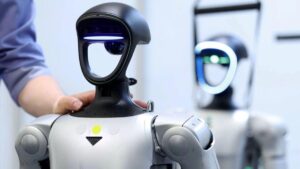
The humanoid robot used in the program incorporates 3D cameras and other sensors that allow it to interpret the child's interaction. With this information, the artificial intelligence selects the most appropriate exercises from a catalog designed to reinforce communication, oral and physical expression, psychomotor skills, and self-awareness. The sessions can be structured as games, movement imitation, or language activities, always adapting to the student's response.
One of the most valued aspects is that the system does not require constant manual intervention. The robot itself corrects movements when they deviate from the established pattern and enhances verbal interactions, thus facilitating the educators' work. Furthermore, the information gathered during the sessions is used exclusively to personalize learning and is managed in compliance with data protection regulations, a point that the regional administration frequently emphasizes.

The pilot program at Gaudem School involved 30 children between the ages of four and ten . Over eight months, the teaching staff observed a significant increase in student interest, participation, and motivation. Comprehension of instructions also improved, and a calmer, more collaborative learning environment emerged, both in individual and group sessions.
One of the most striking cases was that of a girl with autism spectrum disorder (ASD) who had serious speech difficulties. After several sessions with the robot, she began to demonstrate previously unseen communication skills, a development that caught the attention of therapists and was included in the official evaluation. Although this is a specific case, it illustrates the potential of this technology when applied with an appropriate pedagogical approach.
Positive feedback from teachers and families
The teachers who participated in the trial highlighted how easy it was to integrate the tool into the classroom and its ability to personalize learning without increasing workload. This is one of the key factors that has facilitated the program's acceptance, as teachers don't need to dedicate extra time to configuring the exercises. The system automatically adjusts the difficulty and content according to the child's progress.
Families have also shown a positive attitude. According to the data collected, parents perceive greater well-being and enthusiasm in their children during sessions with the robot. This support is fundamental for the initiative to take root, because family involvement in the educational process is a determining factor, especially in cases of special needs.
The program will expand in the 2026/2027 academic year with the addition of nine schools to Colegio Gaudem, which will continue to serve as the flagship institution. The new schools are: Inmaculada Concepción (Madrid), Duque de Ahumada (Valdemoro), Miguel Hernández (Colmenar Viejo), Peñalara (Collado Villalba), Iker Casillas (Torrejón de Ardoz), Perú (Carabanchel), Maestra Trinidad García (Fuenlabrada), El Olivar (Rivas-Vaciamadrid), and Profesor Tierno Galván (Alcobendas).
This geographical distribution reflects the Community of Madrid's commitment to extending educational innovation to different areas of the region, ensuring that students with special needs can access these resources regardless of where they live. The schools were selected based on the availability of dedicated special education classrooms and the willingness of their management teams to implement the program.

With this measure, the regional government reinforces its commitment to technology as an ally for educational inclusion. Robotics and artificial intelligence not only improve the learning experience but also provide professionals with new ways to address complex cases. The expansion of Robic demonstrates that when innovation is designed with a solid pedagogical foundation and rigorously evaluated, it can deliver tangible results.
The challenge now will be to maintain the quality of the intervention in the new centers, ensure teacher training, and guarantee that data protection remains a priority. The coming months will be crucial to see how the program adapts to different environments and whether the pilot's results can be replicated on a larger scale. For now, the Community of Madrid has taken a decisive step to ensure that technology is not an end in itself, but rather a means to offer a more personalized and accessible education to those who need it most.
