
The transformation of Spanish cities towards a more sustainable model is not just a statement of intent; it is becoming a reality on the streets through the replacement of streetlights. This is noticeable when walking at night, as the transition to LED systems is allowing many city councils to abandon the old sodium vapor lights, which, in addition to consuming enormous amounts of energy, provided very poor illumination. This upgrade not only aims to make the streets look better, but is also a straightforward cost-saving measure for municipal coffers.
Wow, the rollout is massive in towns like Arnedo and Logroño , where upgrades are underway affecting dozens of public roads. While the initial investment may seem high, the results are almost immediately reflected in electricity bills, making this change essential for public administrators. It's not just about putting in new light bulbs; it's about rethinking how we illuminate our surroundings to make them more pleasant and, above all, much more efficient.

Energy savings and improved visibility on the roads
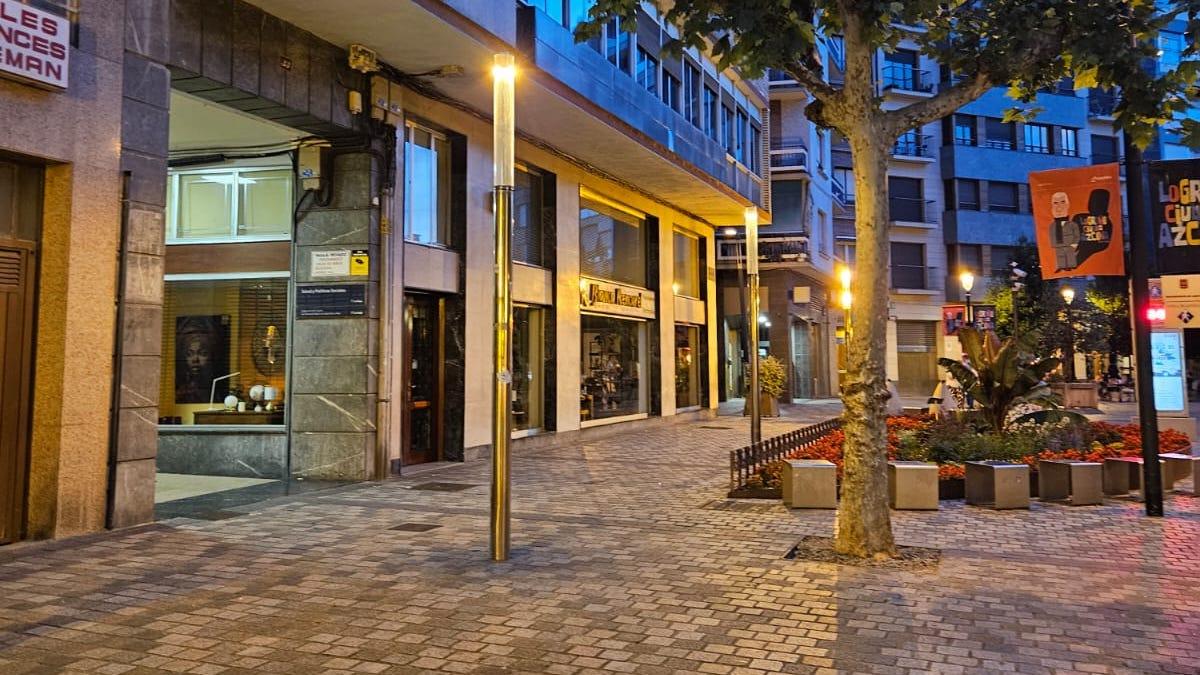
One of the most striking aspects of these projects is the reduction in the power required to illuminate the same space. In recent projects, an 81% reduction in installed power has been achieved , switching from old systems that consumed thousands of watts to modern equipment that requires only a fraction of that energy. This saving translates into thousands of euros less spent on electricity each year, allowing the investment to be recouped in record time and making maintenance much less cumbersome thanks to the long lifespan of LED bulbs.
Besides saving money, safety is the biggest beneficiary, as the quality of the light improves significantly. The level of uniformity has gone from discreet to much higher, meaning there are no longer so many dark spots between streetlights. With improved visibility and road safety , both drivers and pedestrians can move around with greater peace of mind, avoiding the typical scares of poorly lit areas where the deterioration of old sodium bulbs took its toll.
Economic investment and institutional collaboration
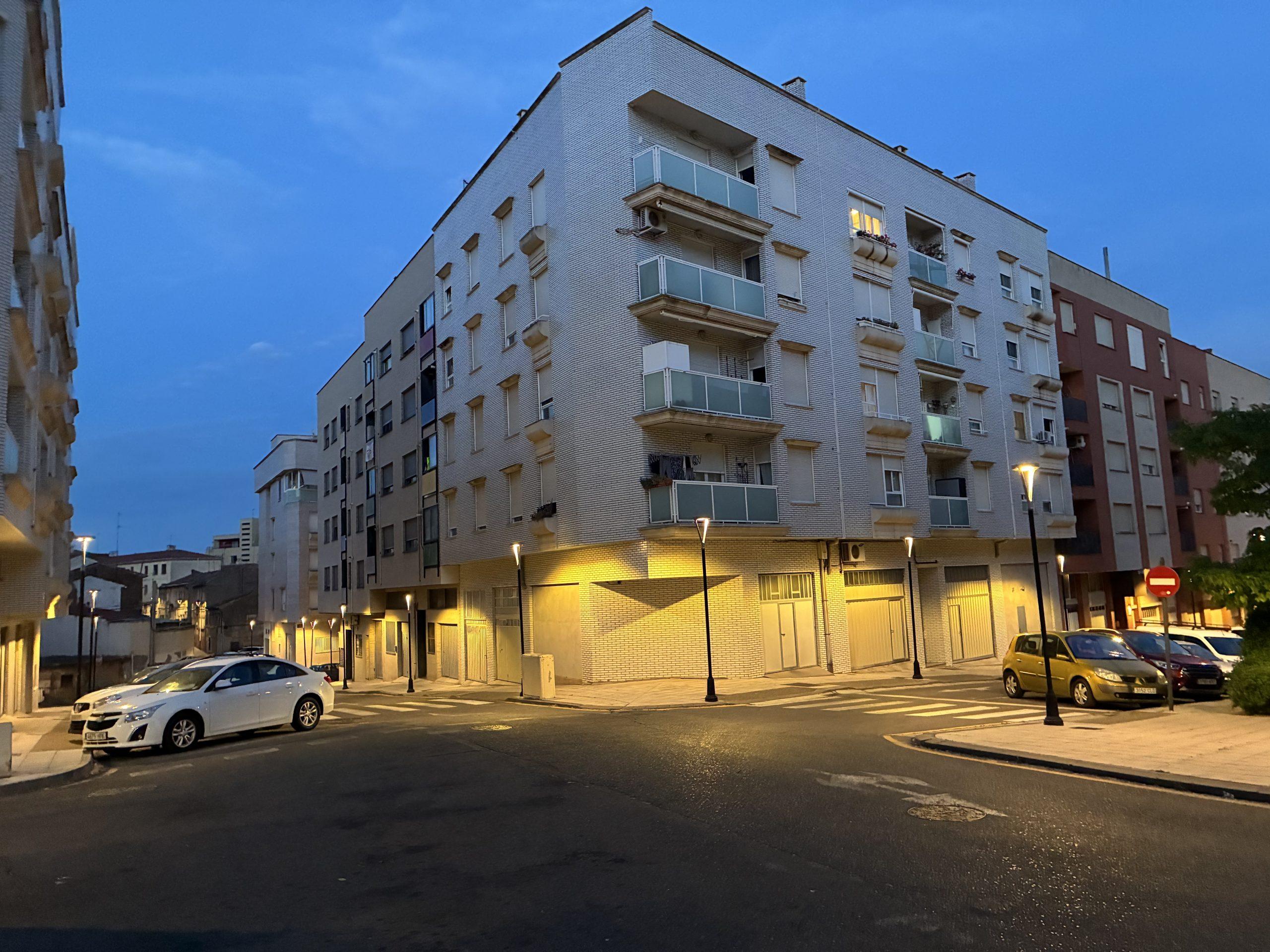
Implementing these reforms requires significant financial resources, which is why many municipalities are relying on Next Generation EU funds and regional plans to cover the costs. In some cases, external funding covers up to 95% of the budget, making it easier for municipalities of all sizes to join the modernization effort. Replacing thousands of light fixtures is a monumental task being carried out in phases, prioritizing areas where the electrical system has suffered the most from age.
A particularly interesting aspect of these projects is their social and educational component, exemplified by the participation of students from vocational training centers in internships. These young people collaborate with municipal crews in installing the new streetlights, gaining firsthand experience with a technology that represents both the present and the future of the sector. In this way, in addition to improving the city, the project fosters the learning of technical trades in a real-world setting, which is always invaluable for their future employment prospects.
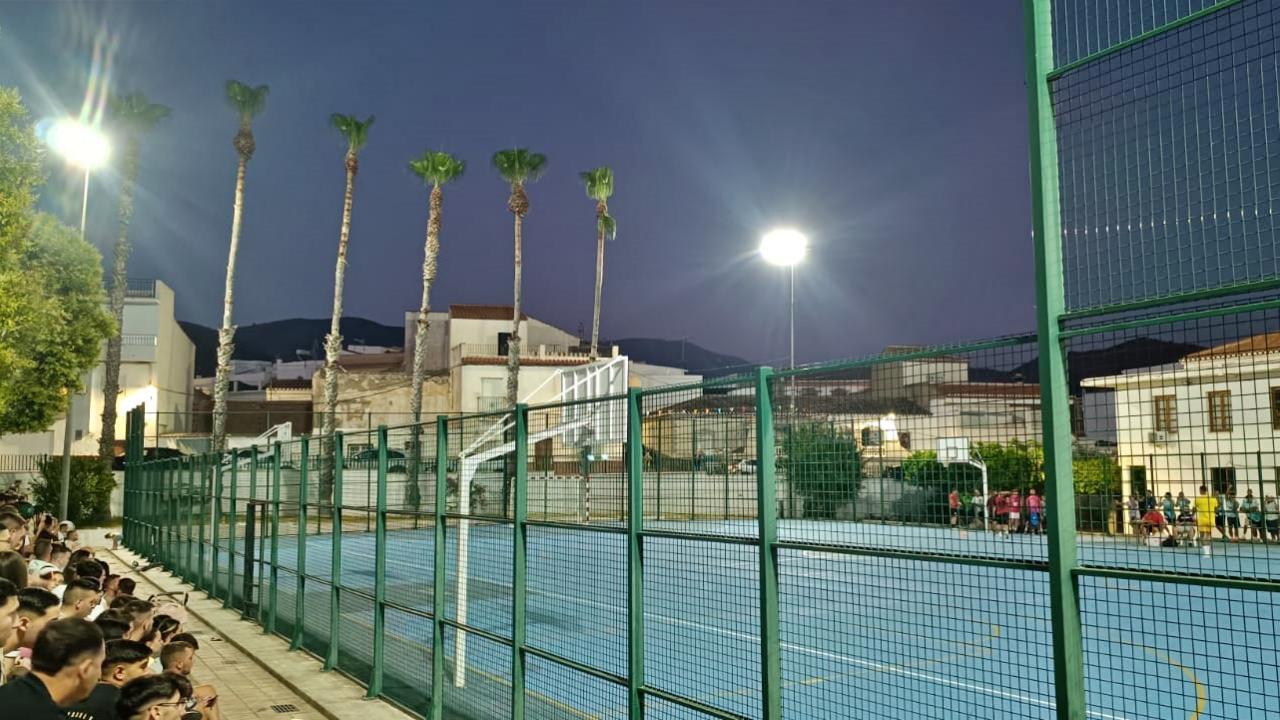
The deployment of LED technology in Spanish public lighting represents a decisive step forward in resource management, ensuring that energy efficiency and cost savings go hand in hand. With the replacement of thousands of light points and the support of European funding programs, cities are not only reducing their environmental footprint but also guaranteeing a safer and more comfortable environment for citizens, demonstrating that modernizing basic infrastructure is the most direct path to becoming a truly smart city.
Table of Contents