
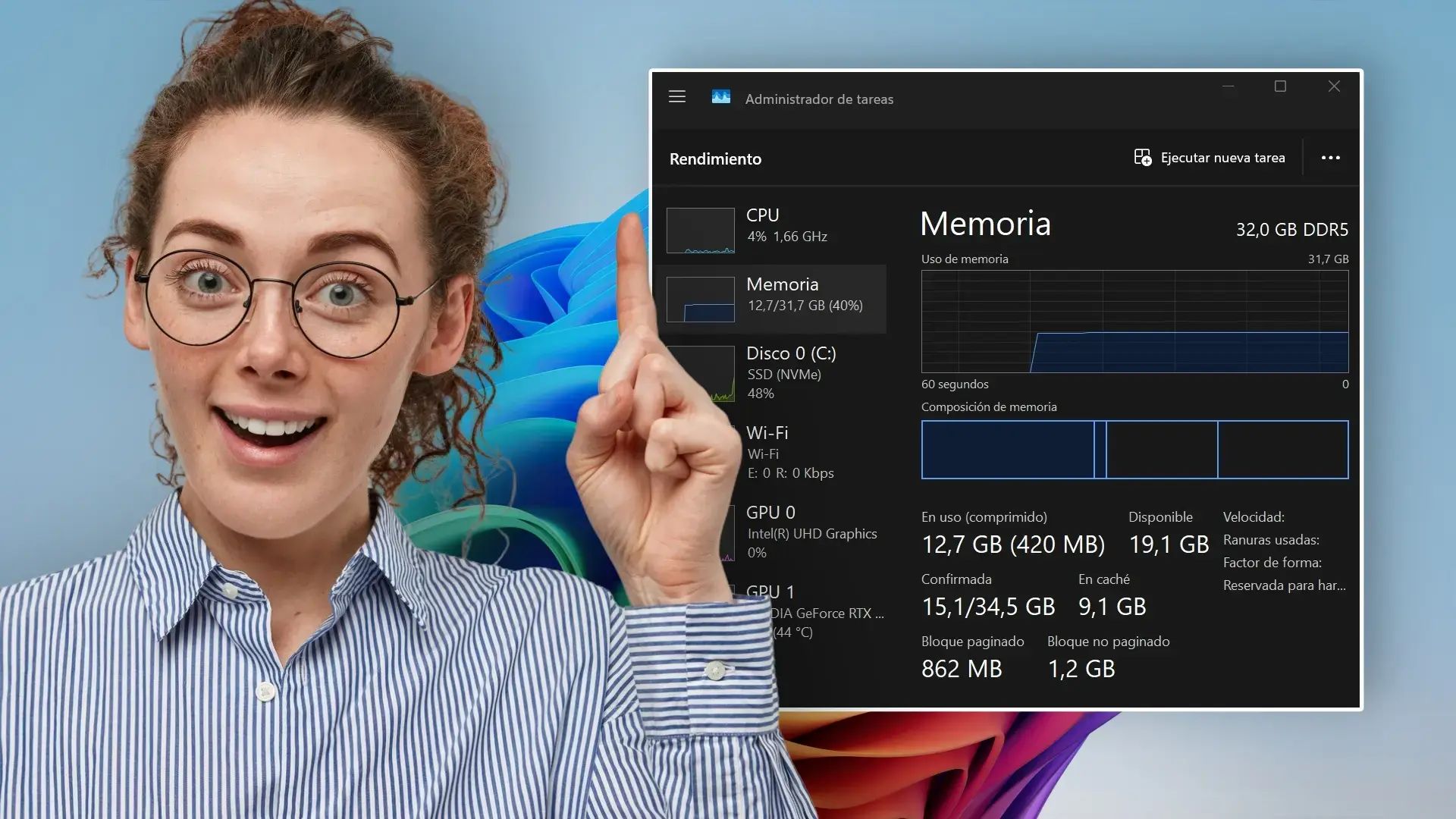
The RAM crisis that began in mid-2026 has not only failed to resolve itself, but has worsened. What started as a temporary price increase for DDR5 modules and SSDs has become a perfect storm affecting the entire technology industry, from mobile phone manufacturers to video game consoles. Prices have skyrocketed to unprecedented levels, and even the most optimistic forecasts suggest that the situation will not normalize before 2028.
The root of this imbalance lies in artificial intelligence. The data centers that power AI models require enormous amounts of high-bandwidth memory (HBM), and manufacturers have prioritized this demand over the consumer market. The result is a severe shortage of conventional RAM and a price surge that is forcing consumers to pay five or six times more than a year ago for the same components.

Soaring prices and sold-out production
Data from DRAMeXchange, a price tracker that has been collecting information since 2016, confirms the magnitude of the problem. PC memory rose 14,3% month-over-month in July , while NAND flash memory (used in SSDs) increased in price between 35% and 51%. In Hong Kong, for example, 16 gigabytes of RAM that used to cost between €35 and €45 now sells for more than €150, according to traders at the Wan Chai Computer Centre.
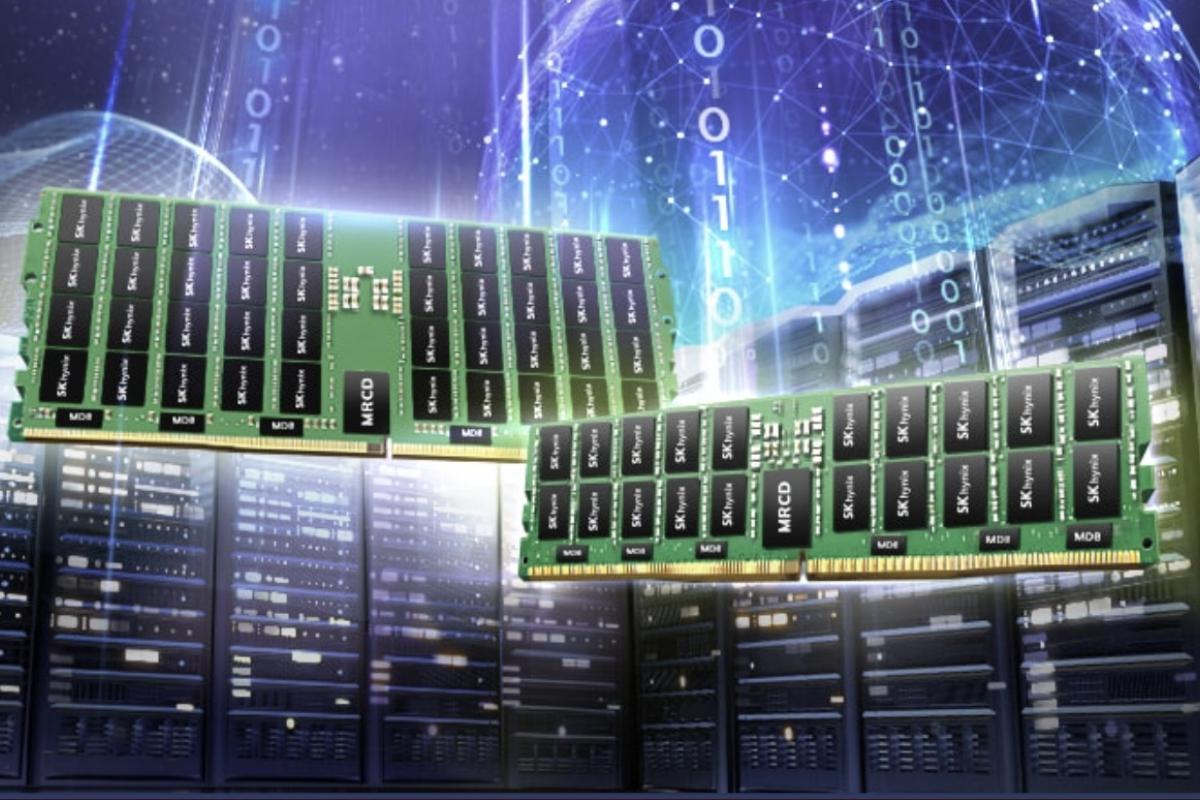
The situation is so dire that the three major memory manufacturers—Samsung, SK Hynix, and Micron—have already sold out their entire production capacity for 2027. According to DigiTimes, these giants have secured long-term agreements with the world's five largest data center operators, committing approximately 65% of their memory capacity at fixed prices. The remainder is divided among smaller customers, who are left with a very small slice of the pie.

AI has taken over the factories
The underlying problem is that the demand for AI memory has completely overwhelmed global production capacity . Building a chip factory takes more than three years, and the expansions being carried out by Samsung, SK Hynix, and Micron will not be enough to fill the gap. Samsung's executive vice president, Jaejune Kim, stated during the presentation of second-quarter results that demand far exceeds current capacity and that it is "unlikely" the market will be able to alleviate price pressures by increasing supply.
This situation has led memory manufacturers to prioritize servers and data centers above all else, leaving the consumer market with barely 30% of total production. Hyperscalers—the major cloud providers—are “begging” for supply, according to the DigiTimes report, and are willing to pay any price to secure the memory they need for their AI infrastructures.

CXMT, the Chinese hope that arrives late
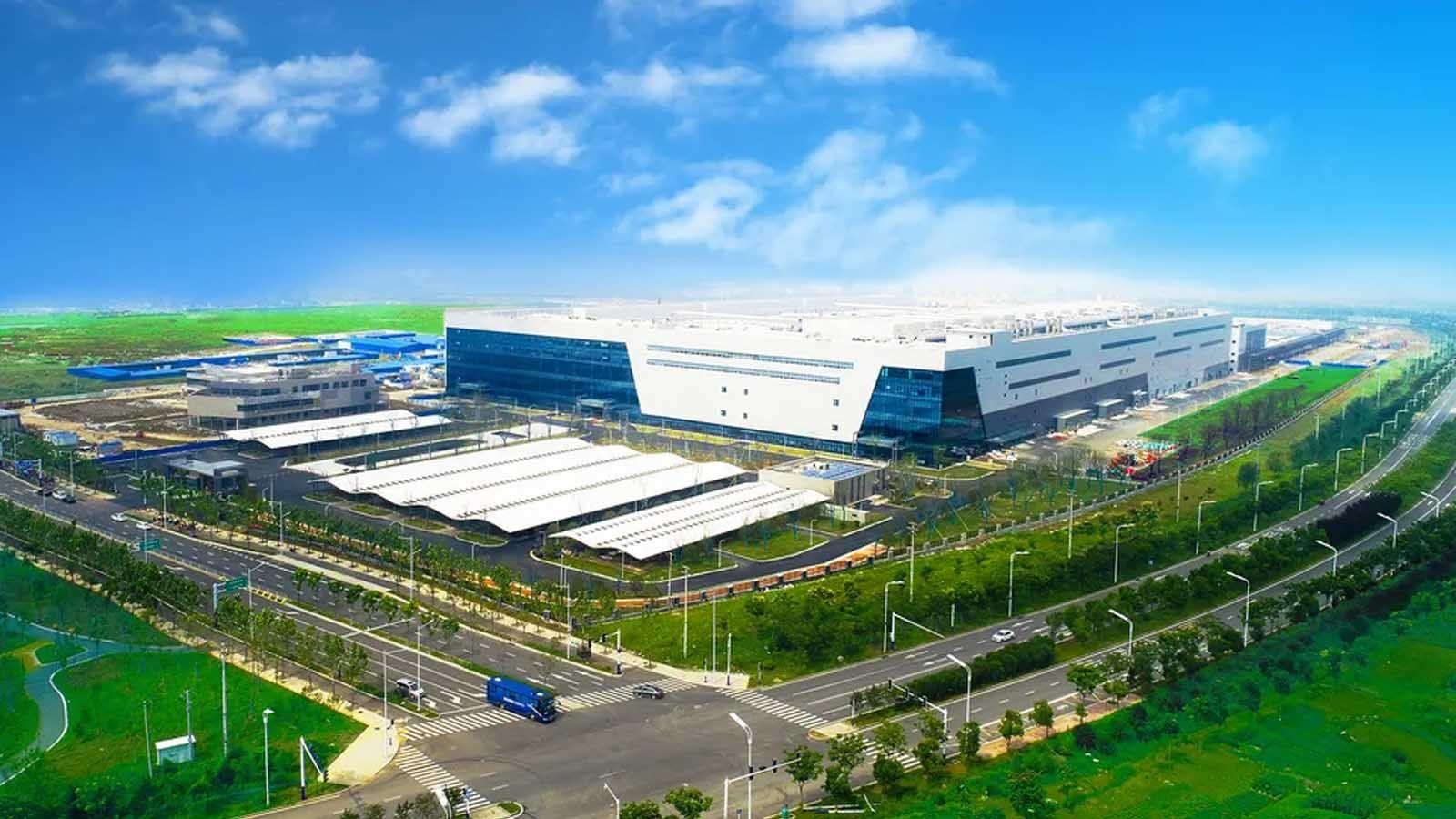
Amid this bleak landscape, the Chinese company CXMT has become the world's fourth-largest RAM manufacturer, with a 716% growth in the last year. The company aims to achieve a 30% global market share by 2030 , which would seriously challenge the established powerhouses of Samsung, SK Hynix, and Micron. To achieve this, it has already begun construction on its sixth DRAM manufacturing plant.
However, CXMT's growth depends not only on money or building new factories. The real bottleneck is access to the most advanced chip-making machinery, especially the state-of-the-art lithography equipment produced by ASML. Restrictions imposed by the United States and its allies make it difficult for China to access these critical tools, limiting CXMT's ability to produce memory chips using processes comparable to those of its competitors.
Apple, Microsoft and consoles in the spotlight
The consequences of this crisis are being felt throughout the industry. Apple already raised the prices of fourteen products in June, and the iPhone 18 Pro is expected to increase by between $200 and $300. The Cupertino company has avoided touching the iPhone's price until now because it's the gateway to its entire ecosystem, but the pressure of memory is so strong that a price increase seems inevitable.
Microsoft, for its part, has quietly removed a support document recommending 32 GB of RAM for Windows 11 gaming PCs. The company had published these recommendations at the height of the crisis but has withdrawn them without explanation, likely because recommending 32 GB is impractical when DDR5 memory prices are skyrocketing . Console manufacturers aren't immune either: Sony, Microsoft, and Valve have already had to raise prices on the PS5, Xbox Series X|S, and Nintendo Switch 2, and the outlook for the next generation of consoles is bleak.

When will the market normalize?
Samsung forecasts that the shortage will worsen in 2027 and remain pronounced until 2028. SK Hynix, for its part, believes that 2027 will be a disastrous year. Manufacturers are pushing for long-term contracts of three to five years, with a payment model in which buyers advance money for production that doesn't yet exist. This dynamic is creating a vicious cycle: the more that is reserved, the less is available for the open market, and prices continue to climb.
Meanwhile, consumers who need a new device face a dilemma: buy now and pay a premium, or wait for prices to drop, risking further increases. Experts recommend that if you need equipment in the short term, you buy as soon as possible, because prices are expected to continue rising for at least the next two years.
In short, the RAM crisis has no quick fix in sight. AI demand will continue to absorb the production of major manufacturers, and the consumer market will have to make do with the crumbs. The only hope in the medium term is that CXMT manages to overcome technological barriers and become a real alternative, but that won't happen before 2030. Until then, prices will remain high and supply limited.