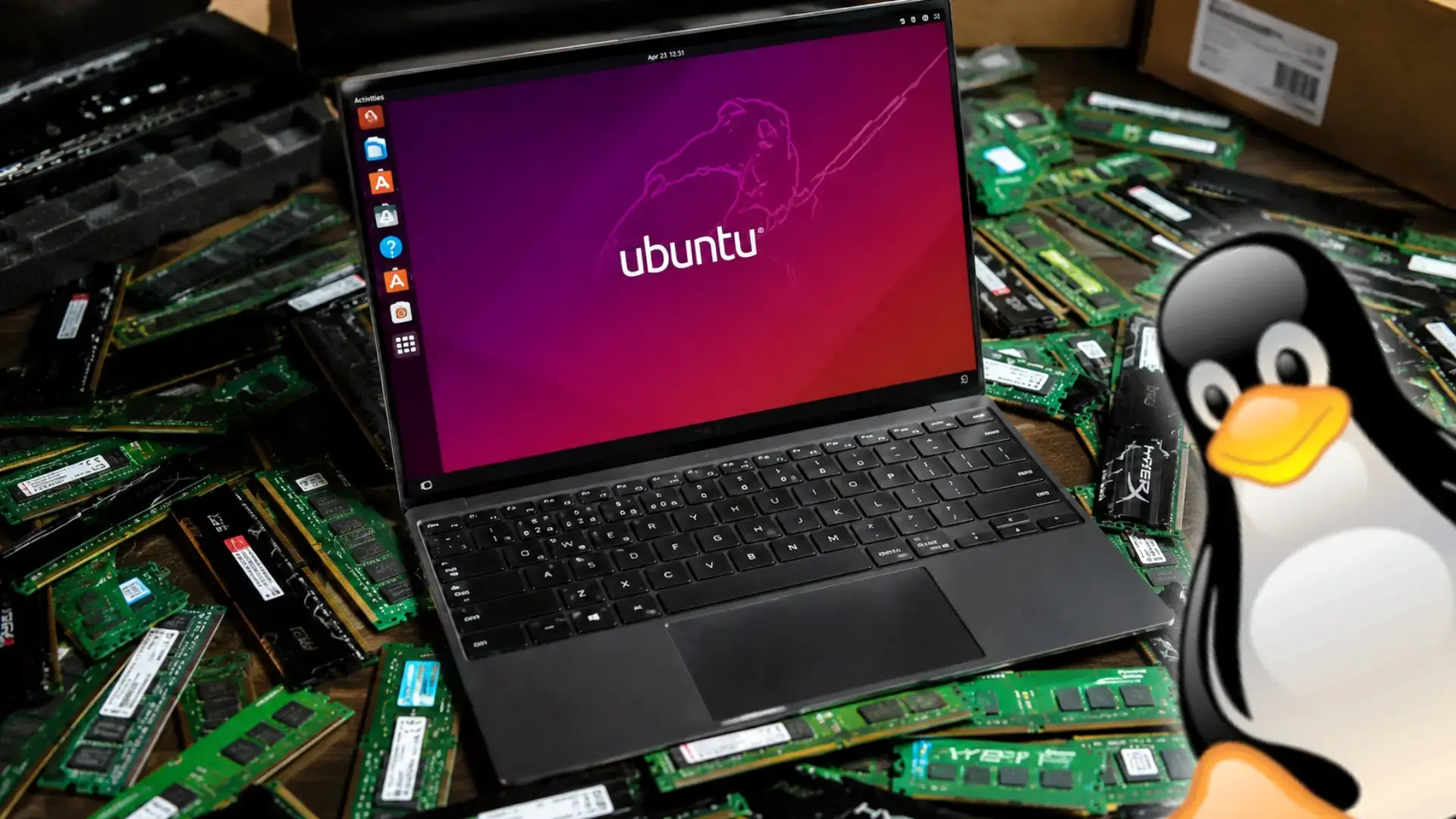
The RAM crisis shows no signs of abating. Prices for DDR5 modules skyrocketed again in July, reaching a new all-time high that is leaving consumers and manufacturers in an increasingly difficult situation. According to data compiled by the 3D Center portal from several German retailers, the cost of these components has increased by 448% compared to the same month last year, a figure that even surpasses the peaks recorded in early 2026. This price hike is not an isolated event: it affects virtually all available kits , from 8GB to 48GB configurations, and has made building a new PC or upgrading an existing one almost four and a half times more expensive than it was just twelve months ago.
Behind this price surge lies the voracious appetite of major tech companies for memory chips for their artificial intelligence infrastructures. Leading manufacturers, such as Samsung, SK Hynix, and Micron, have shifted their production towards the data center segment, neglecting the consumer market. The result is a shortage of inventory that has driven prices to unprecedented levels this century , both in their magnitude and the speed of the increase. In Europe, the situation is particularly acute, as data from Germany reflects a trend mirrored in other countries like Spain, where consumers are seeing RAM kits become a luxury.
DDR5 prices: 448% more expensive than a year ago
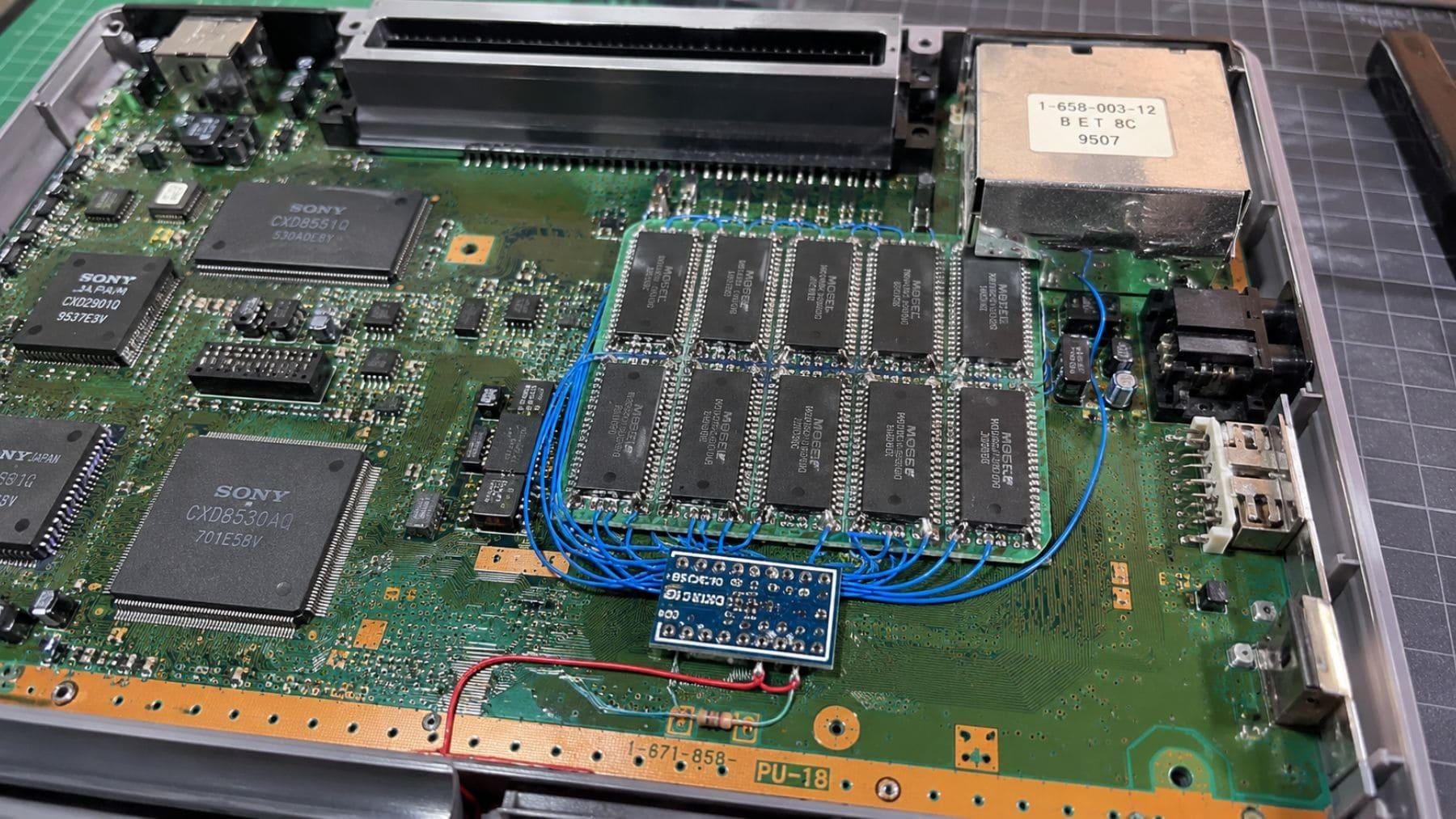
3D Center's monthly report confirms that July broke all records. After a slight dip in the spring months, prices surged again, with a monthly increase of nearly 7%. The most affected configurations are the 2x16GB DDR5-6000 CL28 and 2x16GB DDR5-7200+ kits , which saw price increases of between 16% and 17% in just thirty days. Although some 2x48GB formats were partially spared, the trend is widespread. The president of the SK Group, owner of SK Hynix, has publicly acknowledged that prices are "abnormally high" and that the industry must take steps to increase supply and avoid geopolitical tensions. The solution is not immediate: increased production for the consumer segment is essential , but major manufacturers are prioritizing AI margins.

Samsung is betting on long-term contracts to stabilize the market

Amid this landscape, Samsung has made its move. The South Korean company, one of the three major memory manufacturers, has announced that it will begin negotiating multi-year contracts with its main clients, abandoning the quarterly agreements that have dominated the sector until now. The goal is to minimize medium- and long-term uncertainty and guarantee steady business growth , the company stated after unveiling its new HBM4E chip for artificial intelligence. The idea is that clients can set more stable prices and plan their investments without surprises. However, the plan has an Achilles' heel: artificial intelligence. If AI companies also benefit from these contracts, they could further increase demand , delaying any relief for the end consumer. Moreover, the effects won't be noticeable until at least the end of 2026.
The impact on products: Steam Machine and graphics cards
The crisis is already impacting the hardware arriving in stores. Valve, for example, has acknowledged that the price of its Steam Machine has been affected by the rising cost of memory. The most basic model costs $1.049, and the company warns that current prices do not reflect the actual cost of new orders , which could translate into further price increases in the future. Furthermore, upgrading the console's RAM is no easy task: according to Reddit users, it requires disassembling the fan, the power supply, and several cables—a process Valve justifies on the grounds of signal integrity and safety. On the other hand, Palit has relaunched the RTX 3060 with 12 GB of GDDR6 VRAM as a budget-friendly alternative for gamers, taking advantage of the fact that GDDR6 memory is cheaper than the GDDR7 used in current GPUs. This strategy demonstrates that manufacturers are seeking creative solutions to circumvent the high cost of RAM , although the price of the RTX 3060 remains similar to that of an 8GB RTX 5060, which reduces its appeal.
The situation is also pushing some companies to seek alternative suppliers. Corsair and Lenovo have already begun sourcing memory chips from Chinese manufacturers like CXMT and YMTC, and even Apple has requested permission from the US government to purchase memory from CXMT. This shift toward Chinese producers could change the landscape of the sector in the long term , but for now, it doesn't alleviate the pressure on prices. As long as artificial intelligence continues to dominate production, the RAM crisis shows no signs of being resolved in the short term. European consumers, caught between rising prices and a lack of affordable alternatives, will have to wait for the measures taken by Samsung and other manufacturers to begin to bear fruit, something that, according to experts, won't happen before 2027.

Table of Contents