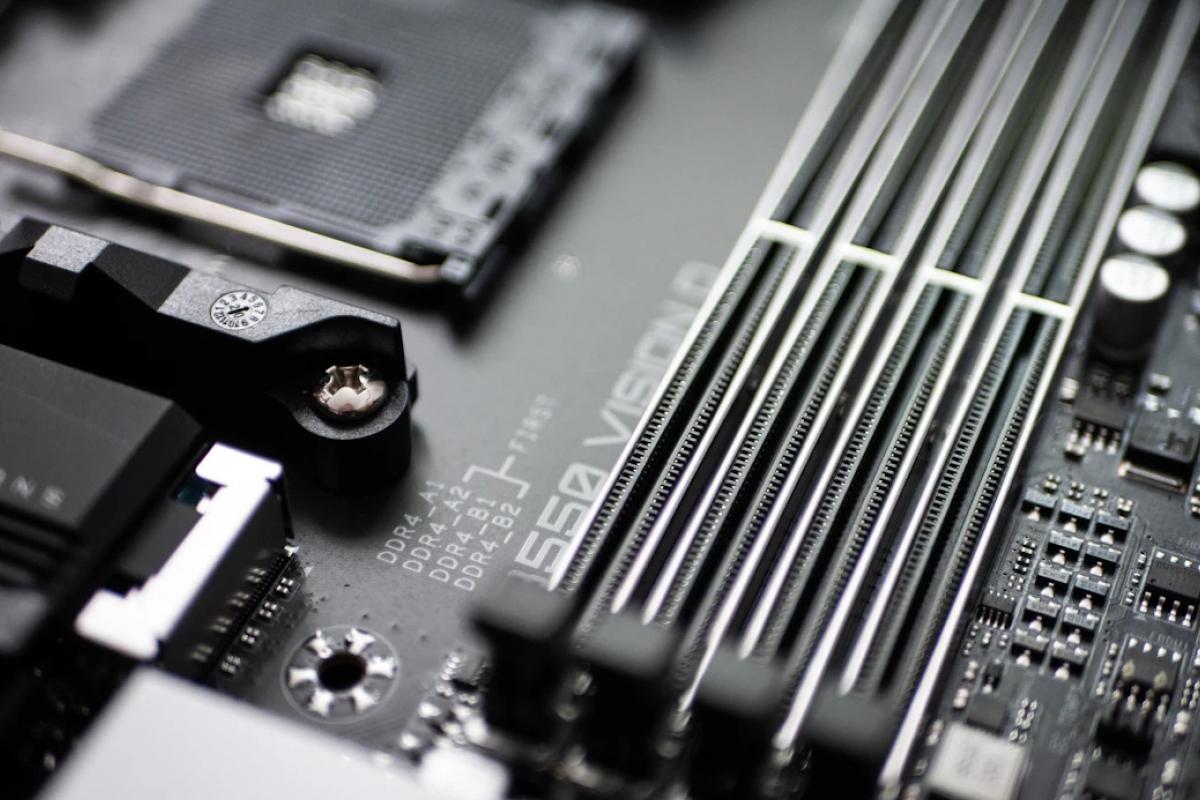
While some hoped the arrival of Chinese memory would alleviate the situation, reality is proving more complex. CXMT, already the world's fourth-largest DRAM producer, has staged a historic IPO and signed multi-million dollar contracts with tech giants, but it has also raised prices for its own partners. Are we witnessing the definitive solution or a new player operating under the same rules as the established oligopoly?

The dominance of the big three and the space for China
The global DRAM market is dominated by Samsung, SK Hynix, and Micron, which together account for nearly 90% of production. The AI craze has led these giants to focus their manufacturing lines on HBM (High Bandwidth Memory) for servers, leaving the consumer segment—PCs, laptops, and smartphones—with a very limited supply. As a result, DDR5 prices have quadrupled or quintupled in just over a year, and shortages have become chronic. In this scenario, Chinese manufacturers like CXMT and YMTC (specializing in NAND Flash) have been seen as a necessary respite, but their role is far from that of mere saviors.
CXMT: the fourth manufacturer that is already making a move
ChangXin Memory Technologies (CXMT) has gone from being a virtually unknown player to becoming the world's fourth-largest DRAM manufacturer, with a market share of nearly 8% and projections to reach 18% by 2028. Its recent IPO in Shanghai boosted its value to $485.000 billion , making it the most valuable listed Chinese company. However, its business strategy is not that of a competitor seeking to undercut prices. According to Reuters, CXMT has been raising RAM prices for Huawei, its local partner, and has refused to offer discounts. At the same time, it has closed multi-billion dollar deals with ByteDance ($7.000 billion) and Tencent ($3.000 billion) to supply DRAM for AI servers. These contracts demonstrate that CXMT's priority is not the end consumer, but the lucrative artificial intelligence market , just like the Big Three.
What does TrendForce say about the future of DRAM?
The consulting firm TrendForce has published a report painting a bleak picture for consumer RAM. Conventional DRAM will remain under pressure and see rising prices throughout 2027 , due to the disproportionate amount of wafers consumed by HBM manufacturing. Although manufacturers are expanding their capacity, the new plants won't begin producing results until the second half of 2027, and their full impact won't be felt until 2028. To make matters worse, SK Hynix has already issued a warning: next year will be the worst in the history of the semiconductor industry. In contrast, NAND Flash memory, used in SSDs, will follow the opposite path: the commissioning of new factories in 2027 will allow SSD prices to fall , provided that consumer electronics demand doesn't recover sharply. This divergence between DRAM and NAND is unusual and reflects how AI is distorting the market.
Chinese RAM in the European market: reality or mirage?
For European consumers, the arrival of Chinese memory could be a welcome relief, but for now, CXMT modules are difficult to find in Western retail stores. Manufacturers like Lenovo and Corsair are already using CXMT memory in their systems , and Dell, Acer, and HP are exploring its integration. Apple, for its part, has begun testing CXMT chips in its devices sold in China and only needs US government approval to expand its use to other markets. However, international distribution of these modules has not yet begun. Analysts point out that CXMT's technology is not the most advanced —it lacks extreme ultraviolet lithography and its chips consume more power—but in a context of soaring prices, any increase in supply is welcome. The question is whether CXMT will prioritize the consumer market or follow in the footsteps of the Big Three, focusing on AI contracts that offer much more lucrative margins.
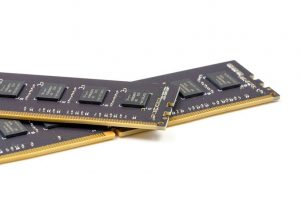
The RAM situation remains tense, with high prices and limited supply not expected to improve in the short term. Chinese manufacturers like CXMT are gaining ground, but their pricing strategy and focus on the AI market offer little guarantee of relief for consumers. Meanwhile, the industry anticipates new production facilities will begin operating in 2028, though analysts caution that prices may not return to pre-crisis levels.

Table of Contents