

The world of network storage is undergoing a transformation. On the one hand, Xiaomi has burst onto the scene with its first NAS , the Smart Storage, which has been a resounding success in its crowdfunding campaign in China. On the other, QNAP has revamped its product line with two ranges that cover everything from home to professional environments. And all of this is happening against a backdrop of so-called "enshitification"—the progressive degradation of the user experience in favor of manufacturer control—generating intense debate among enthusiasts and small businesses.
The arrival of these new devices not only expands the market offering but also reflects how manufacturers are redefining their strategies . While some are opting for closed ecosystems and restrictive policies, others are trying to attract an audience seeking flexibility and good prices. Below, we review the most noteworthy new features and the trends that will shape the future of the industry.
Xiaomi Smart Storage: an affordable NAS that's taking China by storm
Xiaomi's first NAS, officially called Xiaomi Smart Storage , has launched in China through a crowdfunding campaign that sold out on its launch day . The device is available in three configurations: 4 TB (with two 2 TB drives), 8 TB (two 4 TB drives), and 16 TB (two 8 TB drives). All configurations include Western Digital Red drives, guaranteeing reliability for continuous use.
The launch price has been so aggressive that, according to analysts, it's equivalent to buying the hard drives and getting the device for free . Although it's currently only available in the Chinese market, it's expected to arrive in Europe in the coming months. Furthermore, Xiaomi has introduced a dedicated uninterruptible power supply (UPS) for this NAS, which connects directly without the need for additional USB cables and is capable of performing an automatic safe shutdown in the event of a power outage, then reactivating the device when power is restored.

QNAP updates its catalog with two new ranges
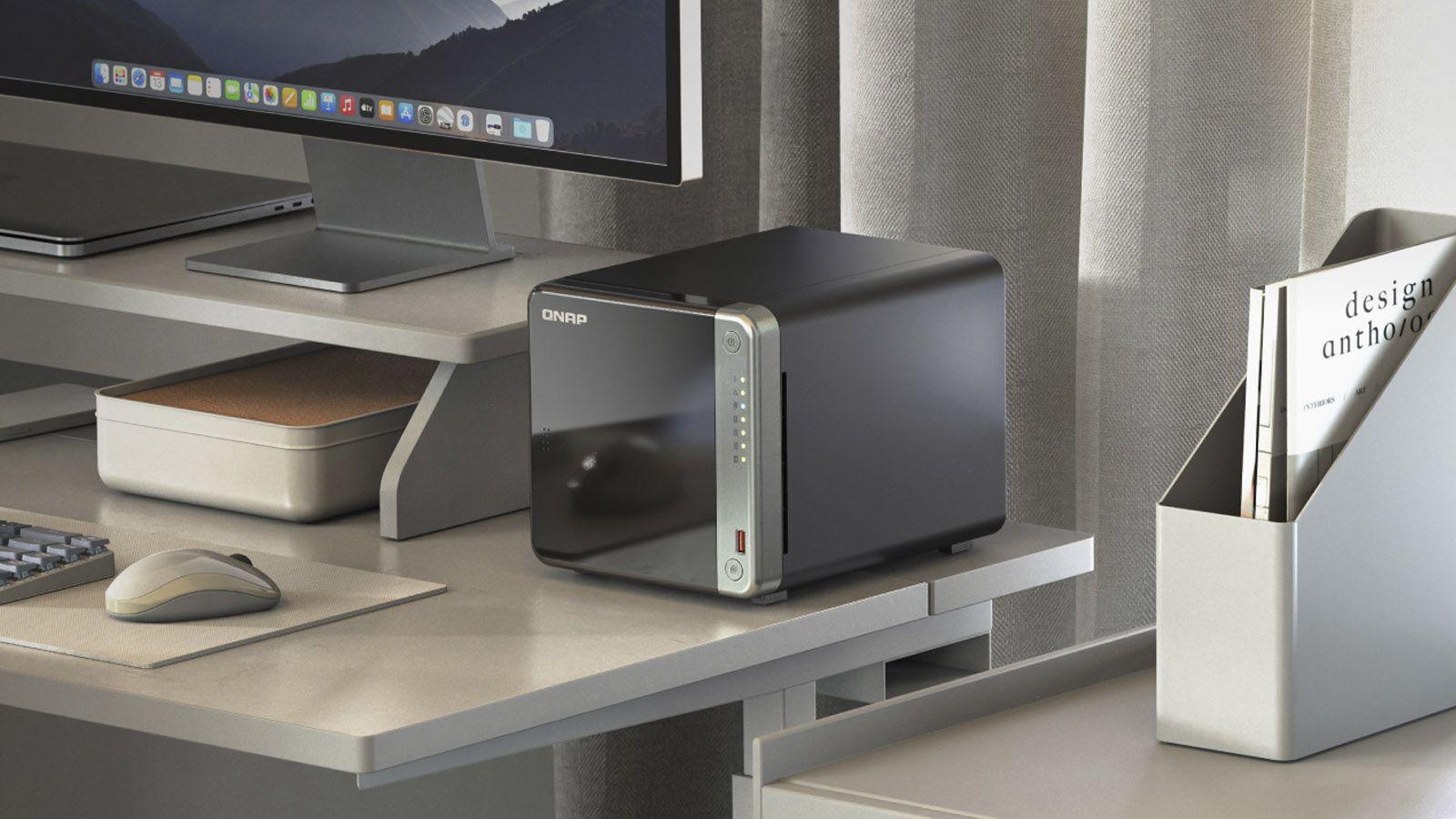
QNAP has introduced two NAS families that cater to very different needs. The TS-262A (two-bay) and TS-462A (four-bay) models are designed for home users and small offices . They feature a quad-core Intel Celeron N5095 processor, 4GB of RAM expandable up to 16GB, and a 2.5GbE port that allows transfer speeds of up to 300MB/s. They also include two M.2 slots for SSDs, which accelerates data access and the execution of applications like Plex or virtual machines.
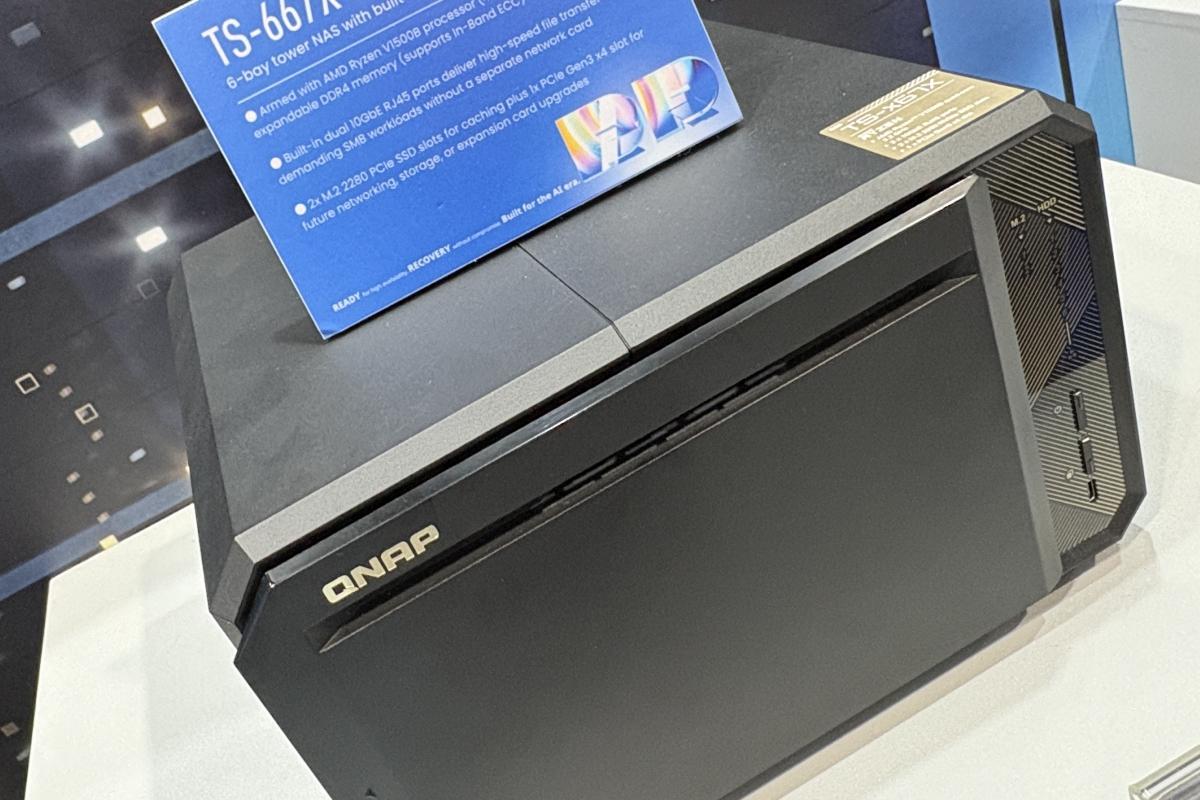
In the high-end range, the TS-467X, TS-667X, and TS-867X series (with 4, 6, and 8 bays respectively) are geared towards intensive workloads and professional environments . They feature a quad-core, eight-thread AMD Ryzen V1500B processor, DDR4 memory with ECC error correction, and two standard 10GbE ports for ultra-fast networking. They also include a PCIe Gen 3 x4 slot for expanding connectivity with additional cards, and two M.2 slots for SSDs. Both models run on the QTS 5.2 operating system, which offers virtualization, Docker containers, and advanced backup applications.
The trend of "enshockification" that many users complain about is not unrelated to these releases. Manufacturers like Synology have limited features on uncertified drives , leading to a loss of market share and a partial reversal of their policy. The RAM shortage, driven by the demand for artificial intelligence, has increased the cost of upgrades to up to 10 times their usual price. And many models still arrive without Multi-Gigabit connectivity, creating bottlenecks for large-volume transfers.

In contrast, DIY alternatives with operating systems for creating your own NAS, such as TrueNAS, Unraid, or OpenMediaVault, are gaining popularity, offering complete control over the hardware and predictable costs . For a startup or a demanding user, building a NAS with a mini-PC and open-source software can cost half as much as a commercial model, without being dependent on manufacturer policies that can change overnight.
Ultimately, the NAS market in 2026 is torn between the convenience of closed ecosystems and the freedom of open solutions. Xiaomi and QNAP represent two sides of the same coin: the former focuses on unbeatable pricing and integration with its ecosystem; the latter on power and versatility. Meanwhile, the debate surrounding hardware and software restrictions will continue to shape the agenda for those who entrust their storage to these devices.
