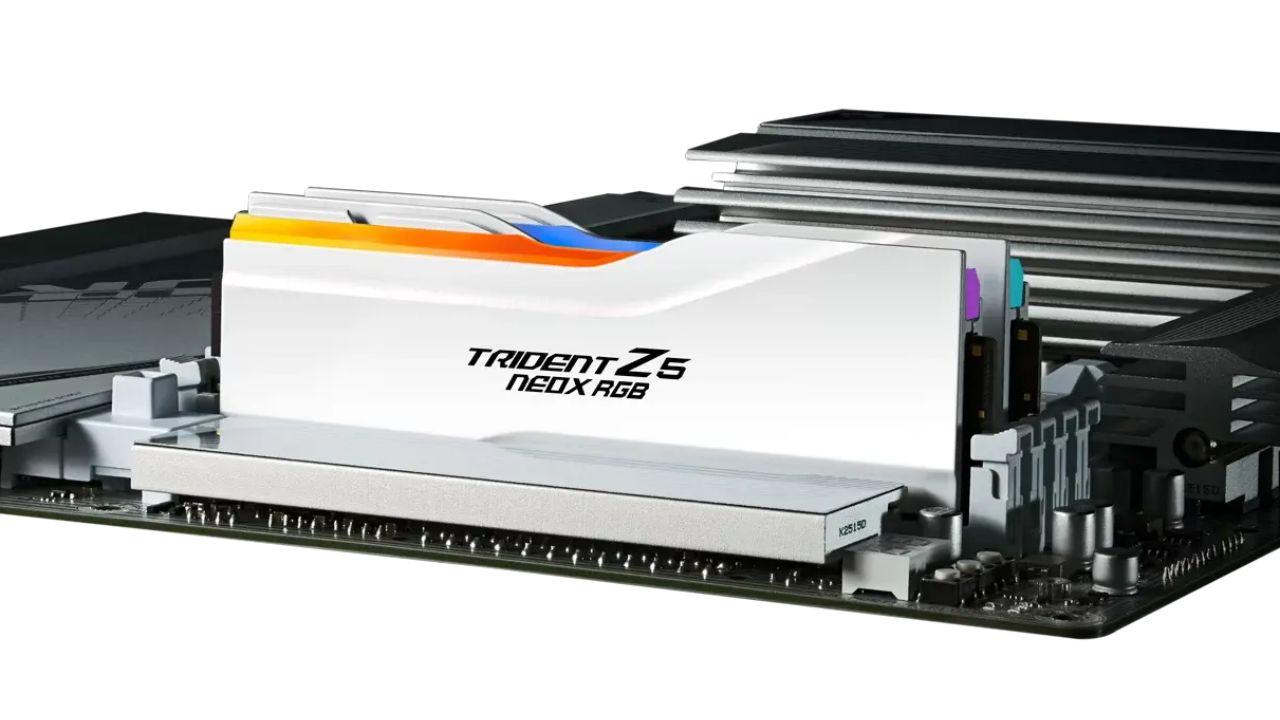
The hardware enthusiast community had been eagerly awaiting the arrival of AMD EXPO ULL (Ultra Low Latency) technology, an evolution of the well-known memory profiles that promised to take the performance of AM5 platforms a step further. However, what was initially conceived as a technical optimization to adjust DDR5 RAM subtiming without requiring users to delve into the BIOS has become a topic of debate due to the initial figures emerging in the European and global markets.
Although AMD's idea was to maintain the usual speeds of 6.000 MT/s while reducing latency to gain those valuable extra FPS, the first product listings have been a major disappointment. Users are encountering price increases that exceed any reasonable expectation , a far cry from the company's initial promises that this technology wouldn't have a direct and painful impact on our wallets.
What does the EXPO ULL standard actually offer?
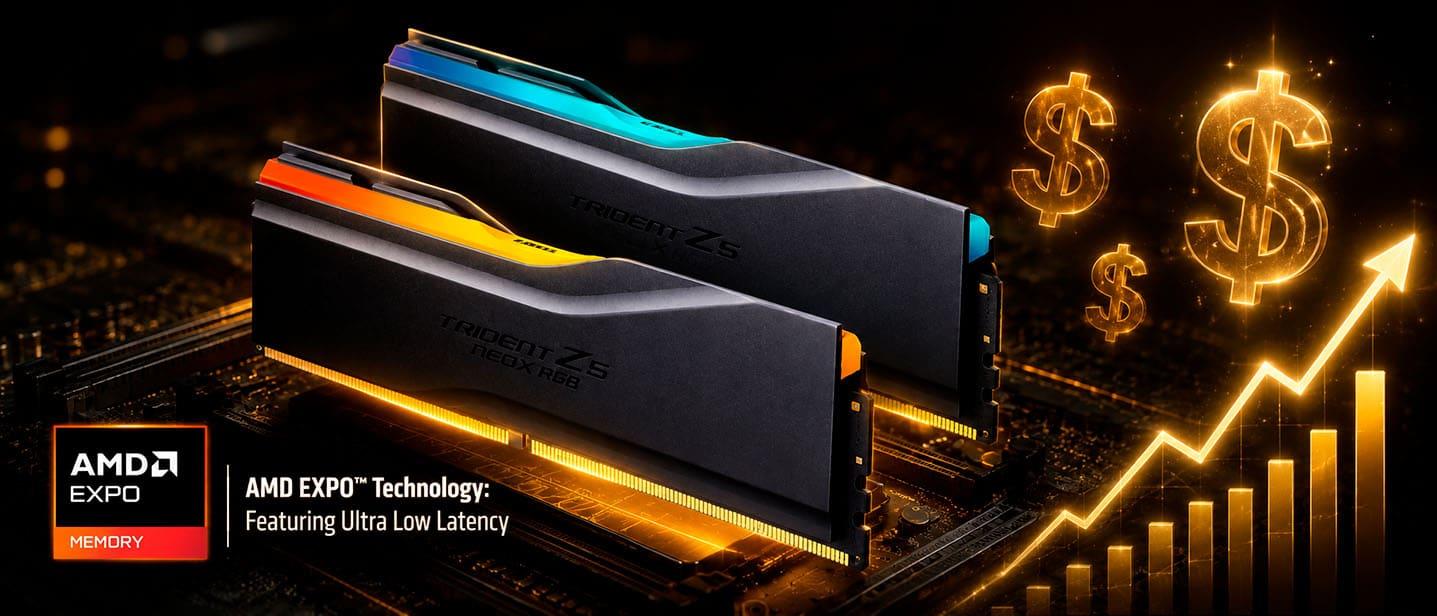
On paper, Ultra Low Latency technology aims to address the weak point of current memory: access times. By tightening secondary parameters within the SPD profile, a latency reduction of between 5 and 7 nanoseconds is achieved compared to various types of conventional memory . This is especially useful in desktop Ryzen processors that lack 3D V-Cache technology, as they rely much more heavily on memory speed to maintain a constant flow of data to the cores.
AMD has shared data showing an average performance improvement of up to 4%, although in very specific gaming scenarios, the minimum percentiles could improve by up to 15%. For this to work, it's essential that the system has an updated BIOS version installed that includes the relevant AGESA support, or that you know how to configure the DDR5 RAM to maximize its performance. Otherwise, these aggressive profiles might not be recognized or could compromise system stability at boot time.
The controversial price of the G.Skill Trident Z5 NeoX kits
G.Skill was one of the first to jump into the gaming pool with its Trident Z5 NeoX RGB series, but the price tags have left many wondering if it's really worth the investment. For example, the 32GB kit with 6.000 MT/s and CL28 latency has been listed at around $999,99, a 79% increase over the standard model we already knew. If we look at the top-of-the-line model with CL26 latency, the price jumps to $1.099,99, a cost many consider prohibitive for a performance improvement that barely reaches single digits in most games.
This phenomenon, already known in some circles as the "ULL tax," appears to be a consequence of an extremely strict chip selection process. To achieve memory operation at lower voltages, such as the 1.35V recorded by some of these kits, and maintain such low latency, manufacturers must use only the best chips from each wafer . This reduces the manufacturing success rate and, therefore, drastically increases the final product's cost, similar to the DDR5 memory price crisis we saw previously, despite AMD executives predicting the opposite just a few months ago.
Comparison of costs and options for the user
Looking at the different available options, we see that the price gap narrows as the latencies become less demanding. Kits with CL30 or CL36 latencies are priced between 10% and 14% higher, which seems like a more sensible alternative for enthusiasts who don't want to spend their entire PC budget on RAM alone. Even so, there's still a noticeable difference compared to the traditional AMD EXPO profiles that have worked perfectly until now.
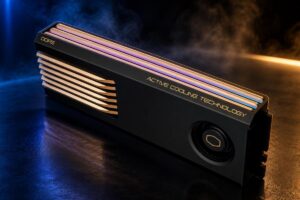
It's curious that, while the industry anticipated a democratization of these improvements, market realities force us to choose between raw performance and cost savings. Many experts point out that if you already have an X3D series processor, the benefit of investing in such expensive memory is practically nil, since the processor's cache memory largely compensates for the RAM's latency shortcomings. Therefore, this new batch of memory seems aimed solely at that niche of users who seek to squeeze every second and every frame out of every second, regardless of the cost.
The current state of the DRAM memory market, which according to various sources will not fully stabilize for another couple of years, does little to help bring these prices down in the short term. AMD EXPO ULL technology is undoubtedly an interesting technical advancement that demonstrates the potential of the AM5 platform, but the high launch prices of these modules suggest that, for now, they will remain a coveted item for a select few. We'll have to wait and see if, as the months go by and more manufacturers enter the market, competition forces an adjustment to prices that, as of today, are difficult for the average consumer to afford.
Table of Contents