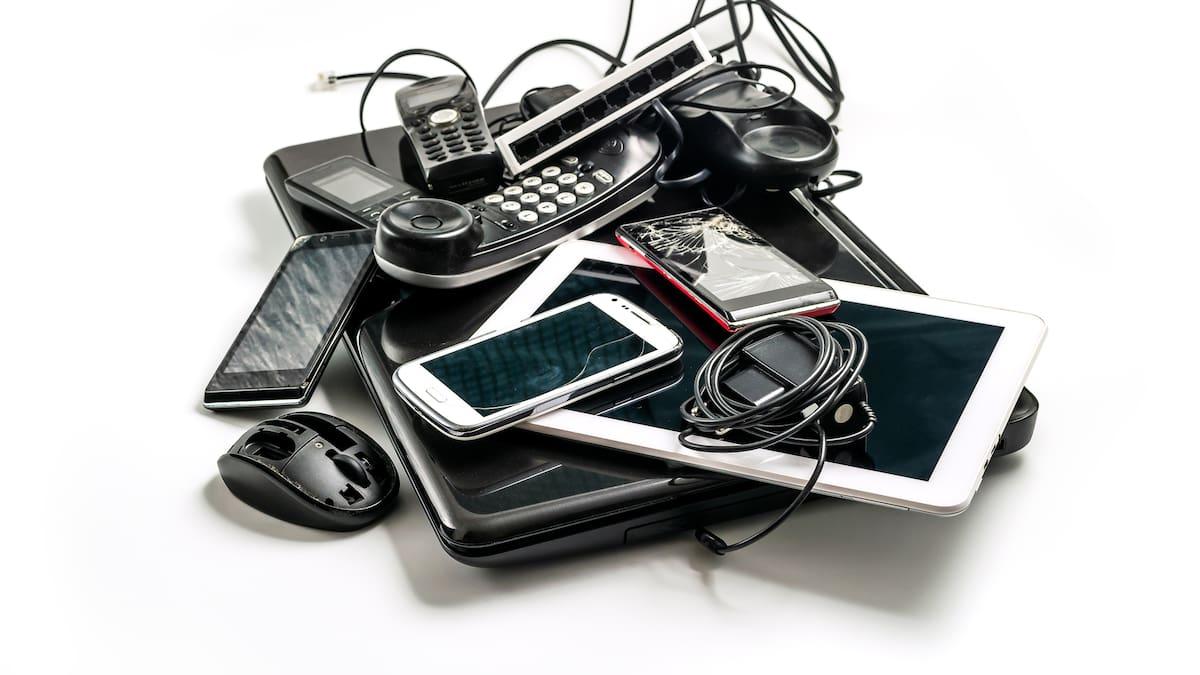
The latest European figures paint an unsettling picture: the EU market introduces far more electrical and electronic devices than are subsequently collected as waste. Eurostat estimates that in 2024, 32,4 kilos per capita entered circulation, while official collection systems received only 12,3 kilos per person. This discrepancy doesn't mean that all the missing equipment is simply discarded: some is still functional, some sits forgotten in drawers and cupboards, and a difficult-to-measure portion escapes controlled disposal channels. The gap, therefore, reflects both consumption habits and shortcomings in traceability.
The data was released to coincide with International E-Waste Day, a day that highlights the need to extend the lifespan of devices and return them to authorized collection points when they are no longer useful. It's not just about recycling more, but about preventing still-usable devices from becoming waste too soon. Comparing sales and collection helps to illustrate the scale of the challenge, although Eurostat warns that the two indicators are not equivalent: a device sold can take years to reach the end of its useful life.
Europe: More shopping, less collecting, and an uneven increase
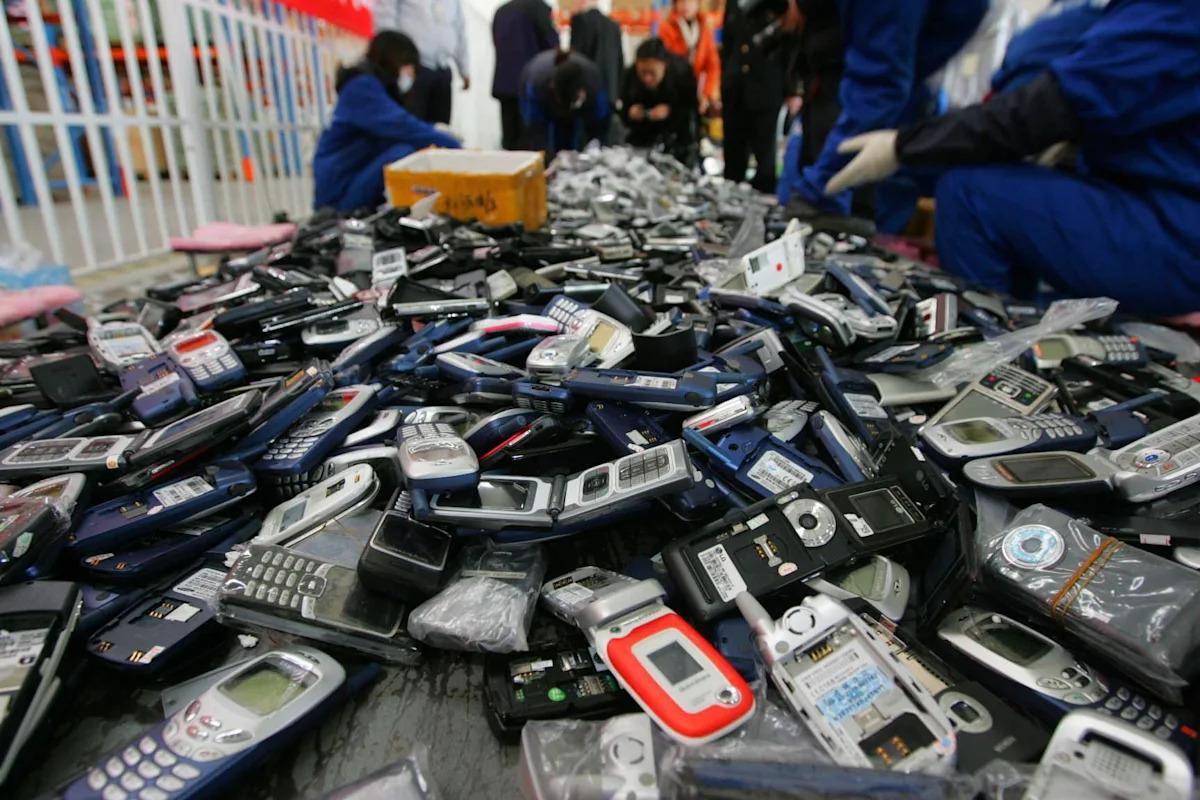
Between 2015 and 2024, the weight of new appliances sold in the EU market rose from 18,1 to 32,4 kilograms per person, an increase of 79%. This growth was particularly pronounced in large appliances such as washing machines, dishwashers, and photovoltaic panels. However, in the last two years analyzed, the quantity sold per capita remained virtually flat, suggesting a stabilization after a decade of growth.
Collection rates also increased, but at a slower pace: from 7,3 kilos per capita in 2015 to 12,3 in 2024. Compared to the previous year, the increase was 0,7 kilos per person. This trend shows that management systems are improving, although not keeping pace with the arrival of new products on the market. This gap fuels the accumulation of equipment in homes, offices, and other spaces, and also opens the door to unregulated disposal methods.
The figures vary considerably from country to country. Bulgaria led the way in collection in 2024, with 18,9 kilos per capita, followed by the Czech Republic (17,8) and France (17,7). At the other end of the spectrum are Cyprus, with 4,7 kilos; Portugal, with 6,0; and Malta, with 6,4. These differences reflect distinct collection systems, but also inequalities in the information available and in how the flows are accounted for.

Looking at the appliances placed on the market, Austria topped the list with 38,2 kilograms per capita, ahead of Germany (38,0) and Denmark (37,0). The lowest figures were recorded in Cyprus (15,4), Slovakia (17,5), and Greece (18,0). In all Member States with available data, the amount placed on the market exceeded the amount collected as waste that same year.
Spain, one of the largest gaps in the EU
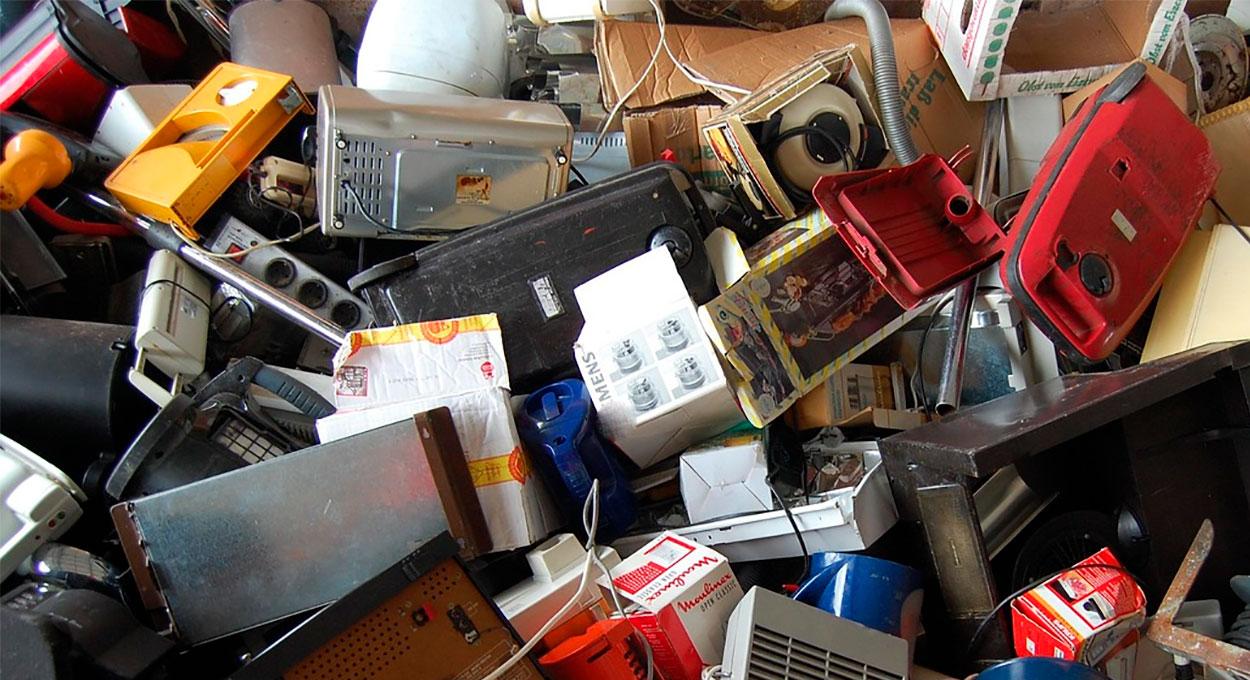
In Spain, 36 kilos of electrical and electronic equipment were sold per capita in 2024, while WEEE collection only reached 9,3 kilos per person. This difference amounts to 26,7 kilos per capita , meaning the volume placed on the market was almost four times the amount collected. This is one of the largest gaps among the countries analyzed.
Germany shows a similar pattern: 38 kilos of new equipment per person compared to 11 kilos of electronic waste collected. In both cases, the amount sold exceeded the amount recovered by more than three times. At the other end of the spectrum, Slovakia showed the smallest difference, with 6,4 kilos per inhabitant.
These comparisons should be handled with caution. An appliance bought today doesn't automatically become waste tomorrow : it can remain in use for years, be passed on to a family member, give your PC a second life , be stored away, or end up in an informal collection channel. That's why Eurostat insists that the gap between sales and collection shouldn't be interpreted as a direct failure rate, but rather as a sign of the pressure on management systems.

Why is it so difficult to account for electronic waste?
The statistics are compiled using information submitted by Member States in accordance with Directive 2012/19/EU, which aims to promote the collection, preparation for reuse, and recycling of this waste. Eurostat acknowledges that the figures may be underestimated for several reasons: cross-border e-commerce, producers who do not comply with their obligations, and waste handled in informal channels.
There are also questions about exactly what is included in the count. The category covers products that require electricity or electromagnetic fields to function, whether connected to the grid or powered by batteries. This includes everything from refrigerators, washing machines, and microwaves to mobile phones, laptops, printers, power tools, LED lights, televisions, cables, solar panels, and meters. However, certain means of transport are excluded, with some exceptions such as certain two-wheeled electric vehicles not subject to homologation.
Improving selective collection is key to recovering usable materials and preventing hazardous substances from ending up in inappropriate places. The challenge lies not only in increasing the amount collected, but also in ensuring that end-of-life appliances reach authorized facilities. Data from the coming years will reveal whether European systems are succeeding in reducing the gap between what is placed on the market and what is formally managed as waste.
Recent trends paint a clear picture: technology consumption continues to grow, and collection is progressing, but not enough to close the gap. The difference between 32,4 kilos sold and 12,3 kilos collected in the EU is at the heart of the debate , while in Spain the ratio is even more striking, with 36 kilos sold versus 9,3 kilos collected. The challenge lies in strengthening traceability, facilitating the return of devices, and designing products that are durable and repairable.

The picture painted by European data combines a greater presence of electrical and electronic devices in homes and businesses with collection rates that, although increasing, are not keeping pace. The gap between what is sold and what is recovered remains the main indicator of the challenge , especially in Spain, where the gap per capita is among the highest in the EU. Reducing this gap will require better collection channels, greater control over waste flows, and a slower rate of consumption.
Table of Contents