
The digital economy in our country is at a rather curious crossroads. On the one hand, we have a tremendous technological ambition and an ever-increasing adoption of advanced tools, but on the other, we've hit a wall: there aren't enough people to steer the ship. This lack of specialists isn't a passing problem, but a structural challenge that is hindering the competitiveness of countless SMEs and large corporations alike.
The reality is that we've become deeply involved in a race where technology is advancing at breakneck speed while academic training is crawling along . This has created a gap where vacancies in critical areas like cybersecurity or Big Data remain unfilled, not because there aren't people willing to work in these fields, but because the market demands skills that the traditional education system simply can't provide in time.

The hole in the STEM job market
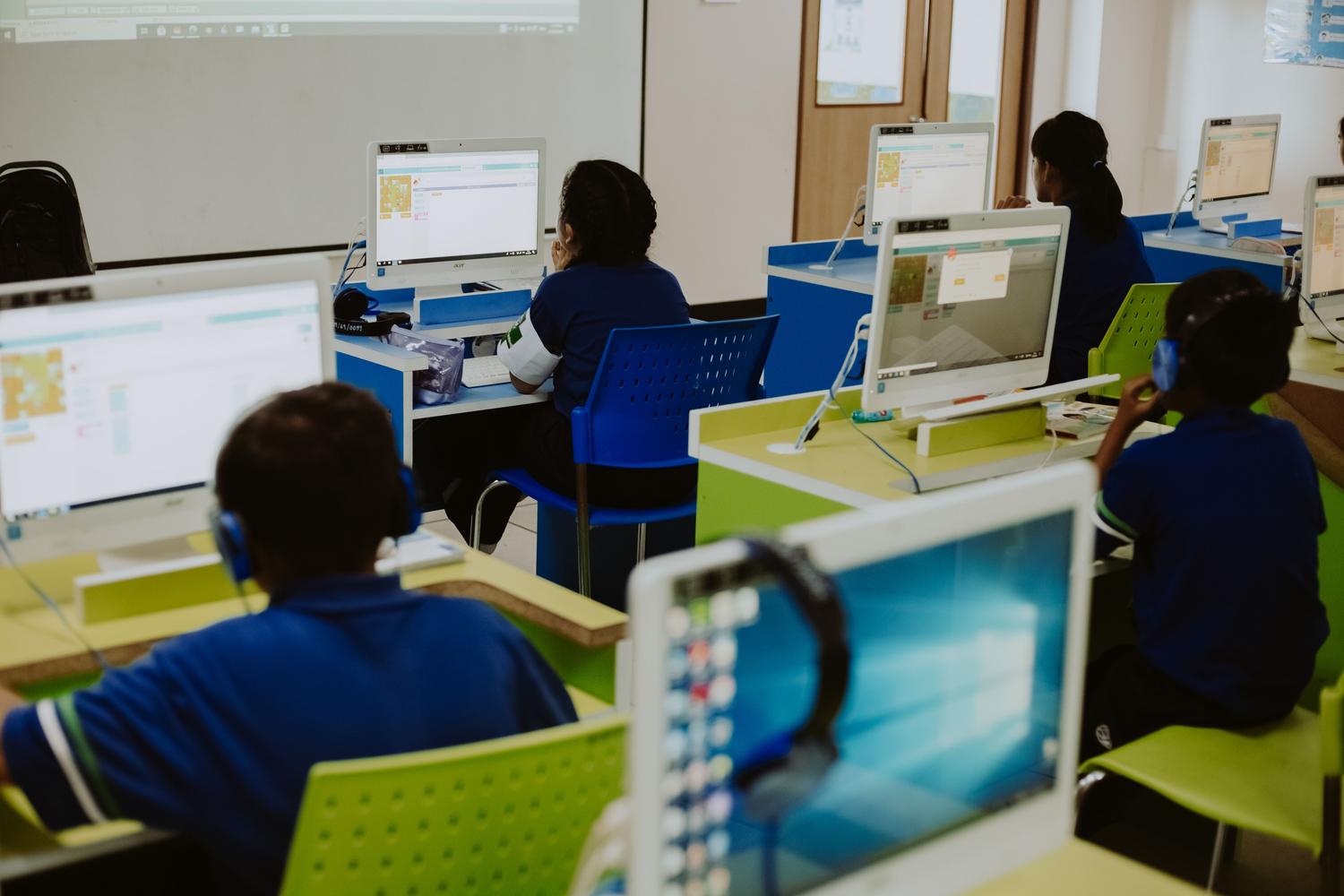
Looking at the numbers, the situation is complicated. Spain is facing a shortage of over 120.000 professionals in the technology sector. While the percentage of graduates in STEM disciplines (Science, Technology, Engineering, and Mathematics) in the European Union hovers around 26%, in Spain we fall short with 18,7%. This difference is not insignificant; it is a clear symptom that we are not sparking young people's interest in these careers or that the path to them is too rigid.
Furthermore, technical knowledge becomes outdated very quickly. It is estimated that what you learn in a technical degree program is only relevant for 3 to 5 years . This means that by the time a student finishes their studies, it is very likely that some of what they learned in their first year will already be obsolete. This mismatch, combined with training that is often too theoretical and not practical enough, means that graduates enter the real world with insufficient tools, highlighting the importance of science labs in the educational environment.
Why does talent slip through our fingers?

It's not just that not enough people are being trained; it's that those who are already trained have the whole world at their fingertips. Thanks to remote work and flexible work arrangements, foreign multinationals are poaching Spanish talent by offering salaries far exceeding what a local company can afford. This brain drain leaves national companies in a very vulnerable position.
Furthermore, we are facing what is known as "high turnover." Following the pandemic, many professionals have begun to prioritize their quality of life, seeking companies that offer four-day workweeks or a genuine hybrid model . If a company does not adapt to these new expectations, the employee will not hesitate to leave in search of an opportunity that values their personal well-being.
Critical areas and hardest-hit sectors

Not all specialties are equally affected, although the shortage of qualified professionals is widespread. IT and data analytics skills are by far the hardest to find. These are joined by artificial intelligence, cloud computing, and, of course, cybersecurity, which has become an absolute priority to prevent operational disasters.

- Logistics and Transportation: It is the hardest hit sector, with a talent mismatch of close to 84%.
- Energy and supplies: They are still very close behind with 80% difficulty filling positions.
- Finance and real estate: Although they also suffer, they are the ones who manage the situation best, at around 69%.
Strategies to avoid falling behind
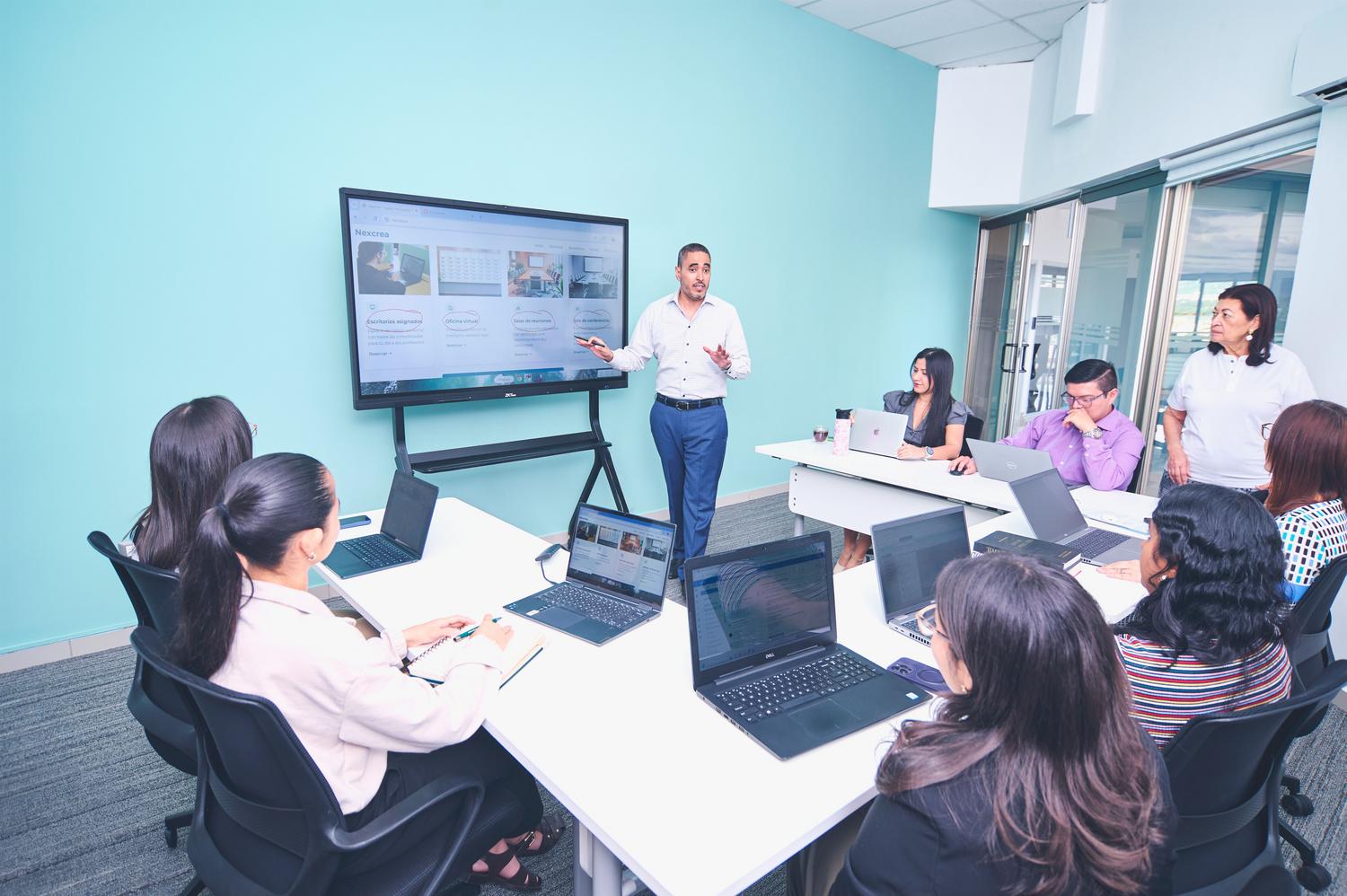
Faced with the impossibility of finding the perfect candidate on LinkedIn, companies have had to change their approach. Reskilling or professional retraining has become their lifeline: training existing employees to acquire the skills they need.
To achieve this, more innovative approaches are being implemented, such as hackathons, team challenges, and digital "playgrounds" where employees can experiment without fear of failure. Furthermore, significant emphasis is being placed on soft skills , such as empathy and problem-solving, which are abilities that AI cannot replicate and are best fostered through mentorship and human interaction.
AI as an ally in talent management
The paradox is that the same AI that generates demand for professionals is also helping to solve the shortage. Currently, tools exist that can evaluate workforce performance and pinpoint exactly which skills are lacking . This allows for the creation of highly personalized learning paths, blending a general foundation with specific job requirements.
Even in traditional sectors such as law firms or consultancies, AI is supporting humans in repetitive tasks, allowing employees to focus on providing context and interpretation of results, which is where the true added value of the expert worker lies.
Customer loyalty is the new recruitment
Today, retaining a good programmer is far more cost-effective than trying to hire a new one. That's why Human Resources departments are focusing most of their efforts on employee retention. They are implementing aggressive benefits packages and genuine flexible work schedules that allow for a better work-life balance.
The focus has shifted from pure recruitment to creating a culture of growth and curiosity. Providing resources for external certifications and encouraging employees to participate in European open-source industry communities not only enhances the team's technical skills but also fosters a sense of loyalty to the organization that supports their personal development.
Closing the technological gap in Spain requires a coordinated effort between universities, which must adapt their curricula to the business reality, and companies that understand that talent is not only bought with money, but is cultivated internally and retained by offering a human, flexible and stimulating environment.
Table of Contents