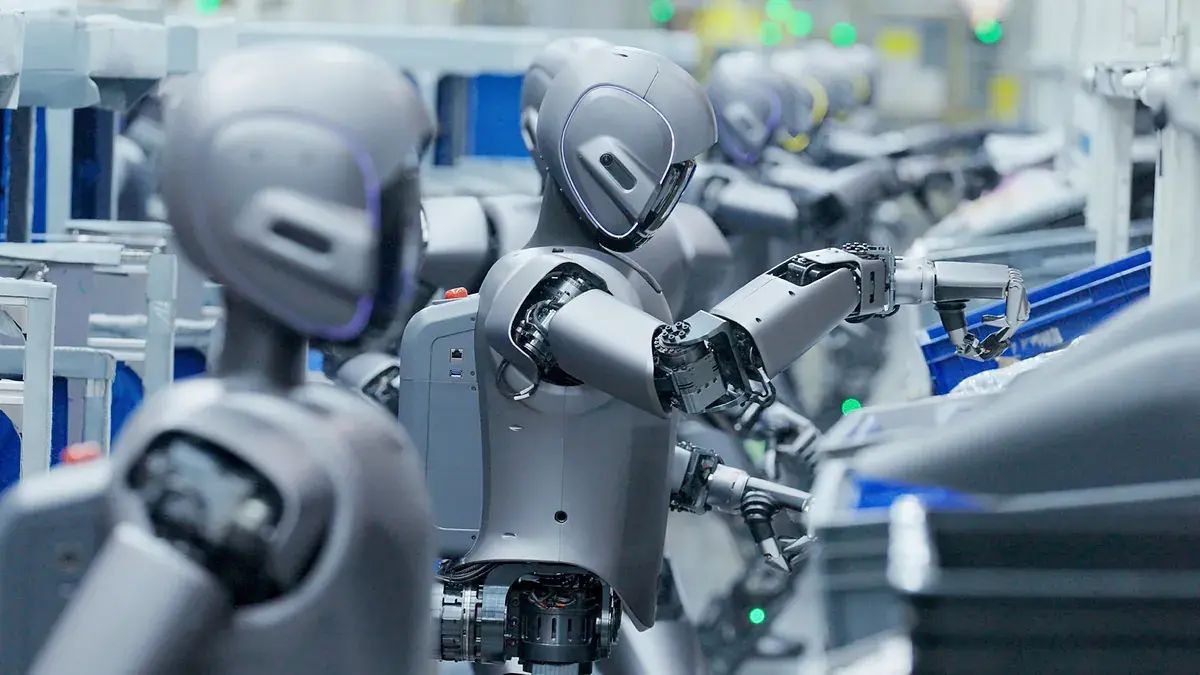
What until recently seemed like a scene from a science fiction film is becoming commonplace in the most advanced production centers. Human-like robots have gone from being mere curiosities dancing or performing acrobatics in viral videos to putting on work clothes. This radical shift responds to a pressing need for companies to fill positions that, whether due to their danger or the repetitive nature of the tasks, have fewer and fewer candidates willing to endure the physical strain they entail.
In Europe and among the leading technological powers, the investment in embedded artificial intelligence is gaining astonishing momentum. It's not just about introducing faster machines, but about integrating systems that can move and operate in spaces originally designed for people without requiring a complete overhaul. Things are getting serious, and the major companies in the sector are no longer discussing whether it will happen, but rather how quickly they can scale production in this new global race for humanoid robots to make these metal and software assistants profitable.
The leap from laboratories to assembly lines
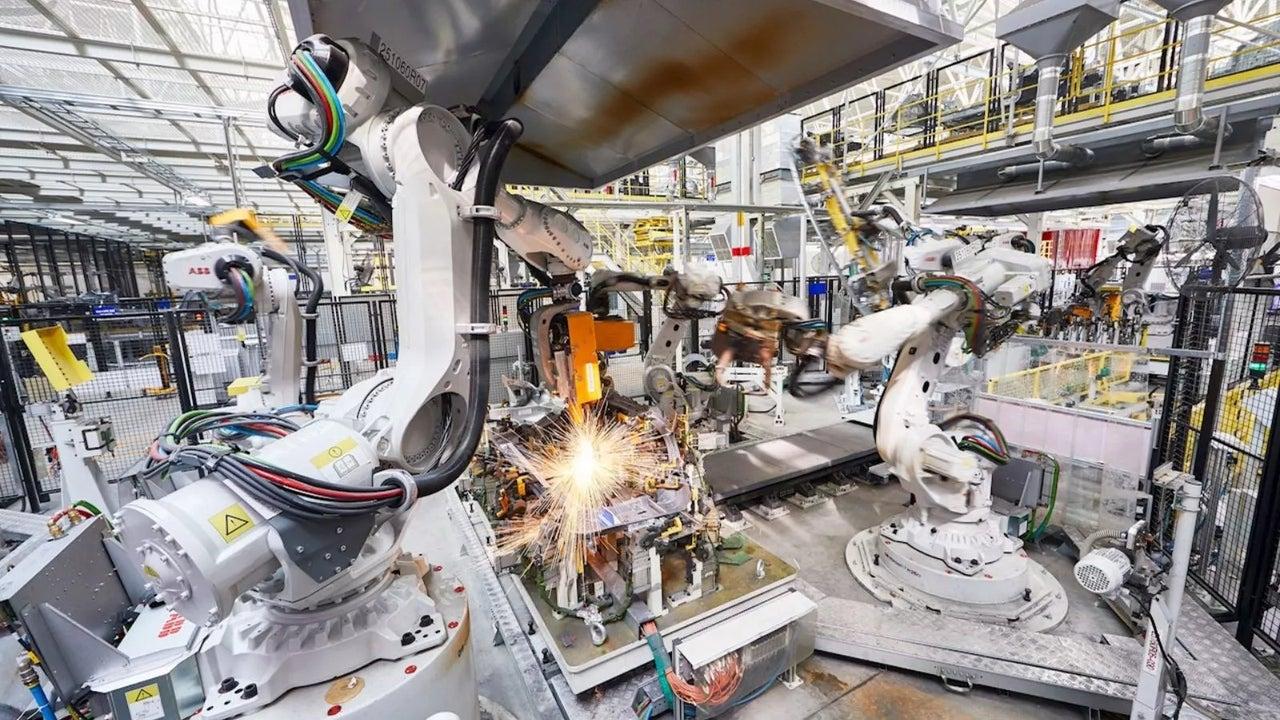
The industrial landscape is undergoing a transformation that some experts compare to the Industrial Revolution itself. Renowned brands are deploying articulated arms and complete humanoid robots for precision tasks such as screwing or sorting parts. The great advantage of these new workhorses is their versatility; unlike traditional robots that are anchored to the floor, current models can learn new functions by mimicking human movements, which greatly facilitates their reprogramming for different orders.
The figures handled by financial institutions have surged significantly in recent months. It is estimated that the volume of shipments of these units could reach 50.000 units annually very soon, demonstrating that the market has moved from the testing phase to full-fledged commercial deployment. Logistics companies operating in Spain and the rest of Europe are already eyeing these advancements to optimize their warehouses, taking advantage of the fact that 78% of Spanish companies already integrate robotics , especially where the movement of boxes is constant and requires an agility that only an anthropomorphic design can provide with ease.
The struggle for industrial leadership and employment
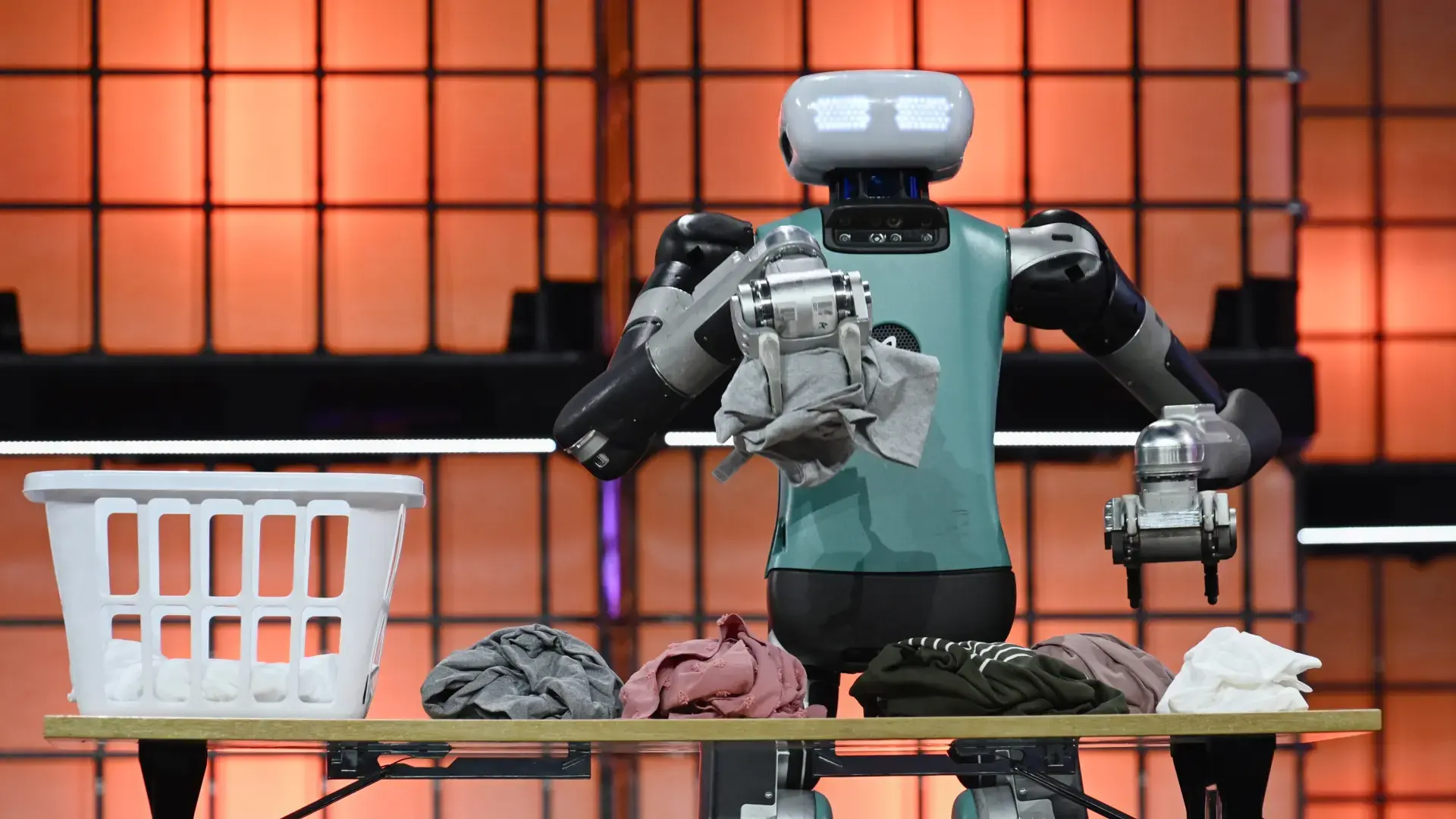
Despite investor enthusiasm, all is not well. The massive implementation of robotic technology has stirred up controversy in sectors where the human workforce fears being left high and dry. Recent cases in the automotive industry, where BMW is betting on humanoid robots to manufacture cars , illustrate a growing tension: while dozens of state-of-the-art robots are being installed, thousands of workers see their jobs hanging in the balance after periods of temporary layoffs that remain unresolved. This clash of interests raises the dilemma of whether technology will free humans from arduous tasks or ultimately displace them from the labor market.
In Asia, the concept of dark factories, where there's hardly any need to turn on the lights because there are no humans working on the production line, is already a reality that is beginning to emerge in the West. However, experts warn that completely eliminating human oversight has its risks, as machines may take longer to detect subtle flaws that an experienced operator would spot immediately. Furthermore, cybersecurity becomes a critical issue when the entire workforce depends on a network connection and algorithms that could be vulnerable to external attacks.
Safety and technical challenges in the workplace
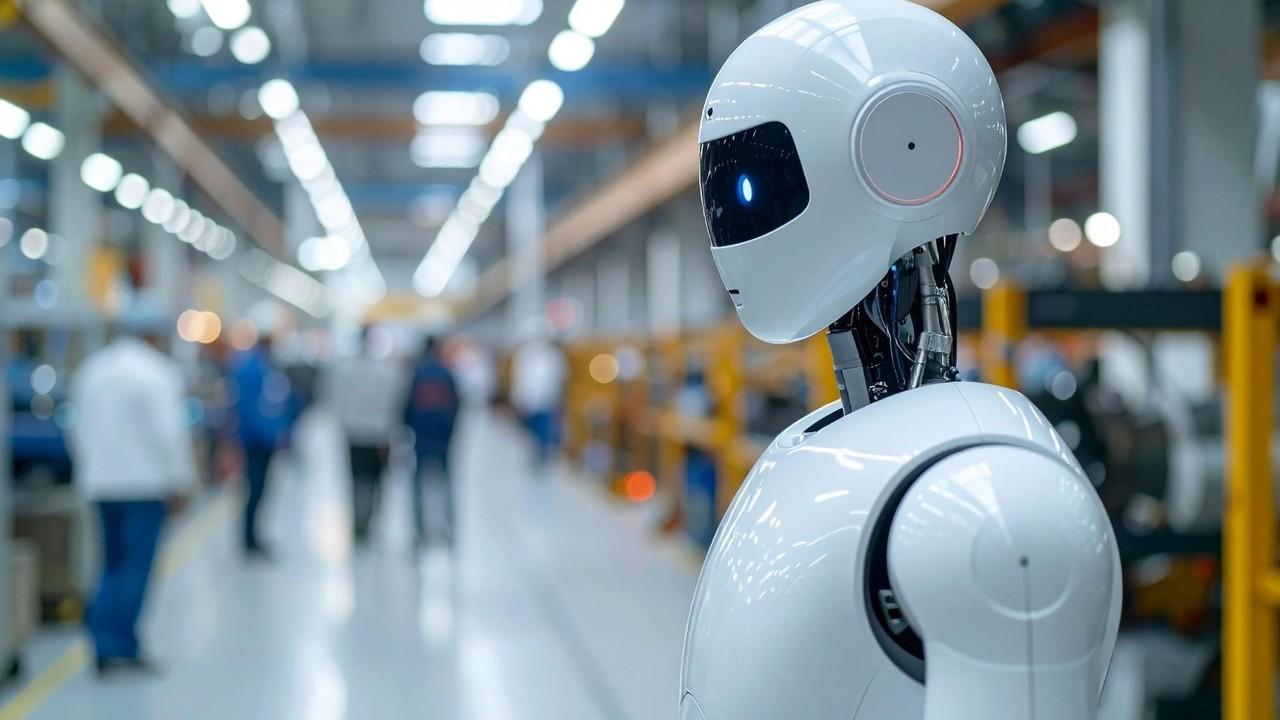
One of the biggest challenges for engineers today is ensuring that these steel behemoths can coexist safely with people. Until now, robots have typically been kept in cages or behind physical barriers, but the new generation of humanoids aims to work side-by-side with employees without the need for additional protection. To achieve this, autonomous control systems are being developed for industrial robots, based on advanced software that allows the machine to react instantly to any unexpected movement by a human colleague.
Battery life and manual dexterity remain the areas where the greatest challenges are needed. Getting a robot to handle delicate objects with the same ease as humans is no easy feat and requires a massive amount of training data, similar to how Google is deploying Gemini in factories with Boston Dynamics robots . Even so, progress is constant, and models already exist that can operate for most of the day with ultra-fast charging, ensuring uninterrupted production and a steady pace of work without the frequent stoppages of the past.
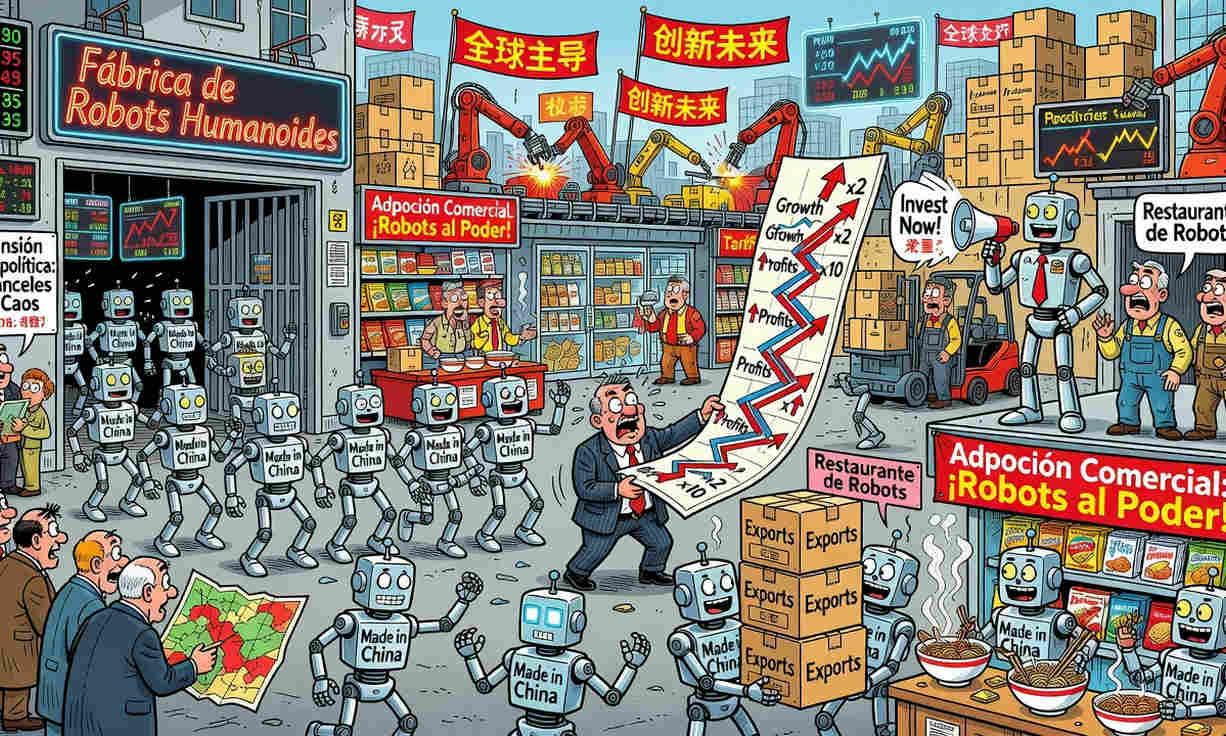
This scenario of accelerated automation presents a future where collaboration between machines and humans will be the norm, not the exception. Although demographic challenges and labor shortages are pushing companies toward the use of humanoids, the key to success will lie in finding a balance that allows for improved productivity without neglecting social cohesion or the training of current workers. The technology is ready to be deployed en masse, and it remains to be seen how society will adapt to these new and tireless colleagues who are here to stay at the heart of our factories.
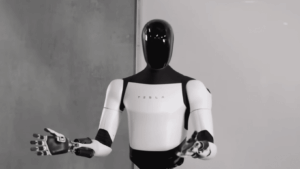
Table of Contents