
Artificial intelligence doesn't just reside in the cloud; it also exists in enormous physical facilities that consume energy and resources relentlessly. These data centers have become the backbone of the technological boom, attracting unprecedented investment. Behind every query to a virtual assistant or every trained model, there are rooms filled with servers that require constant electricity and cooling systems to prevent overheating.
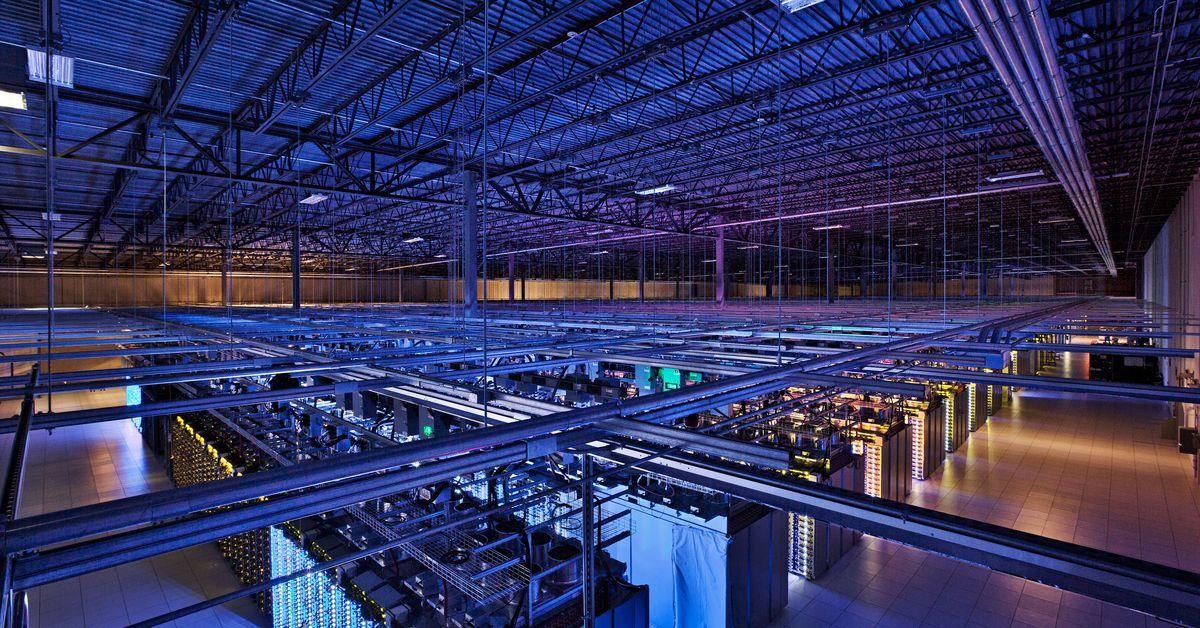
Growth is unstoppable, but it also poses challenges in terms of energy, water, and operational risks . Meanwhile, Spain is emerging as one of the preferred destinations for hosting this infrastructure, with multi-million euro projects underway and an increasingly important role on the European computing map.

An unprecedented investment
The figures the industry is dealing with are staggering. According to several reports, global annual investment in data centers will jump from $500 billion in 2024 to over $1 trillion in 2027. Other projections point to a compound annual growth rate of 17% between 2025 and 2030, reaching nearly $1,6 trillion annually. This money goes not only toward building the facilities themselves, but also toward the technology they house, such as the graphics processing units (GPUs) needed for artificial intelligence.

Nvidia, the leading supplier of these chips, has announced agreements with six of the world's largest asset managers (Apollo, BlackRock, Blackstone, Brookfield, Goldman Sachs, and KKR) to mobilize more than $500.000 billion to finance data centers and computing capacity. This alliance transforms AI infrastructure into an investable asset class, similar to oil platforms or power plants. The idea is that this processing capacity will generate long-term income, allowing investors to participate in that flow.
Risks and insurance: protecting critical assets
With so much investment, protecting these facilities has become essential. The global data center insurance market is projected to double, growing from approximately $11.000 billion today to over $24.000 billion by 2030 , according to research by Allianz Commercial. This figure reflects the increase in insured values and the growing complexity of risks. Fires account for more than half of the losses, with claims exceeding €700 million. Floods, leaks in cooling systems , and business interruptions are also common occurrences.

The concentration of interdependent infrastructure exacerbates the problem. A single catastrophic event can trigger multiple policies and result in losses of between $50 million and $100 million in hyperscale facilities. Lenders and investors now demand robust insurance programs during construction and operation, making insurance a key component of project financing.
Spain, the new European hub
Spain has become one of the preferred destinations for building this infrastructure. The installed computing power in Spanish commercial data centers reached 439 megawatts at the end of 2025 , 24% more than the previous year, and could reach 2.537 megawatts by 2030. The cumulative investment planned is €66.900 billion by the end of the decade, with an estimated annual contribution of €7.300 billion to GDP.
Projects like Amazon's thirty data centers in Aragon , representing an investment of €33.700 billion, or Meta's center in Talavera de la Reina, which has reduced its water consumption following environmental concerns, demonstrate the scale of this expansion. Telefónica, for its part, is converting old telephone exchanges into distributed computing nodes, a less invasive option that leverages buildings already connected to the network. The combination of available land, renewable energy, and submarine cables places Spain in a privileged position, although it also creates tensions regarding water and electricity use.

Financing as a driving force
The key to sustaining this growth lies in capital. Nvidia has taken a further step by creating financing platforms with asset managers like BlackRock and Goldman Sachs, which will allow clients to access processing power without having to pay the full amount upfront. These partnerships, still subject to final agreements, aim to make computing a bankable asset , with attractive terms for AI labs, businesses, and cloud providers worldwide.
The decision to treat GPUs as long-term assets is crucial. If the hardware retains its value for longer, financing based on that equipment becomes more viable. This strategy not only accelerates the deployment of new centers but also opens the door for institutional investors to participate in a sector that promises sustained returns for years.
Everything indicates that the race for artificial intelligence will not slow down. Investments are colossal, risks are managed with increasingly sophisticated policies, and Spain has earned a prominent place on the European map. The infrastructure that supports AI is transforming the landscape , and the question is no longer whether data centers will arrive, but how they will be integrated into the environment without depleting the resources they require. The cloud has a very tangible footprint, and the future of this technology will depend on our ability to manage it effectively.
