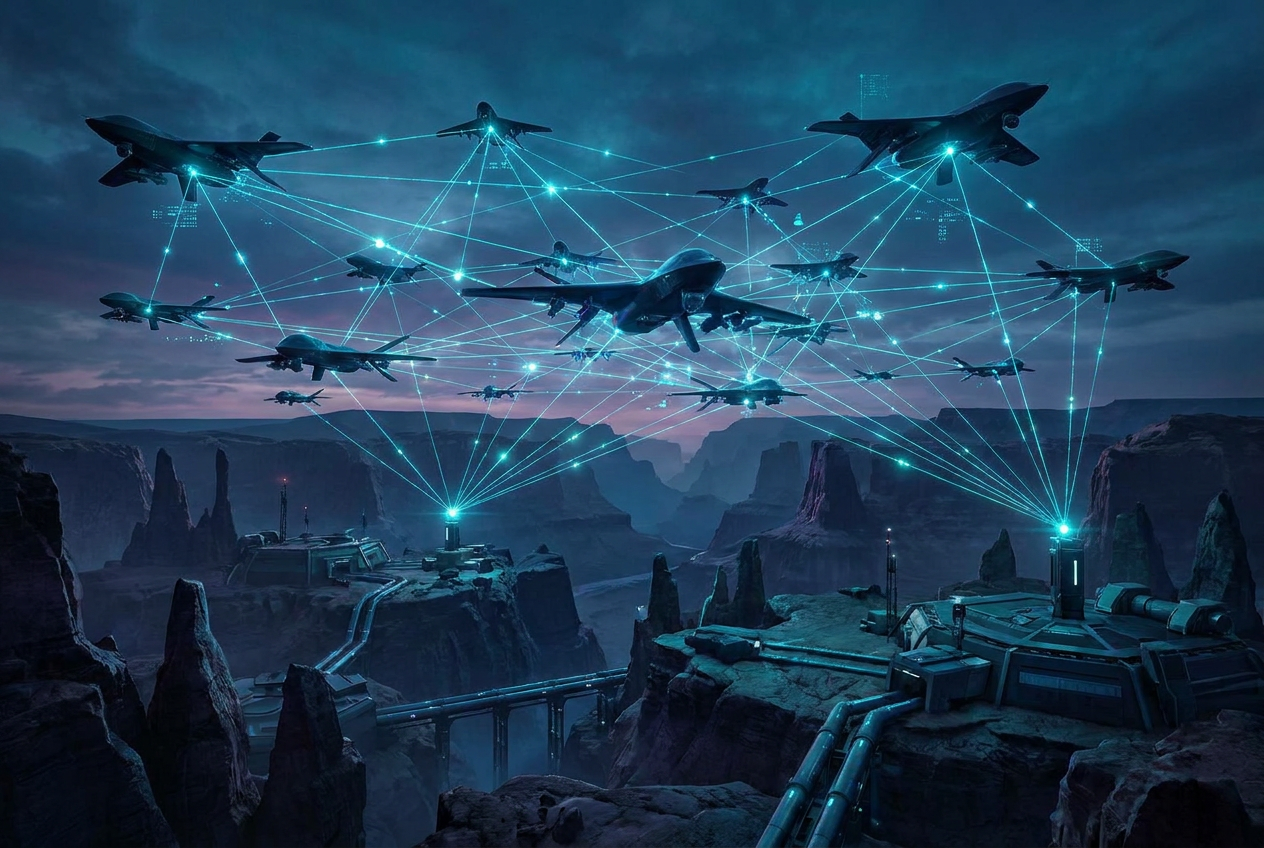
If someone had said a few years ago that we would see robots taking up military positions without a single soldier setting foot on the ground, we probably would have thought it was science fiction. Well, reality has caught up with us, and algorithmic warfare is already here, completely transforming the way armies understand combat, especially in hotspots like Eastern Europe and the Middle East.
We're no longer just talking about theories or prototypes in a lab, but about real operational capabilities . From munitions that choose their own routes to swarms of drones coordinated without anyone pressing a button, autonomous software has become the key piece on the geopolitical chessboard. In this sense, whoever controls the code will control the battlefield.

Dynamics and catalysts of the technology market
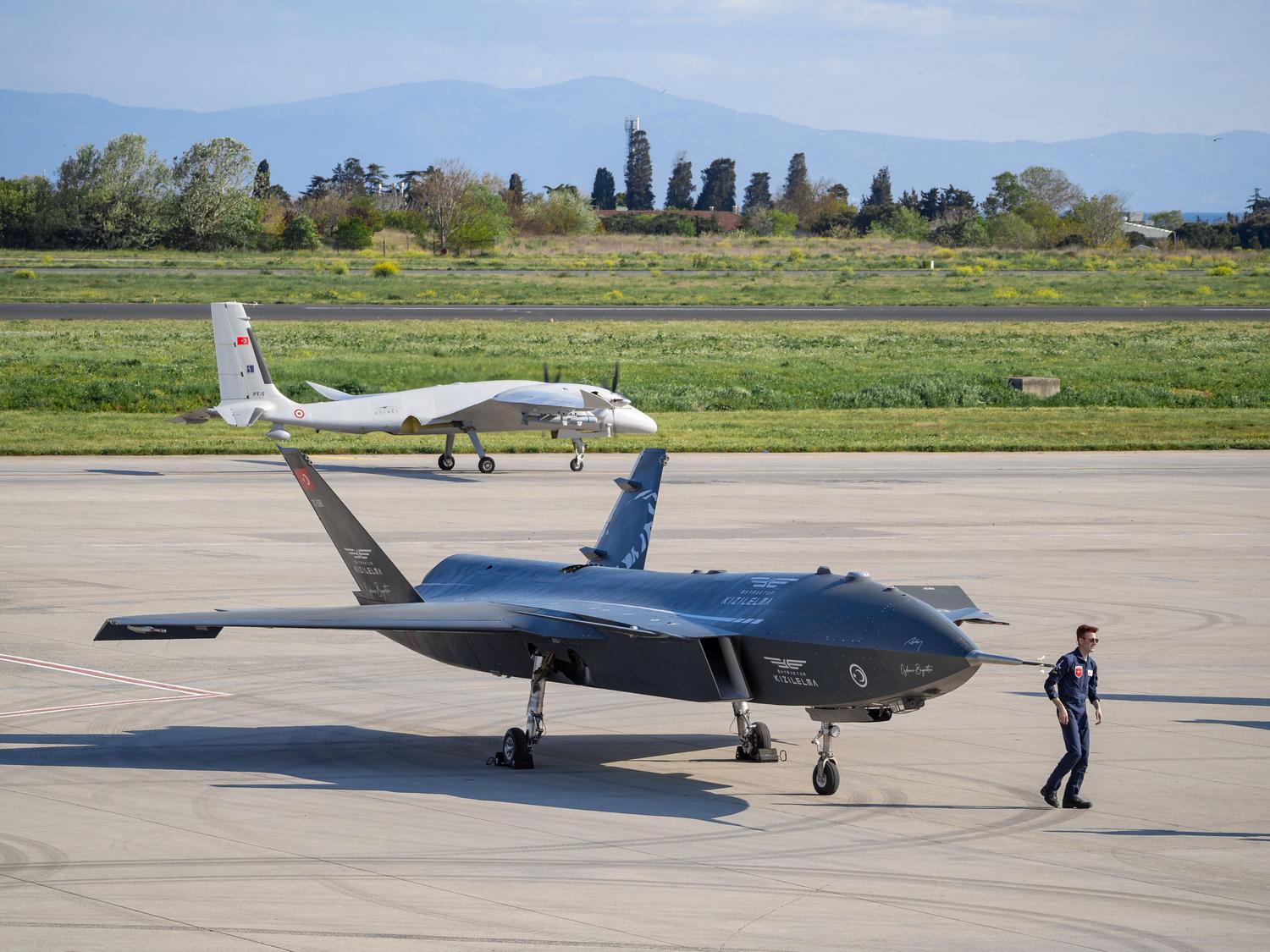
The demand for software has skyrocketed as AI applications have gone from promising technologies to everyday tools. A prime example occurred in early 2026 when the Ukrainian firm DevDroid released footage of soldiers surrendering to an AI-controlled robot, a milestone demonstrating the viability of ground-based autonomy. Furthermore, V2U munitions have shown that modern software can deviate from planned routes to form autonomous waiting patterns, sending defense ministries into a frenzy as they desperately seek systems capable of countering these threats.
In the United States, the Pentagon has made its move with the Replicator initiative. The first phase focused on filling the skies and ground with disposable systems, but they realized that the problem wasn't the technology; rather, bureaucracy and budget cycles were a hindrance. Therefore, with Replicator 2, the focus has shifted to defense against small unmanned aerial vehicles (SUAVs) , awarding contracts for interceptors like the DroneHunter F700, which uses sensor fusion and radar to autonomously hunt enemy drones.
Priority architectures and technical needs
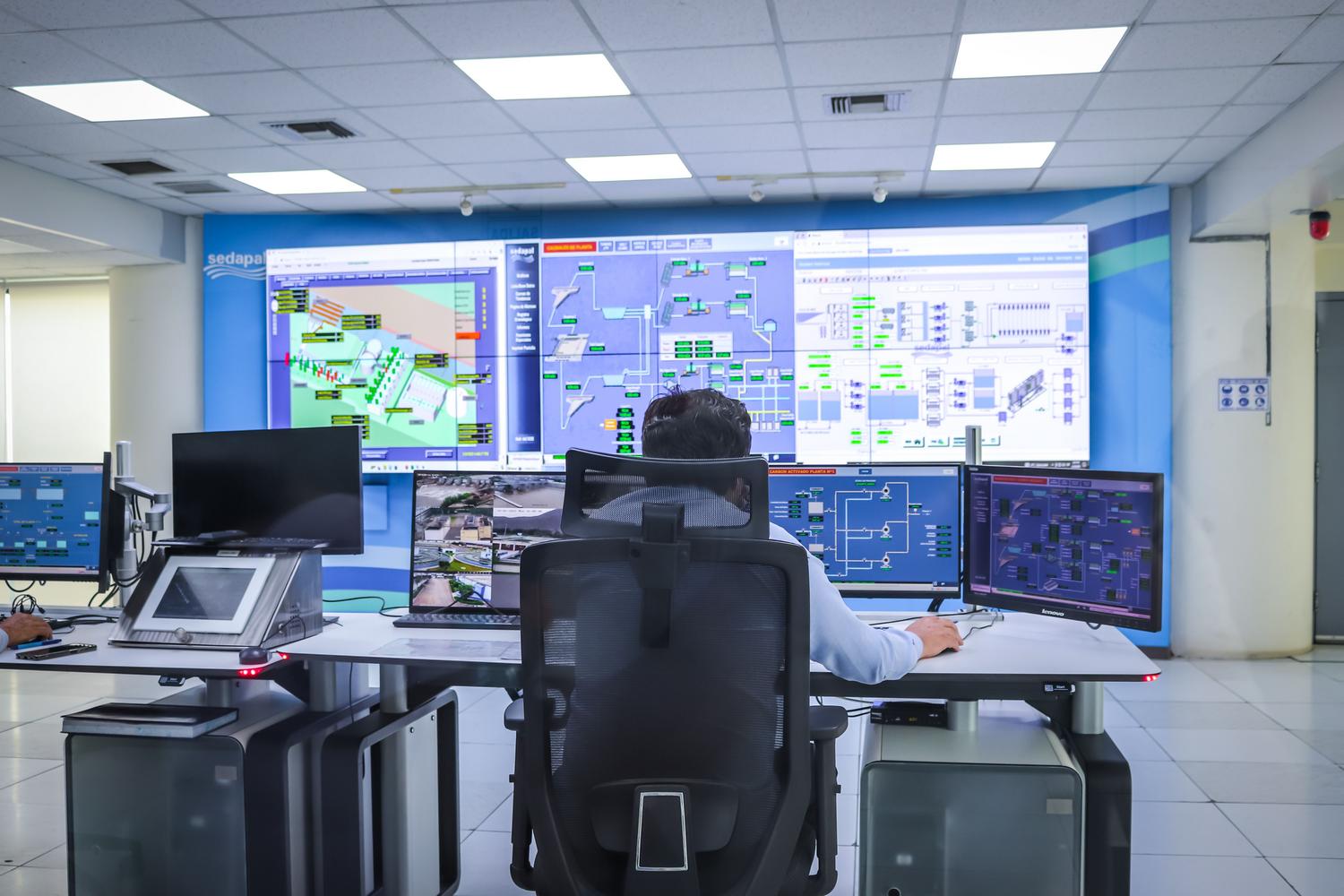
Although technology allows a machine to choose a target on its own, this is not something that is taken lightly in the West. The HITL (Human-in-the-Loop) model is preferred, ensuring that a human is always responsible for lethal decisions to avoid political and ethical complications. To avoid dependence on a single company, modular architectures like the U.S. Air Force's A-GRA are being implemented, which allows the same software to be used on aircraft from different manufacturers.
- Edge AI: It is fundamental for processing data on the device itself without depending on a central cloud, something vital when there is signal interference or electronic warfare.
- Process orchestration: Tools are being sought that can unify fragmented sensor data and convert it into a single, coherent whole. single operating image for the controller.
- Advanced Deployment Engineering (ADE): Programmers are now going into the field with the military to adapt AI to old networks and incompatible databases, bridging the gap between theory and practice.
Analysis of the industry giants
The market is dominated by a few players who have understood the game. Anduril Industries stands out with its Lattice OS system, an expert in swarm behavior and sensor fusion. Meanwhile, Shield AI has created Hivemind, which essentially functions as a virtual AI pilot capable of flying in areas without GPS. Palantir, with its AIP and Gotham platforms, has become the data brain that transforms the noise of intelligence into actionable information.
We cannot forget the classic integrators. Lockheed Martin uses its MATRIX system to give autonomy to older aircraft, while RTX (Raytheon) focuses on autonomous perception and electronic warfare . Recently, we have seen advancements such as Applied Intuition's "Autonomy Factory" for the Pentagon and Shield AI's X-BAT aircraft, which is completely independent of runways.
Segmentation by domains and regions
Looking at where the money is going, air superiority reigns supreme, absorbing nearly 45% of R&D investment. Collaborative combat aircraft (CCAs) demand millisecond-level decision-making to survive. As for applications, ISR (Intelligence, Surveillance, and Reconnaissance) dominates the market, as AI processes data from satellites and drones fifty times faster than any human analyst, eliminating cognitive fatigue.
Geographically, North America leads the way thanks to massive US budgets, controlling over 40% of revenue. However, Asia-Pacific is the region experiencing explosive growth due to tensions in the Indo-Pacific. China is investing billions in autonomous submersibles and swarms of robots , while Australia and Japan are modernizing their fleets under the AUKUS framework to ensure algorithmic interoperability.

The European landscape and digital sovereignty
In Europe, things are taking a different path: strategic autonomy. Governments no longer want to rely blindly on the US and are prioritizing EU-based software to prevent classified data from ending up in foreign jurisdictions. The European Defence Fund is releasing billions for C4ISR and cyber defense projects, while NATO is launching challenges like "Persistent Airfield Denial" to find ways to block adversary airfields using autonomous systems.
Companies like Thales, Leonardo, and Helsing are leading this transformation. In Spain, Indra is accelerating drone programs and implementing tools like GitHub Copilot to improve code efficiency by 30%, applying AI not only to the final product but also to the engineering process itself. AI is permeating everything: from Logistics 4.0 to extend the lifespan of armored vehicles to the creation of multi-domain combat clouds that coordinate air, sea, and land operations in real time.

Operational and regulatory aspects
Developing defense software is not like creating a delivery app. It requires personnel with national security clearances (such as NATO Secret) and isolated development environments. Costs are high; a certified developer can cost up to 50% more than a commercial one, and classified infrastructure adds a considerable surcharge. Furthermore, there is a shift from manual control to human oversight , treating drones as high-wear assets.
The integration of AI into global defense has ceased to be an option and has become a necessity for survival. The combination of intelligent command systems , the fight against technological dependence through digital sovereignty, and the deployment of autonomous swarms defines the new era of national security. This ecosystem, where industrial giants and disruptive startups coexist, is shifting the axis of military power toward processing power and code agility , ensuring that information superiority is the key to winning any future conflict.