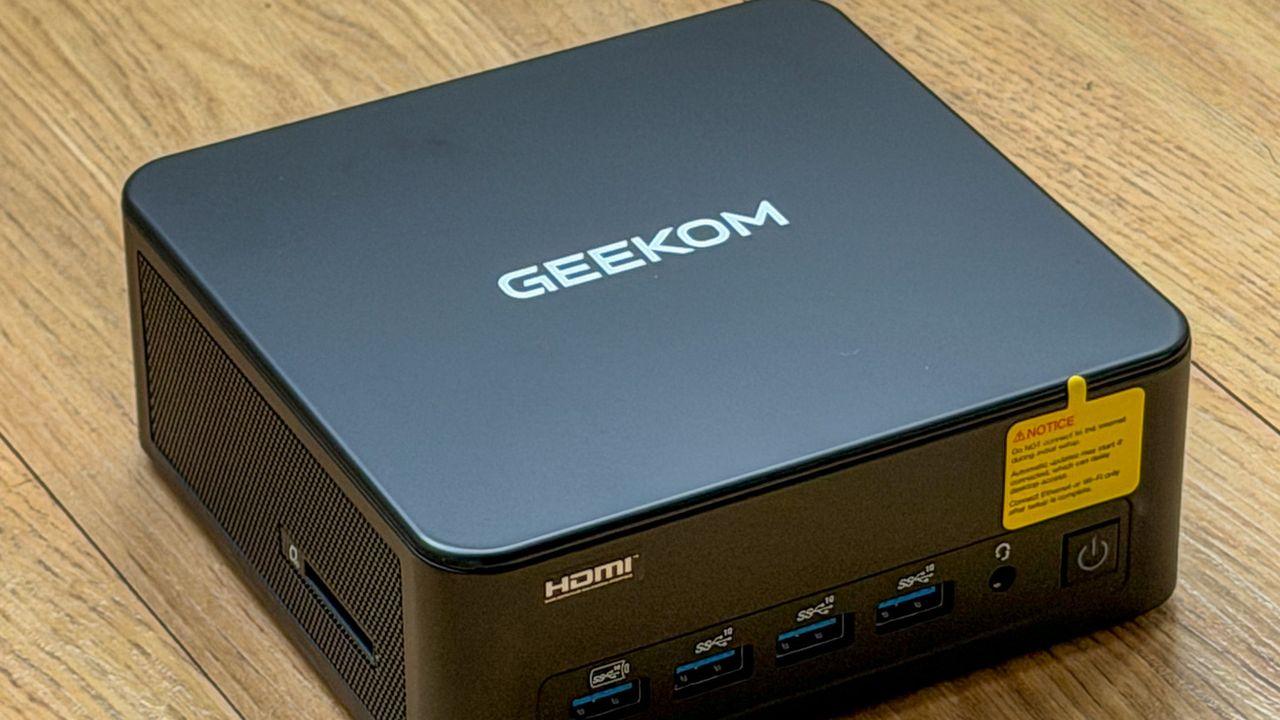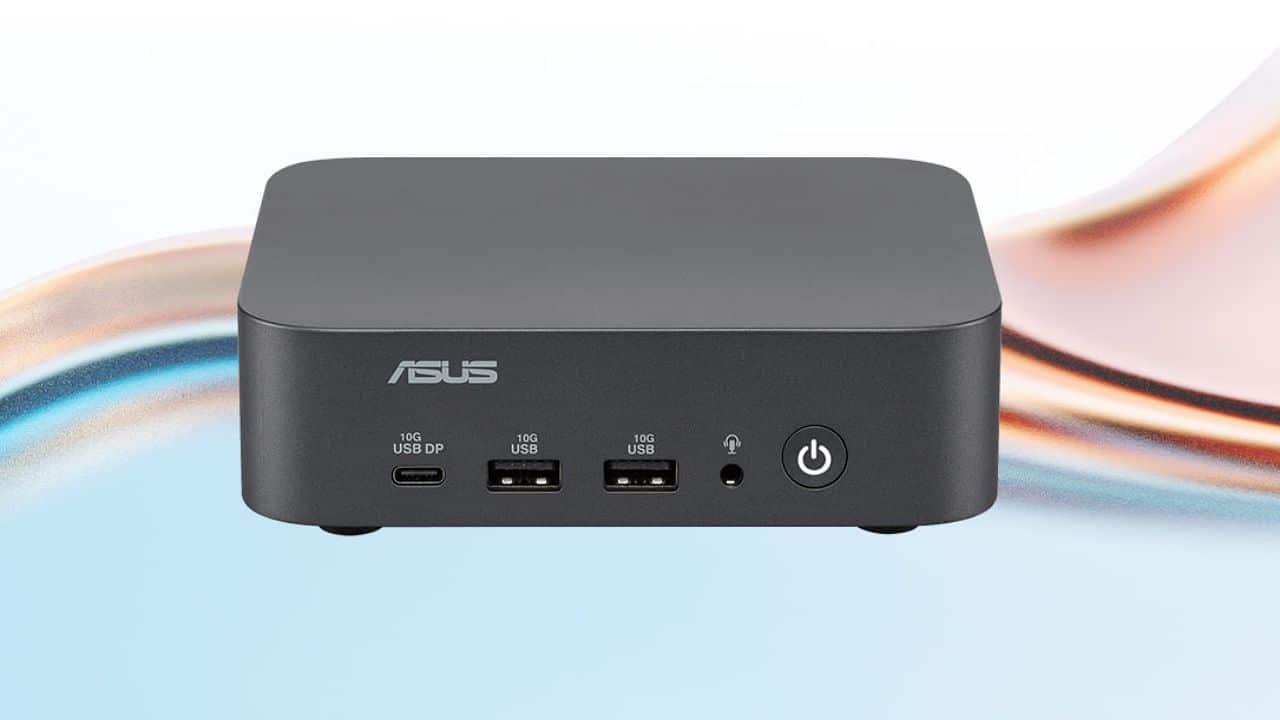
The market for small form factor computers is booming. More and more users are choosing these machines to free up desk space without sacrificing performance. Mini PCs have evolved from simple office terminals into workstations capable of handling demanding tasks, from video editing to artificial intelligence. In recent weeks, several manufacturers have unveiled new models that confirm this evolution, featuring the latest generation processors, high-speed connectivity, and, in some cases, dedicated neural processing units (NPUs).
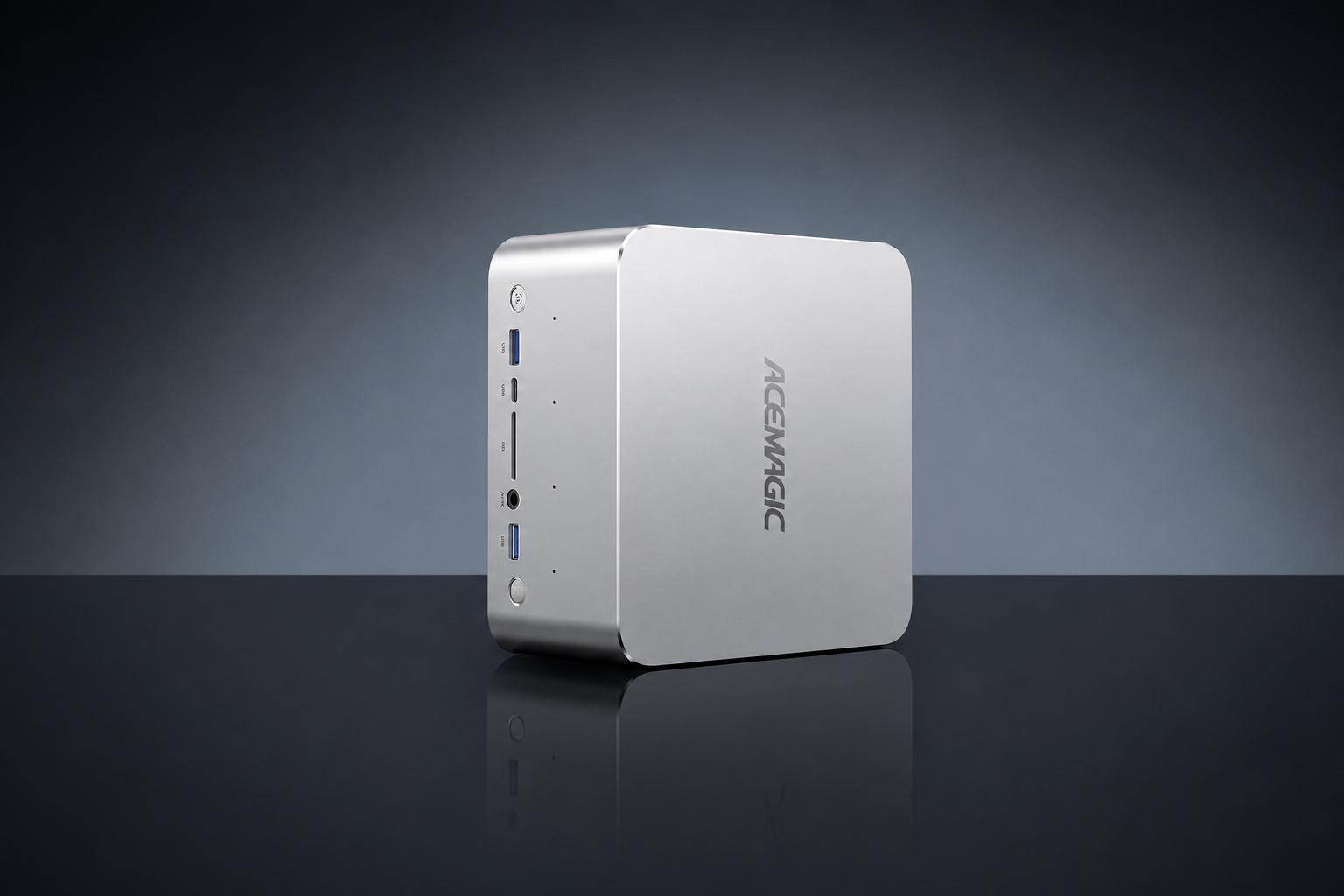
Specifically, the Acemagic F9A has garnered attention for its focus on local language model inference . This machine, for which two separate announcements have already been published, integrates the AMD Ryzen AI MAX+ 395 and promises to run models with up to 120.000 billion parameters without relying on the cloud. But it's not the only one: other releases, such as the ASUS VM31 and the MSI Cubi 5 1M, reinforce the idea that the compact form factor is the present and future of personal and professional computing.

New models for teleworking and the office
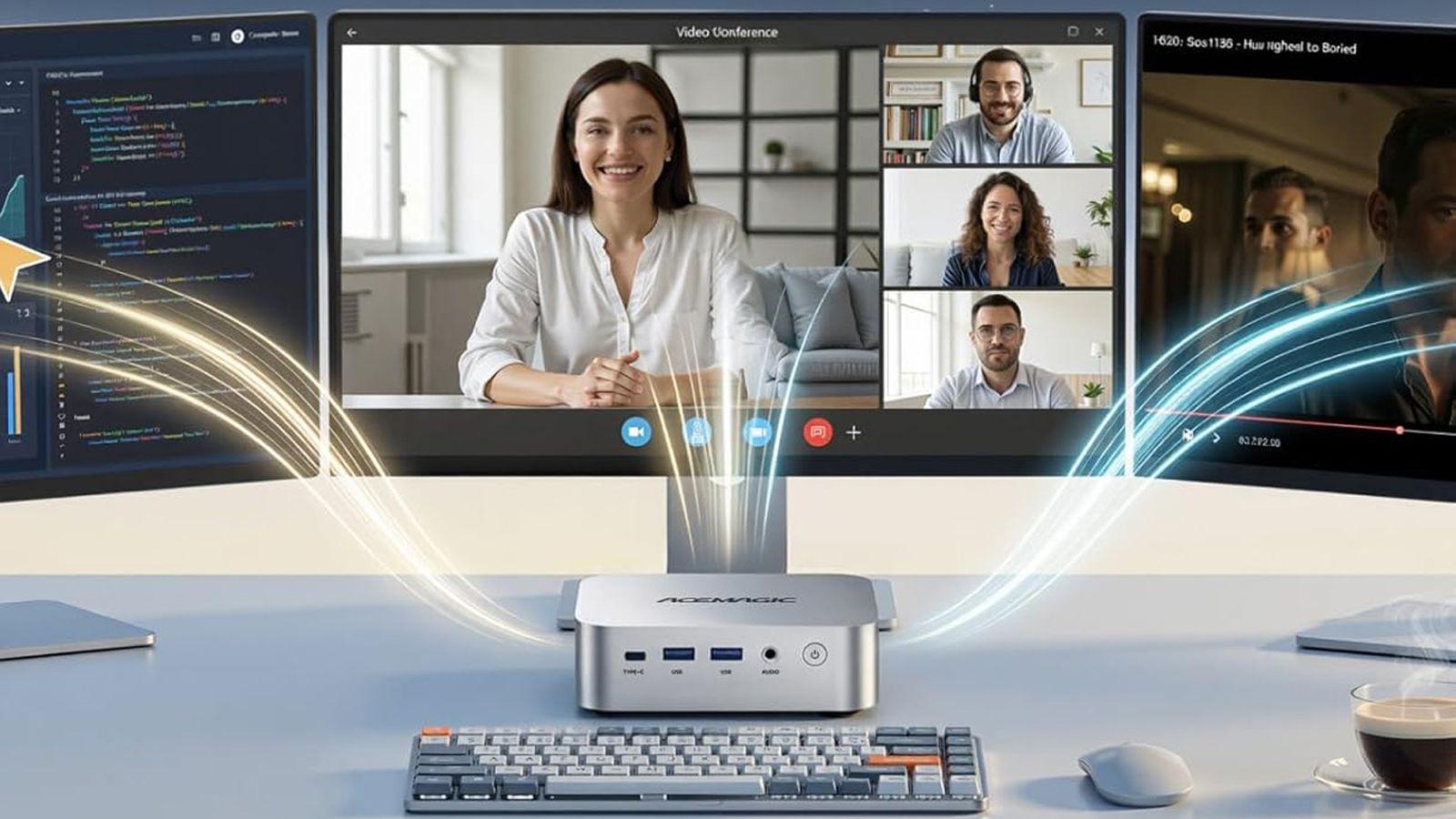
Office applications and remote work remain the primary market for mini PCs. Devices like the ASUS VM31 and the ACEMAGICIAN K1 are now available in Europe with AMD Ryzen processors, 8GB of RAM, and SSD storage—enough for web browsing, office suites, and video calls. Their size, around 0,5 liters, allows them to be mounted behind a monitor using a VESA mount, completely freeing up desk space. Furthermore, most of these models support up to three or four simultaneous displays thanks to HDMI, DisplayPort, and USB-C outputs with video mode—a highly valued feature in productivity environments.
Artificial intelligence comes to mini PCs
The Acemagic F9A represents a significant leap forward, a two-liter mini PC designed specifically for AI workloads. It features the AMD Ryzen AI MAX+ 395, a 16-core Zen 5 processor with RDNA 3.5 graphics and a 50 TOPS XDNA 2 NPU , achieving a total performance of 126 TOPS. This allows for the local execution of large language models, such as DeepSeek-R1-671B, without the need for external servers. The unified LPDDR5X-8000 memory, configurable up to 128 GB, is shared between the CPU, GPU, and NPU, eliminating data transfer bottlenecks.

The F9A also includes an Oculink port with PCIe 4.0 x4 bandwidth , significantly higher than Thunderbolt 4, for connecting external desktop graphics cards. This feature, also found in other mini PCs like the GMKtec K12, allows for upgrading graphics performance without upgrading your computer. In addition, it has two USB4 ports at 40 Gbps, capable of handling external NVMe storage and up to four 8K monitors independently.
Connectivity and expansion: the Oculink port gains prominence
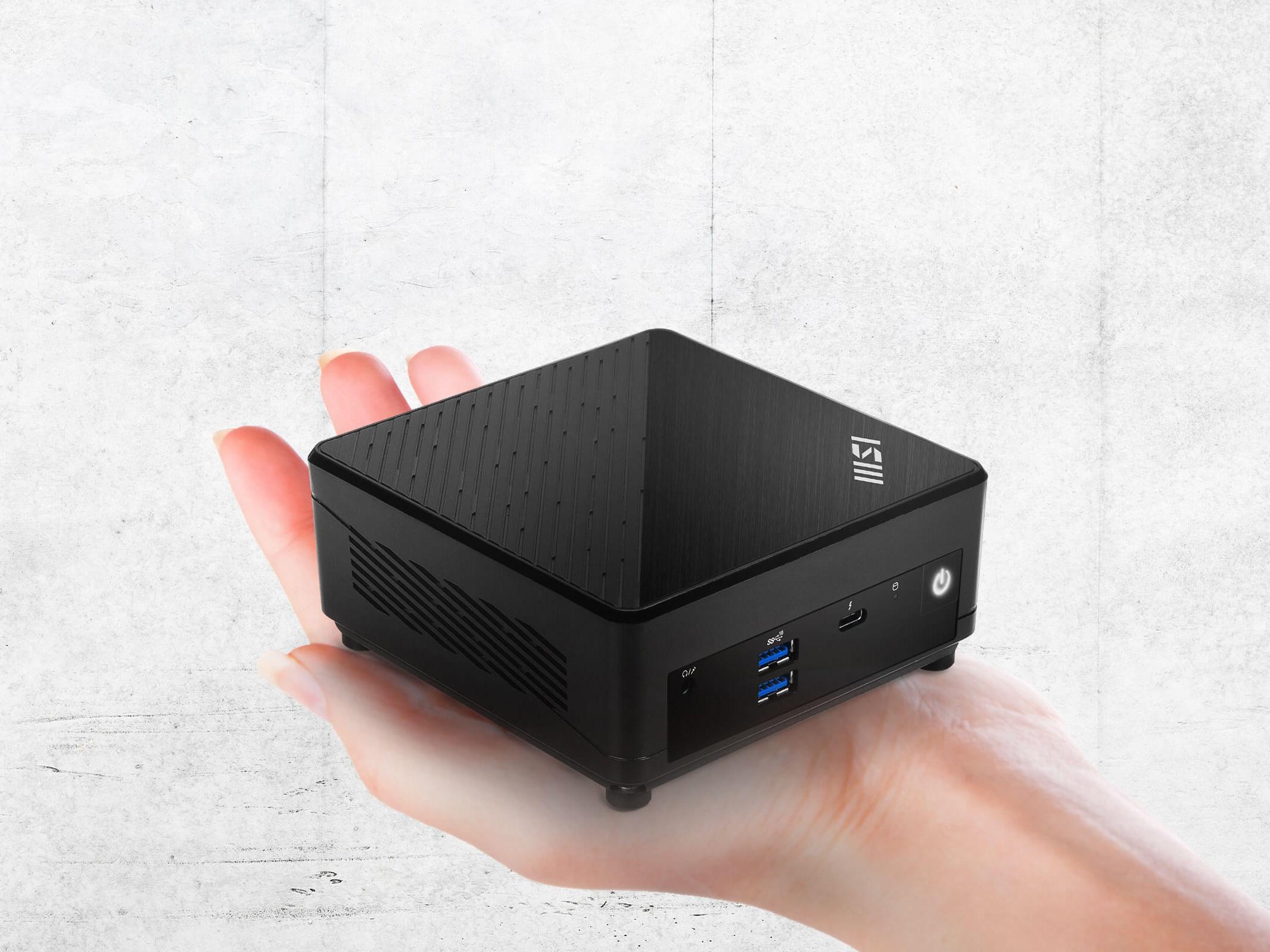
The presence of the Oculink port on several recent models marks a clear trend. This connector offers dedicated bandwidth for eGPUs without the limitations of USB or Thunderbolt connections , which is crucial for tasks such as 3D rendering, 8K video editing, or inference of large models. On the Acemagic F9A, the Oculink is complemented by two 2,5GbE Ethernet ports, Wi-Fi 7, and Bluetooth 5.4, ensuring high-speed network connectivity. Other manufacturers, such as MSI with its Cubi 5 1M, opt for Thunderbolt 4 and dual Ethernet, offering equally versatile alternatives.
Regarding storage, most current mini PCs include M.2 PCIe Gen4 slots and, in some cases, additional SATA connectors . Capacities range from 256 GB to 1 TB, although many users use external drives via USB4 to expand storage. RAM, meanwhile, is usually LPDDR5 or DDR4, with options up to 64 GB in high-end configurations.

A variety of processors and prices to suit all budgets
The range of processors is broad. AMD dominates with its Ryzen 3, 5, and 7, based on Zen 2, Zen 4, and Zen 5 architectures , while Intel offers its Raptor Lake-U processors in models like the MSI Cubi 5 1M. Prices range from €249 for an ACEMAGICIAN K1 on sale to over €1.200 for complete Cubi 5 1M configurations with a Core i7-150U, 16 GB of RAM, and a 1 TB SSD. At the high end, the Acemagic F9A doesn't yet have a confirmed price, but it's expected to be around €1.000-€1.500 given its professional focus.
The warranty is also a differentiating factor: several manufacturers offer three years of coverage , such as MSI and GEEKOM, which is unusual in this range and provides peace of mind for the buyer. Furthermore, most systems come with Windows 11 Pro pre-installed, although barebone versions are also available for system builders who prefer a comprehensive guide for configuring Linux PCs.
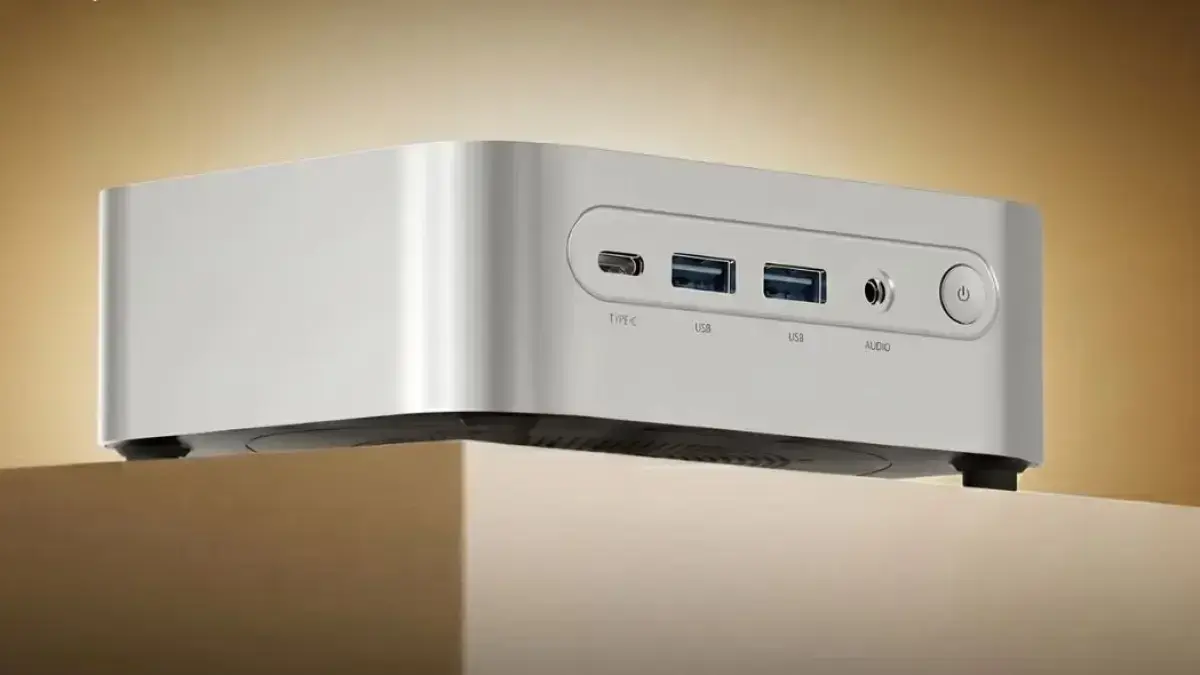
In short, the mini PC market is diversifying and maturing. From basic office machines to workstations with NPUs for artificial intelligence, the compact form factor is proving its versatility . The arrival of the OcuLink port, high-speed unified memory, and processors with integrated AI are paving the way forward. For those looking for a computer that takes up little space but delivers top performance, there have never been as many options available in Europe as there are now.