Spain has become one of the European countries with the largest deployment of renewable energy, especially solar photovoltaic and wind power. However, excess generation at certain times leads to surplus clean energy , and the electricity grid needs to adapt to integrate all that power. Despite this, government agencies and companies are implementing solutions such as battery storage, regulating guarantees of origin, and promoting green hydrogen.
The country is making good progress in installing new plants, with projects ranging from large solar parks in Catalonia to self-consumption systems in the Canary Islands. But it also faces a paradox: while more and more renewable electricity is being produced, it cannot always be used . This article reviews the current situation, the main challenges, and the measures being taken to consolidate the energy transition.

The unstoppable rollout of photovoltaics and wind power
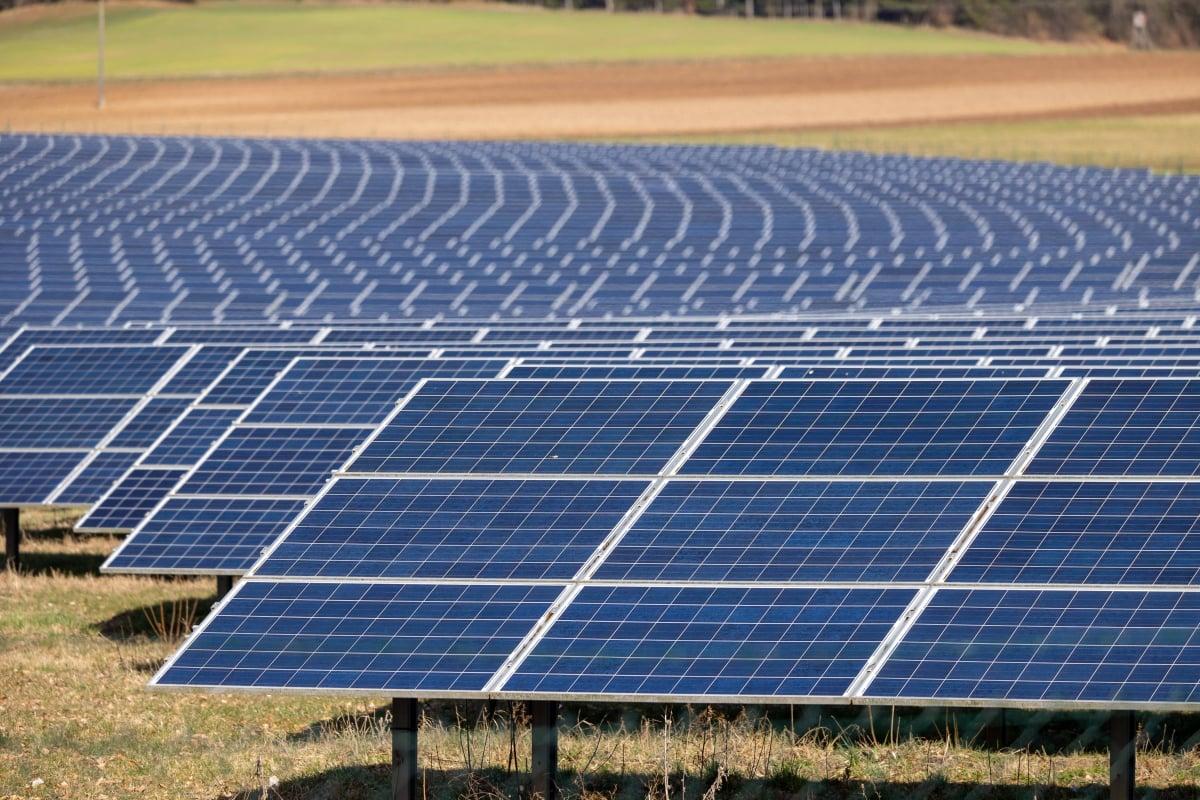
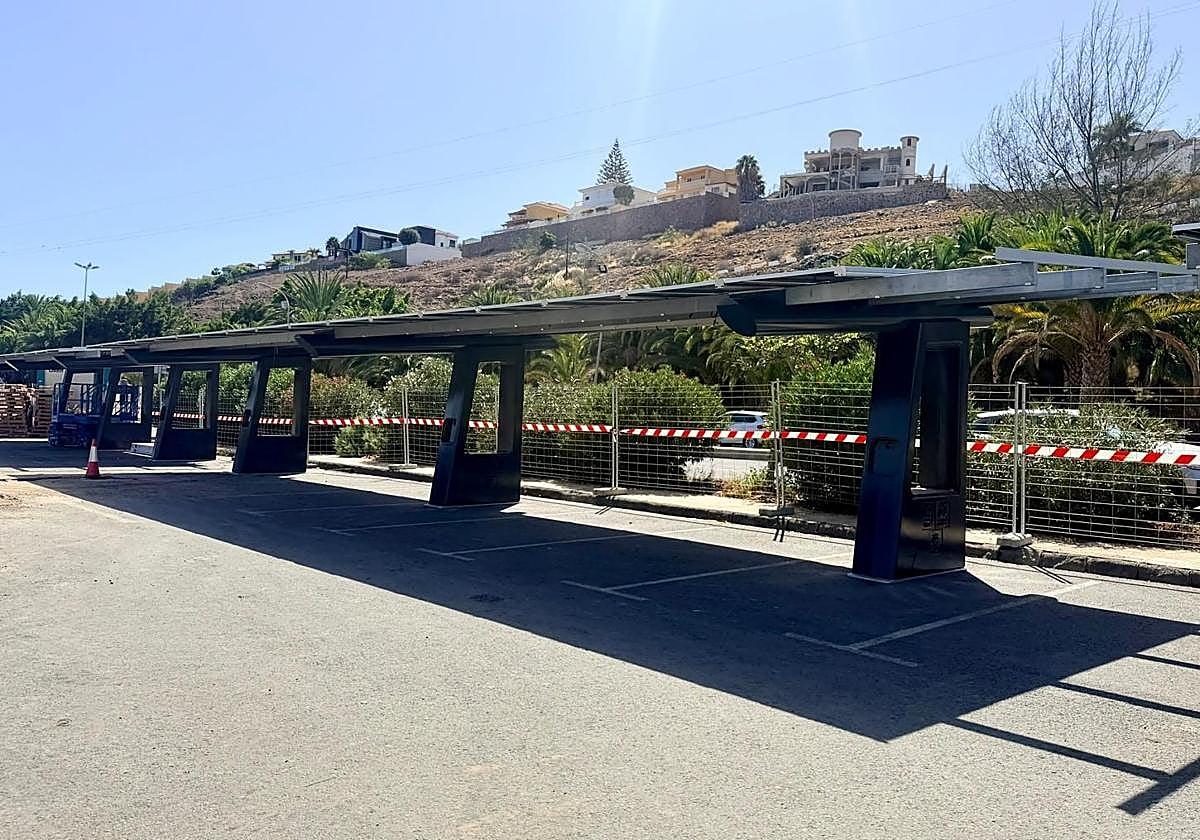
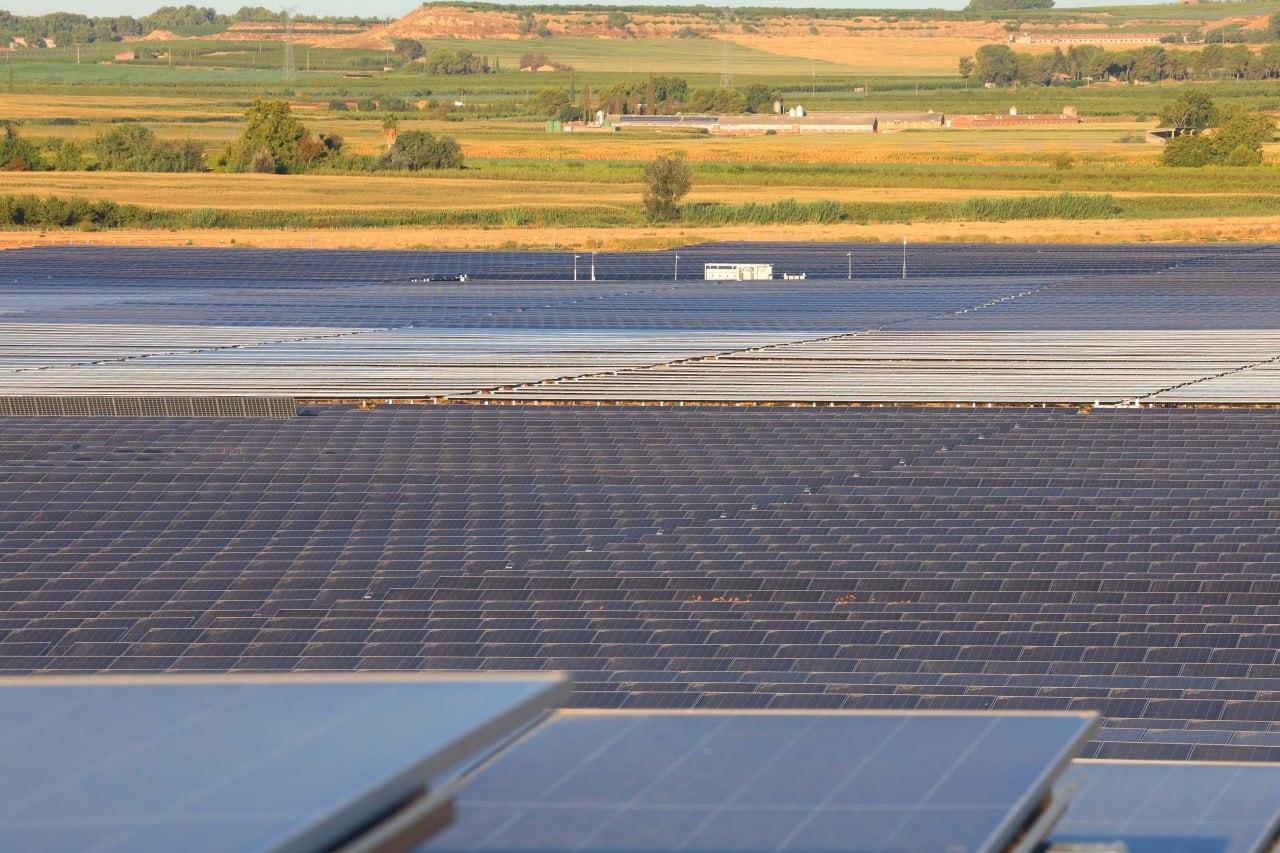
In Catalonia, the Alcarràs cluster has become a benchmark, with 85 operational projects totaling 527 MW, and more than 3.500 MW already authorized. In the Canary Islands, the Gran Canaria Island Council is promoting photovoltaic installations with batteries in several municipalities, while on El Hierro, an expansion of the Gorona del Viento hydroelectric plant is being prepared to incorporate more wind and solar power. Installed renewable energy capacity continues to grow throughout the country , and forecasts indicate that this trend will continue in the coming years.
Interest is not limited to large-scale plants. Self-consumption is also gaining ground, with over 1.600 MW in Catalonia and numerous initiatives in other regions. The combination of distributed generation and large-scale solar parks is transforming Spain's energy landscape , which aims to reduce its dependence on fossil fuels.
The problem of renewable energy spillover

Last summer, renewable energy wasted reached record levels, with over 3 TWh going to waste. The causes are overproduction during daylight hours and a lack of investment in the distribution network. The electricity grid functions like a highway through which all electricity flows , and when supply exceeds demand, the surplus is lost. To solve this, electricity demand needs to be increased, for example, through electric vehicles or the electrification of industry.
Experts point out that strategic plans did not anticipate such slow electrification, which has exacerbated the imbalance. The solution lies in adjusting supply and demand in real time and improving transport and distribution infrastructure.
Storage and batteries: the key to making the most of the surplus
Energy storage has become a key component. On El Hierro, the Gorona del Viento power plant combines wind power with pumped hydro storage and will now add batteries and more photovoltaics. On Gran Canaria, several projects include batteries to manage production. These solutions allow renewable energy to be shifted to times of peak demand , reducing curtailment and increasing grid stability.
Batteries respond quickly to short-term variations, while pumped hydro storage stores large amounts of energy. The combination of these two technologies is especially useful in isolated systems such as islands , where demand management is more complex. In this respect, the development of supercapacitors could offer new avenues for energy management.

Regulation and guarantees of origin: transparency for the consumer
Guarantees of Origin (GOs) are electronic certificates that prove the renewable origin of energy. The European Union regulates them through the RED II Directive, and in Spain, the CNMC manages the system. These certificates allow consumers to know that their electricity comes from clean sources , and their sale generates additional income for producers.
Furthermore, the new regulations for data centers require that at least 80% of their energy consumption be renewable, with time-of-use correlation and additionality. This means that each new megawatt consumed must be accompanied by new renewable capacity , preventing the extra demand from increasing emissions.
Green hydrogen: the complement to decarbonizing industry
Green hydrogen is emerging as a solution for sectors that are difficult to electrify. The ERHV.lab laboratory at the University of the Basque Country (EHU) is investigating how to produce it more efficiently from renewable sources, with projects like HIDRURA. Although it still requires significant amounts of electricity and water, it could be key to industrial decarbonization , especially in sectors such as steel and chemicals.
The research also focuses on reducing production costs and improving the efficiency of electrolyzers. Renewable hydrogen could become a pillar of the green economy , but it needs further technological development and institutional support.
In short, Spain is undergoing a profound energy transformation, with rapid growth in renewables, but also significant challenges in integration and storage. The combination of new technologies, stricter regulations, and government involvement will be crucial to harnessing the full potential of renewables and moving towards a cleaner, more sustainable electricity system.