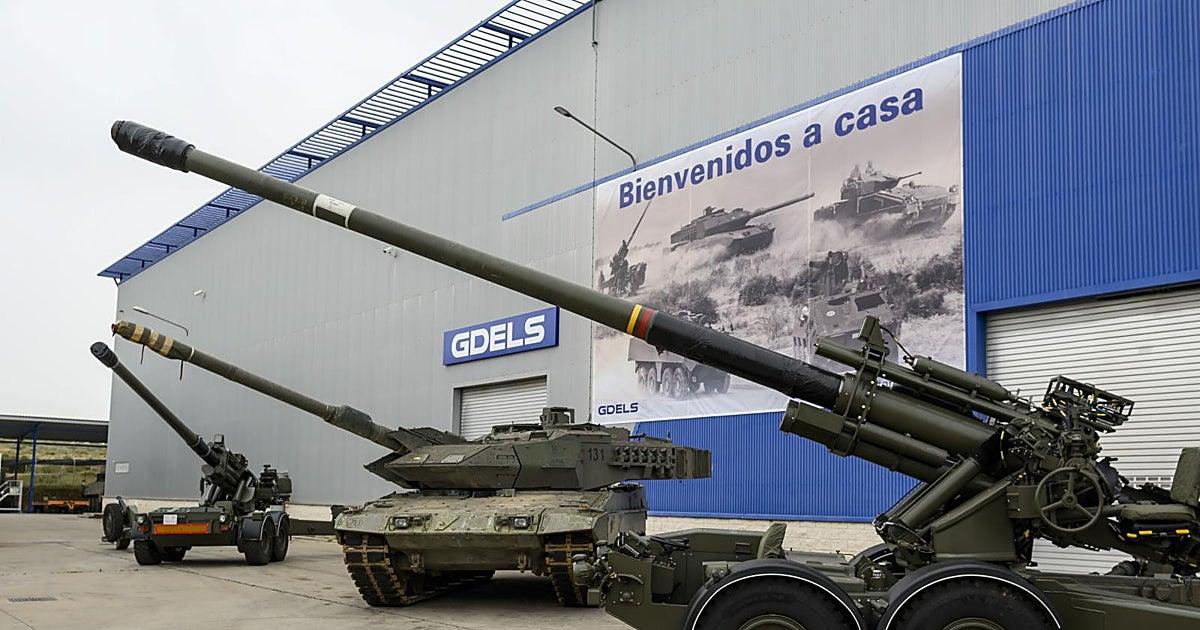
The landscape of the military industry in Spain is experiencing a plot twist that few saw coming just a few months ago. Indra and Santa Bárbara Sistemas have finally sat down to negotiate with the intention of reaching a lasting agreement that will unblock major national defense projects that have been stalled in the courts for some time due to previous disagreements.
This maneuver is not merely a matter of paperwork, but a strategic move to create a powerful common front within the European context. Talks are progressing well to integrate the capabilities of both giants into a shared structure that will ensure the production of the new artillery systems the Spanish Army is awaiting to modernize its ground equipment.
A joint venture to manage the multi-million dollar contracts
The formula that has gained the most traction in recent meetings is the creation of a joint venture that would allow both companies to work closely together. According to the plans currently under discussion, the intention is for Indra's armored vehicle subsidiary to hold 51% of the capital , leaving the remaining 49% in the hands of Santa Bárbara Sistemas, part of the General Dynamics group. This arrangement would allow them to maintain a clear national leadership while leveraging the immense technical expertise of the US-based firm.
The main driver of this rapprochement is the management of the two self-propelled artillery programs, one wheeled and the other tracked, whose combined value exceeds €7.200 billion . Until now, the awarding of these contracts had created a deep rift between the companies, but the arrival of new figures to Indra's management team, such as Ángel Simón and Josep Maria Recasens, has served as a catalyst to restore order and seek a negotiated solution that benefits the country's industry.
For this union to be effective, it's necessary to integrate the existing joint venture between Indra and the Escribano family business. The idea is that Santa Bárbara's entry won't displace the current partners, but rather create a three-way structure where each contributes its expertise. While Indra leads the technology and integration, Escribano would focus on weapon stations, and Santa Bárbara would contribute its industrial strength in the heavy manufacturing of land platforms, similar to how Miriad Global drives land robotics in other projects.
The end of the legal battle and the commitment to strategic autonomy
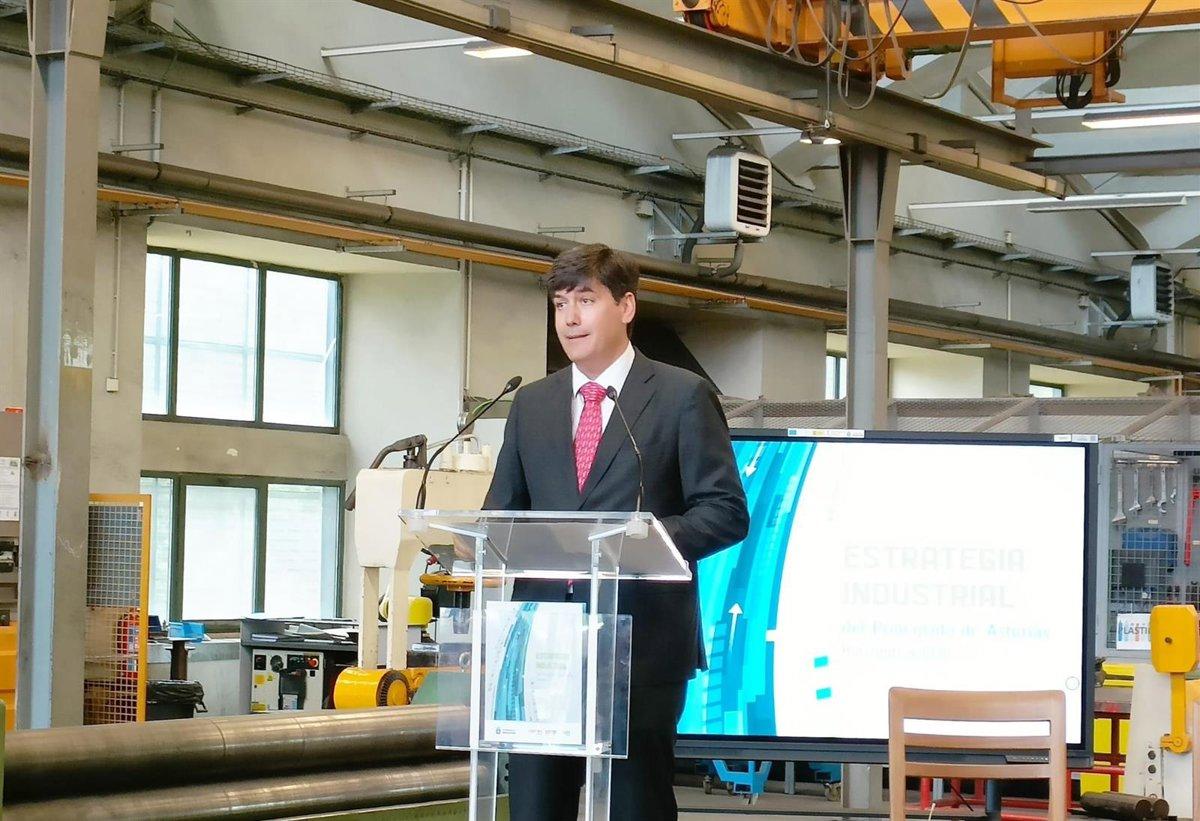
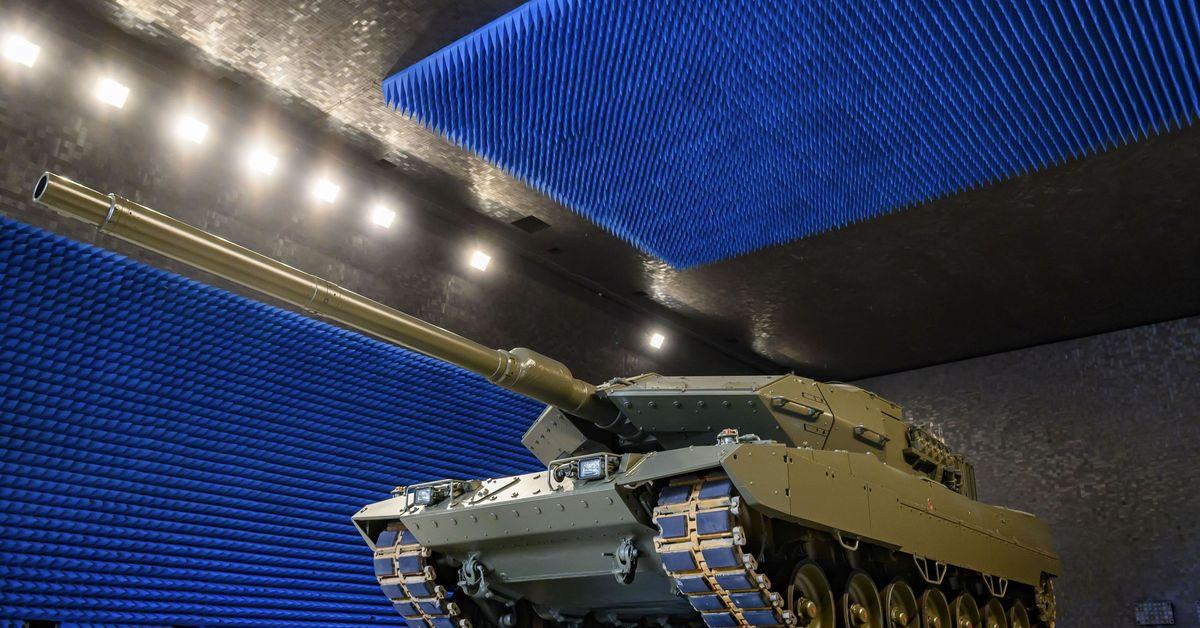
One of the key points for the agreement to succeed is the withdrawal of the appeals that Santa Bárbara had filed with the National Court and the Supreme Court. The company felt excluded from major contracts and decided to fight back legally, but now seems willing to lay down the hatchet if it is guaranteed active participation in the projects. Recent gestures from the Ministry of Defense, such as the release of 16 million euros for the maintenance of Leopard tanks, are seen as clear signs that an agreement is possible.
This union of forces would not only resolve internal conflicts but also allow Spain to compete much more effectively within the European Union. By combining technological expertise with the manufacturing capacity of the plants in Trubia, Asturias, and Alcalá de Guadaíra, Seville , Spain can ensure industrial sovereignty, which is vital in these times of global rearmament. Ultimately, the goal is to keep taxpayer money at home, generating skilled jobs and developing advanced defense technology that is not dependent on third-party countries.
The reactivation of these industrial plans provides relief for the workshops and factories that depend on these long-term orders. This collaboration will shorten delivery times for the new howitzers and combat systems, something crucial for the Armed Forces. Ultimately, what is emerging is a new defense landscape where cooperation outweighs direct competition, enabling the main players in the sector to unify their efforts to carry out the most ambitious programs in recent military history in our country.
Table of Contents