
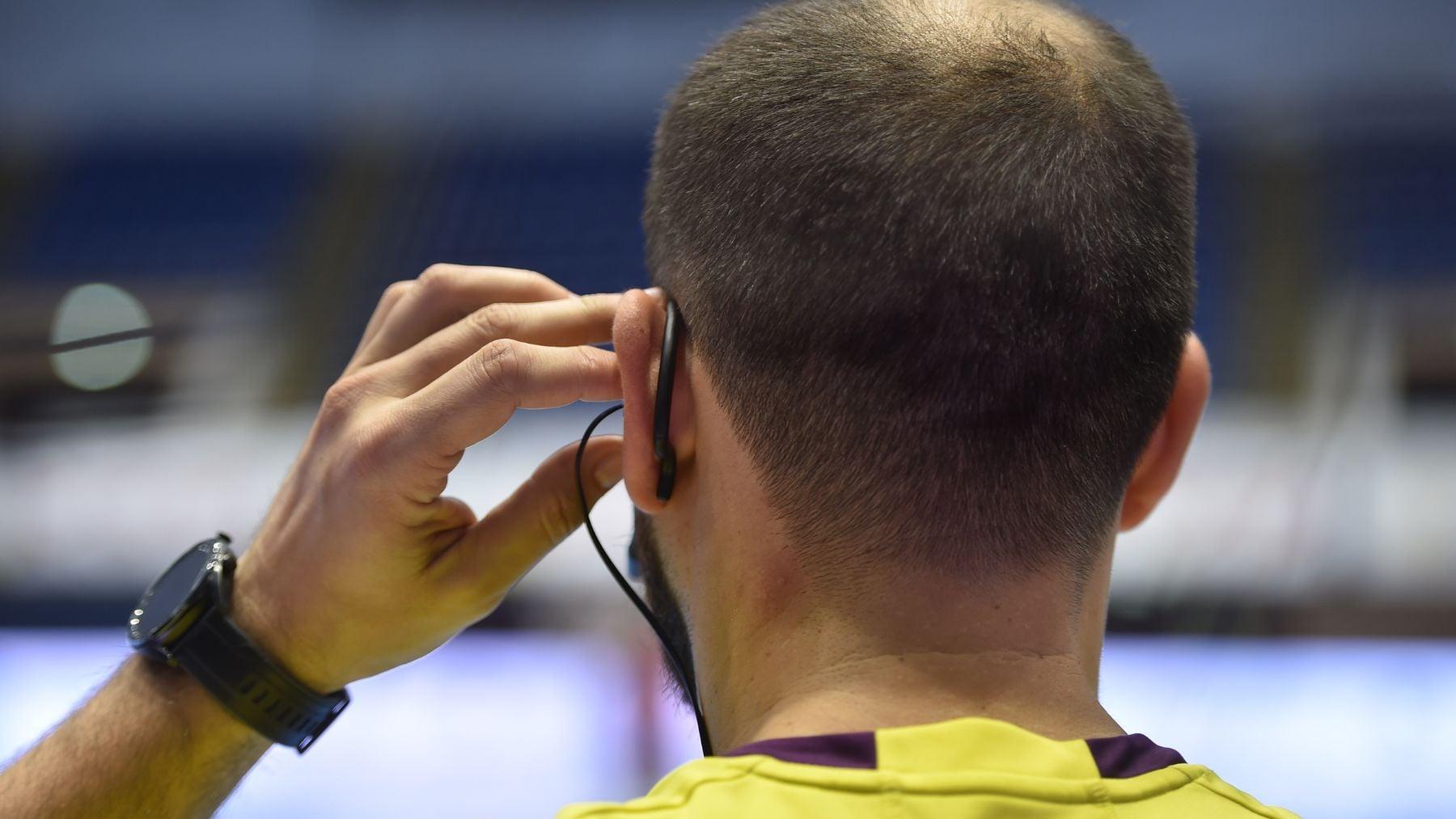
Croatia's elimination against Portugal has produced one of the most talked-about images of the current World Cup, and not from a conventional set piece. What appeared to be the equalizing goal in the dying moments of the match ended up becoming the perfect example of how the IMU sensors integrated into the official match ball can change the course of a team's destiny in a matter of milliseconds.
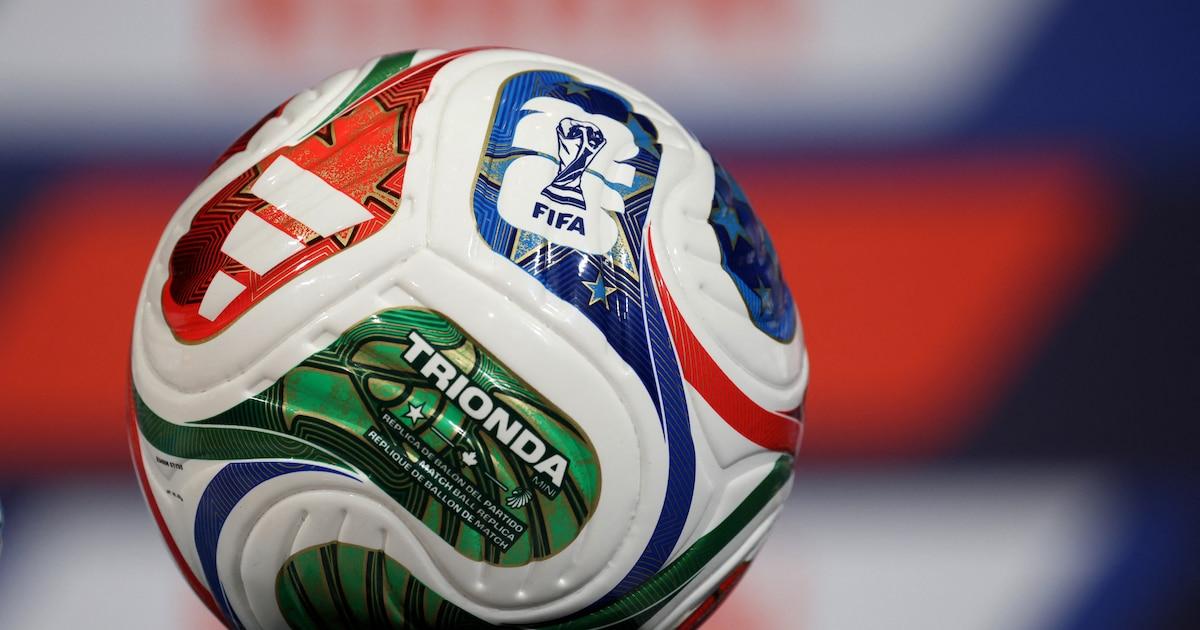
Gvardiol's stoppage-time goal was disallowed after a VAR review that left fans and players alike stunned, as the prior contact that caused the offside was invisible to the naked eye. The use of Adidas ' Trionda connected ball technology was the deciding factor in Norwegian referee Espen Eskas' decision to disallow the goal, thus confirming Portugal's passage to the next round, where they will face Spain.
Operation and accuracy of the 500 Hz IMU sensor
Unlike previous systems, this new ball houses an inertial measurement unit (IMU) capable of transmitting information at a frequency of up to 500 hertz . This means the device records any type of interaction or impact approximately five hundred times per second, allowing the VAR room to receive an extremely precise time-stamped record. To maintain the ball's balance and ensure its flight is not affected, the chip is located in one of the internal panels, counterbalanced with specific weights in the rest of the structure.
This technical system works in perfect harmony with a set of synchronized cameras that monitor every player on the pitch. The key to the decision against Croatia was that the sensor detected a minimal variation in the ball's acceleration, confirming that Igor Matanović's head had touched the ball. Upon this contact, the system automatically recalculated the positions of his teammates, determining that he was offside, thus invalidating the subsequent play.
Transparency in the broadcast and the heartbeat graph
One of the innovations that has most caught the attention of European viewers is the display of this data on their television screens. During the review of controversial plays, a graphic similar to an electrogram , popularly known as the "ball pulse," is shown, displaying intensity spikes each time a touch occurs. This tool aims to bring greater transparency to refereeing decisions , allowing the public to understand why infractions are called that, through traditional video replays, might appear to be errors of judgment.
Although some key figures, such as coach Zlatko Dalic and veteran Luka Modric, have expressed frustration, arguing that these systems detract from the excitement of football, FIFA has staunchly defended their implementation. The organization maintains that these advancements provide an unprecedented level of data , eliminating subjectivity in even the most minute decisions. In the end, technological precision dictated that it was the Portuguese team that advanced in the tournament, offering a lesson on the importance of innovation in elite sport.
The integration of these high-precision sensors into sports equipment marks a turning point in the administration of justice on the field. Thanks to the ability to process data in real time and synchronize with stadium cameras, the margin of error in high-pressure situations has been reduced, ensuring that the final result depends on verifiable facts . Connected ball technology not only assists referees but also redefines the spectator's experience, providing them with immediate technical evidence of every play in the game.