
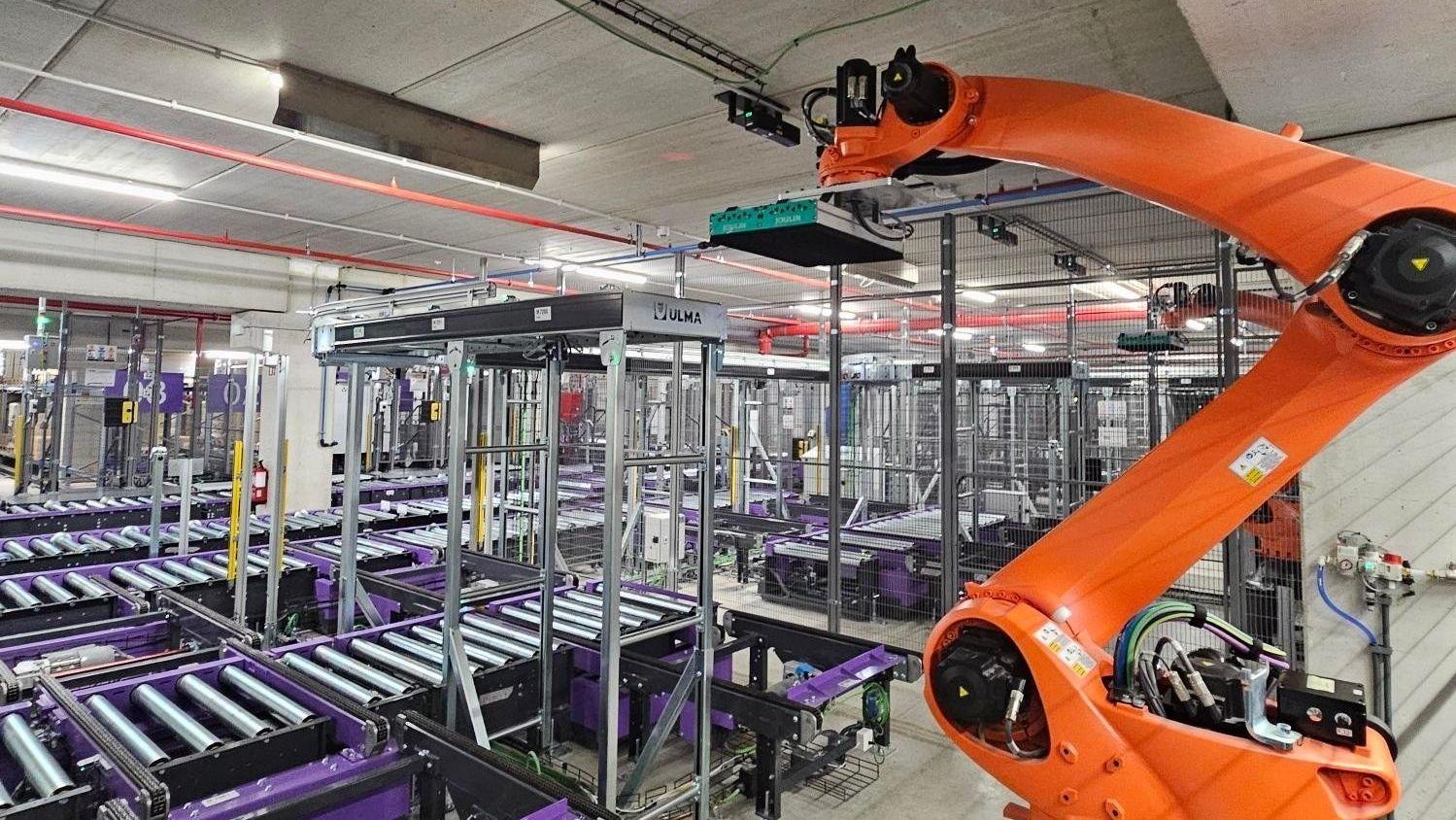
The Gipuzkoa-based cooperative Ulma Handling Systems has finalized the acquisition of a 30% stake in the Álava-based engineering firm Automach , a deal that also grants it a seat on the company's board of directors. The acquiring company is headquartered in Oñati and is part of the Ulma Group, while Automach, based in Vitoria-Gasteiz, specializes in industrial automation and robotics. The two companies have been collaborating since 2015, but the partnership has now expanded to include shareholding.
The move aims to strengthen the intralogistics offering with capabilities that extend beyond transport and automated warehousing. Specifically, Ulma Handling Systems wants to gain ground in advanced robotics, machine vision, and artificial intelligence applied to automated processes. Automach, founded in 2007, has a turnover of around five million euros and employs approximately 30 people.

A relationship that is beginning to bear fruit
This is neither a takeover nor a change of control. Ulma's stake remains at 30%, below a majority, and Automach retains its management and its status as an engineering SME. Even so, Ulma will have a voice on the board and will be able to guide the strategy of a company with which it has been working for years on logistics and industrial projects. The chosen model is that of a minority industrial partner , a common approach when seeking to accelerate capabilities without fully integrating the invested team.
The CEO of Ulma Handling Systems, Álvaro Martínez de Lagos, maintains that the sector is moving towards equipment with greater autonomy, decision-making capacity, and adaptability. Meanwhile, the manager of Automach, Jon Fernández de Retana, believes that the cooperative's support will allow them to take on larger and more technologically complex projects. Both parties emphasize the importance of maintaining the agility that has characterized the Álava-based firm since its inception.
What does Automach offer?
Automach designs robotic cells for handling, assembly, inspection, and quality control, as well as custom-made specialized machinery. Their expertise includes advanced robotics, machine vision, control systems, and developments for technically demanding environments. This combination aligns with the areas Ulma considers key to evolving its intralogistics solutions. The goal is to add intelligence to automation and not just focus on the physical movement of goods.
- Advanced robotics: Robotic cells and systems for complex industrial tasks.
- Artificial vision: equipment capable of interpreting its environment and improving inspection or control.
- Applied AI: automated processes with greater autonomy, flexibility, and adaptability.
- Special machinery: Tailor-made solutions for clients in regulated and demanding sectors.

A sector in full transformation
The operation comes amid growing demand for logistics automation. Warehouse labor shortages, seasonal peaks, and the rise of e-commerce are leading many companies to invest in systems that reduce their reliance on temporary staff. In Europe, integrators and manufacturers are competing to incorporate autonomous mobile robots, machine vision, and coordination software to meet this pressure.
Ulma Handling Systems works in automated warehouses, internal transport, picking, sorting, palletizing, depalletizing, and mobile robotics, as well as management software. Automach, for its part, adds capabilities in automated manufacturing and quality control. The boundary between what happens inside a warehouse and what happens on a production floor is becoming increasingly blurred. Customers demand flexible and connected systems capable of adapting to changes in volume and product.
What changes for customers and the market?
For Ulma's customers, acquiring a stake in Automach expands their product range to include more autonomous robotic solutions. For Automach, it means accessing the commercial and financial resources of a larger group without sacrificing its operational independence. In the Spanish market, the transaction strengthens the position of a Basque player in a segment that also includes European integrators and multinationals. The minority stake, with a seat on the board, allows for influence without assuming full control.
The agreement also sends a message to other industrial SMEs: a corporate partner can be a way to scale projects without losing the company's engineering DNA. Automach retains its headquarters in Vitoria-Gasteiz, its workforce of around 30 people, and its activity in sectors such as aerospace, rail, electrical and energy, healthcare, and automotive. This sectoral fit is one of the most valued assets of the deal, because it allows them to reach clients with long cycles and high technical requirements.
Ulma Handling Systems' acquisition of a 30% stake in Automach strengthens an alliance that has existed since 2015 and positions the Gipuzkoa-based cooperative in a space where robotics, machine vision, and AI intersect with intralogistics. The transaction does not involve taking control of the Álava-based company, but it does grant Ulma a seat on its board and access to technical capabilities that complement its offering. In a sector moving towards more autonomous warehouses and factories , this move aims to gain technological and commercial strength without sacrificing the agility of specialized engineering.