
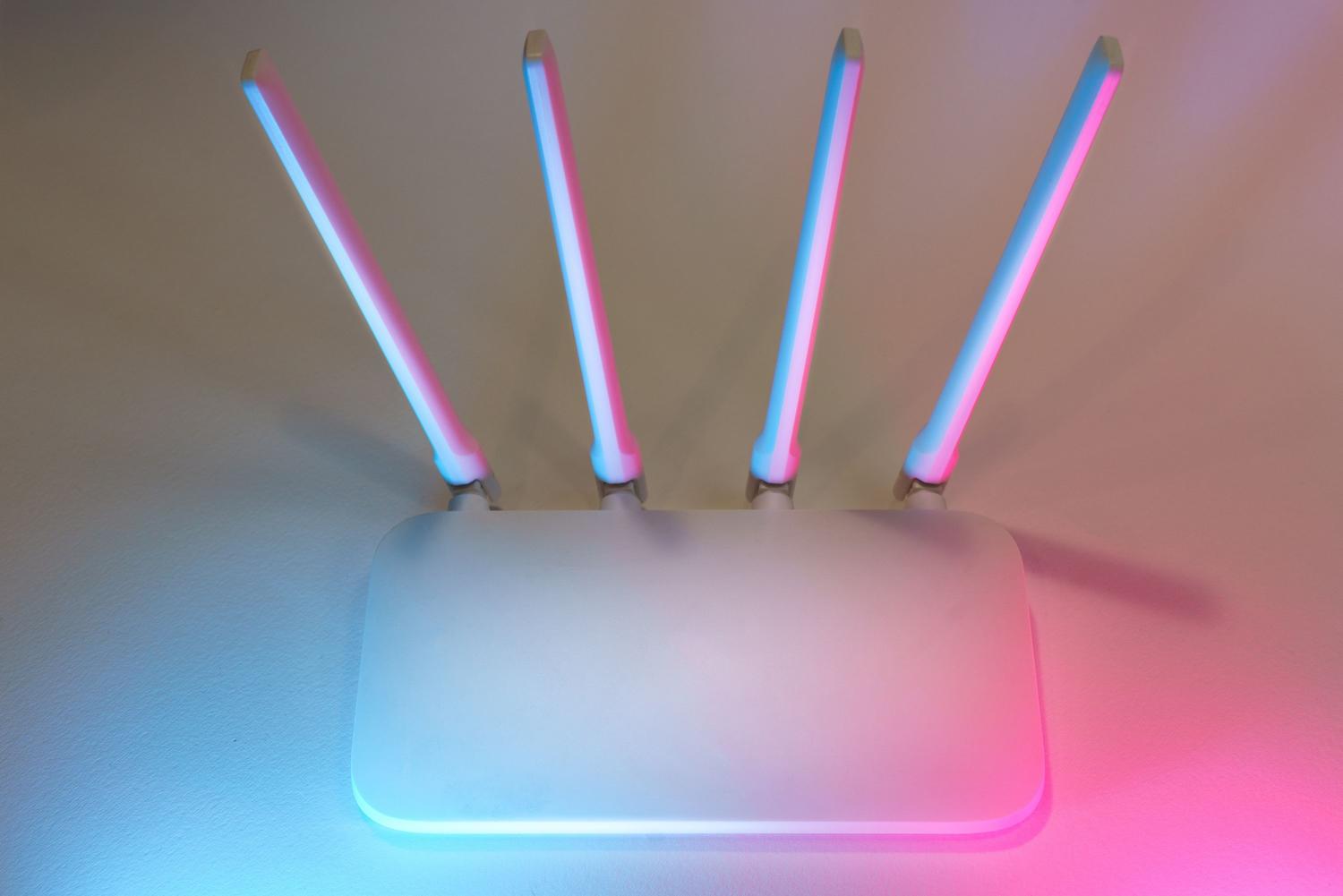
The way we connect to the internet from home or the office has taken an incredible leap in recent years. Just when it seems that WiFi 6 and its 6E variant are becoming established in our living rooms, we already have the official successor: WiFi 7. This new standard isn't just a speed tweak, but an architecture designed to make Ethernet cables, possibly, a relic of the past.
Formally unveiled at CES in Las Vegas, this protocol, technically known as IEEE 802.11be , aims to eliminate bottlenecks. It's not just about faster file downloads, but about creating an ecosystem where 8K streaming and virtual reality run seamlessly, offering a level of stability previously only achievable with a properly connected cable.

What exactly is WiFi 7?
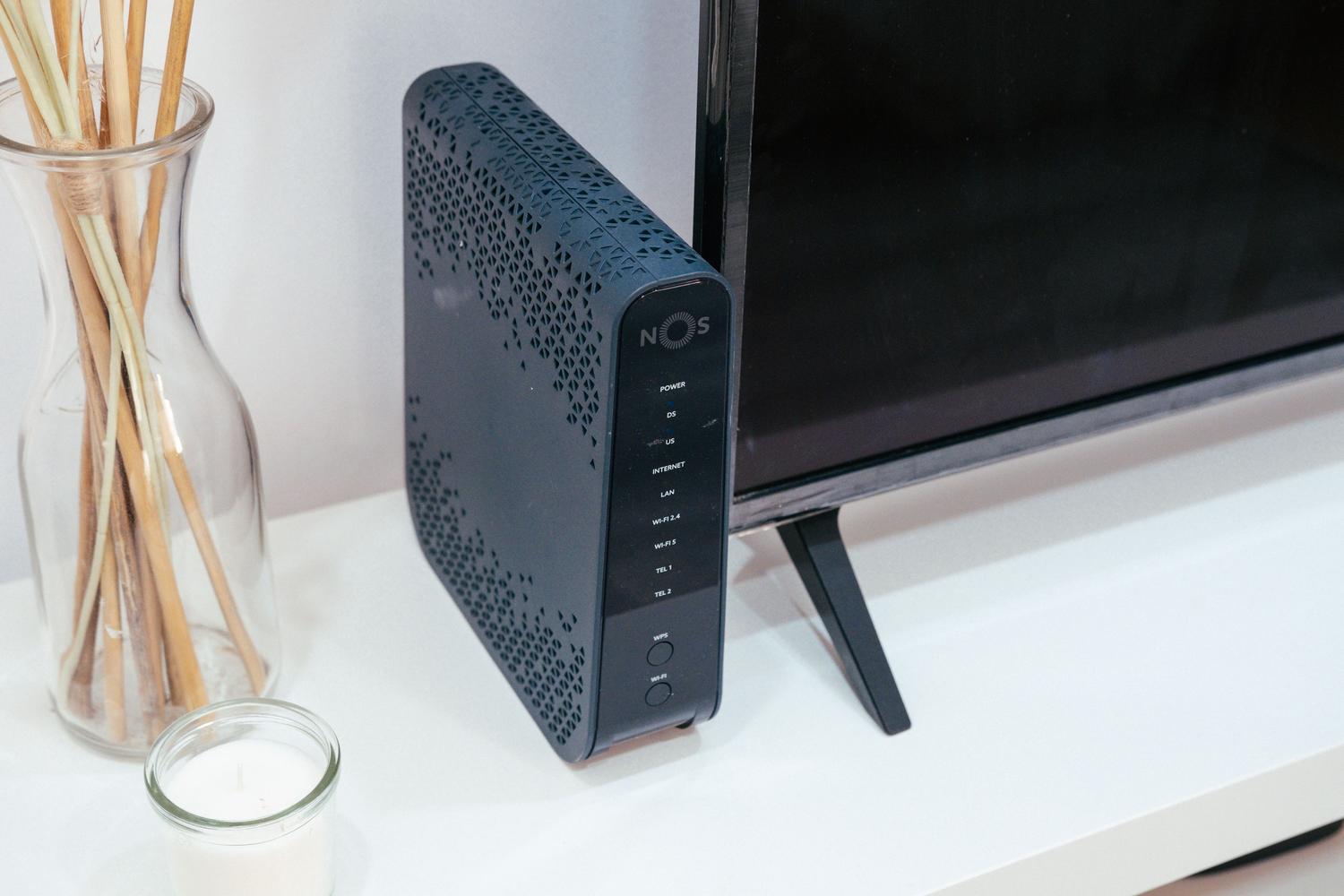
Simply put, WiFi 7 is the natural evolution of wireless networks, aiming to maximize performance and efficiency. Its arrival has been driven by giants like MediaTek, TP-Link, and Amazon , who have already certified the first devices. The main idea is to achieve what's called Extremely High Throughput (EHT) , enabling massive and fluid data flow.
One of the keys lies in the use of the 6 GHz band . Although WiFi 6E already used it, WiFi 7 takes full advantage of it, making it essential to understand the available WiFi channels and bands . However, in Europe things are a bit more complex due to regulations, as we have fewer channels than in the United States and outdoor use is very restricted to avoid interfering with national security or radio astronomy services.

Technical improvements that make all the difference
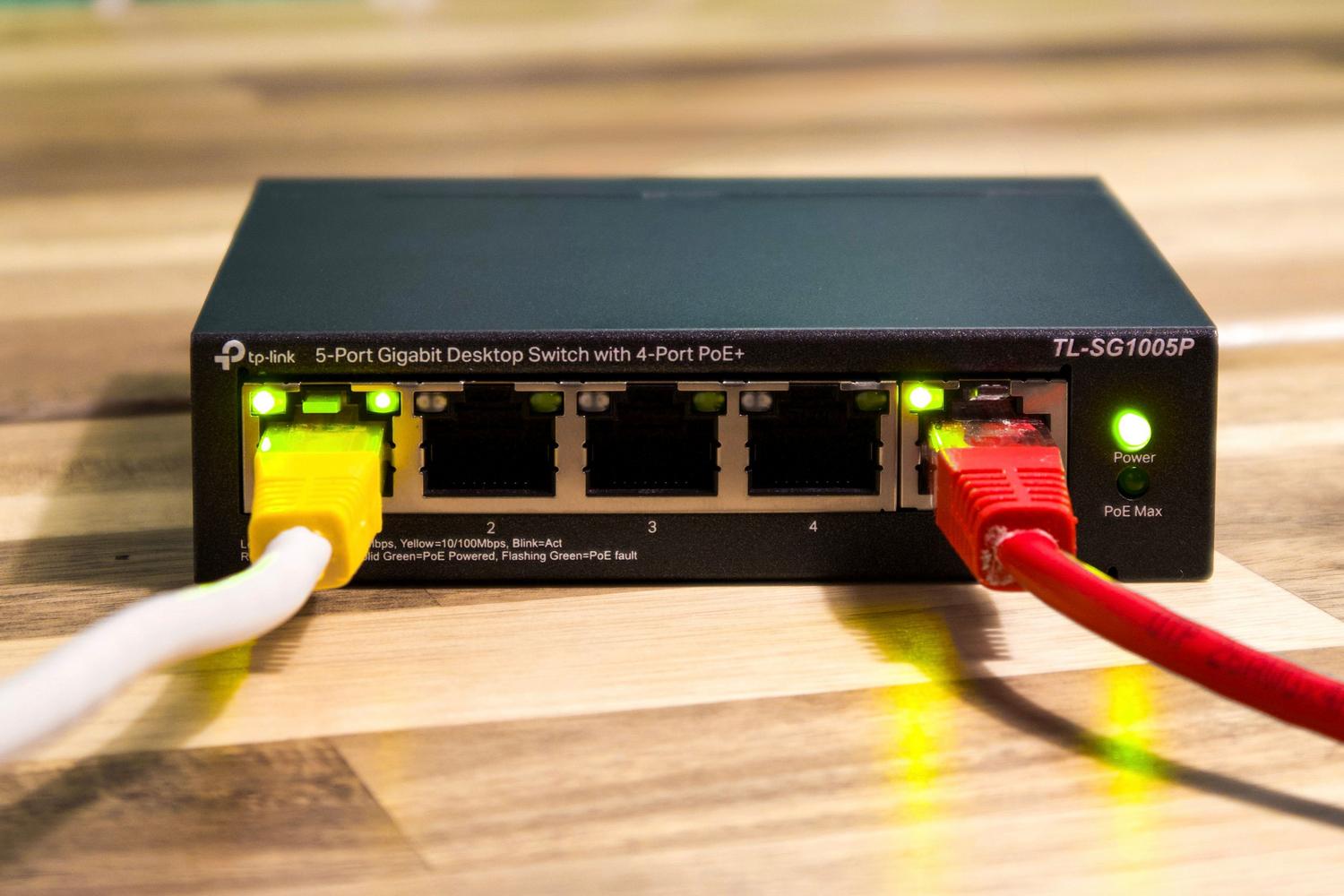
If we delve into the inner workings of this technology, we find changes that make the connection incredibly fast. First, there's Multi-Link Operation (MLO) , which is probably the crown jewel. Unlike older routers that selected a single band (2.4, 5, or 6 GHz), MLO allows data to be transmitted and received over multiple bands simultaneously , eliminating latency and ensuring a rock-solid connection.
Furthermore, 4096-QAM modulation has been implemented . This means that each radio symbol carries 12 bits instead of the 10 bits of WiFi 6, resulting in a 20% increase in transmission speed. In addition, the MIMO system has been upgraded from 8 to 16 spatial streams , doubling the capacity to manage multiple devices without network congestion.
Comparison: WiFi 7 vs. WiFi 6 and 6E

To give you an idea of the scale of the change, WiFi 6 had a theoretical speed of 9,6 Gbps. WiFi 7 boosts this figure to 46 Gbps , which is almost five times faster. While the maximum channel width was previously 160 MHz, it has now been increased to 320 MHz , opening up a much wider "highway" for data.

- Speed: We went from about 2,4 Gbps real speeds on WiFi 6 to about 5,8 Gbps actual in the new standard.
- Latency: Thanks to MLO, the response time can be up to 100 times more, something vital for competitive gaming.
- Efficiency: TWT (Target Wake Time) technology is optimized, enabling devices consume less battery by better managing waiting times.
What is it really useful for in everyday life?
Many will wonder if we really need that much power at home. The answer is that WiFi 7 paves the way for technologies that are currently niche but will become the norm. We're talking about 8K content playback and total immersion in the Metaverse using augmented reality glasses with virtually nonexistent latency.
In a professional setting, this means that sharing large files on a local network will no longer take minutes, but just a few seconds . Likewise, in highly congested environments, such as office buildings or closely packed apartments, WiFi 7 manages interference much better thanks to Preamble Puncturing , which allows channels to be used even if some are occupied.
Compatibility and deployment
The good news is that this standard is backward compatible . This means you can buy a WiFi 7 router and your older devices will still work, although they won't take full advantage of the extreme speeds. To maximize performance, both the transmitter and receiver must support 802.11be. High-end devices from Samsung, Apple, Google, and OnePlus are already starting to integrate this chip.
Regarding security, while WPA3 remains very robust, the arrival of the WPA4 protocol is on the horizon , promising to further protect our communications. We are likely to see widespread adoption in the coming years, especially in laptops, tablets, and enterprise access points.
This transition to WiFi 7 represents a paradigm shift where wireless freedom finally matches wired performance. With the addition of simultaneous bands, ultra-wide channels, and intelligent spectrum management, we are moving into an era of instant connectivity that will transform digital entertainment, remote work, and advanced home automation.
