The electric vehicle charging infrastructure is advancing rapidly, but the overall picture remains mixed. While the number of available charging points is increasing and the failure rate is decreasing, drivers are encountering higher prices , street scams, and a significant number of installed locations that are not yet operational.
Meanwhile, new networks are emerging in Spain and abroad, ranging from supermarket partnerships to the establishment of stations in international cities, while China accelerates its position as a global leader in terms of volume. This is the picture painted by the latest data, studies, and announcements in the sector.
The current map in Spain and the problem of "ghost" chargers
The number of installed but non-operational charging points remains high. According to recent estimates, there are 13.782 inactive locations , representing around 22% of the total public network. If these were put into service, the country would have more than 61.000 charging points.
Behind this bottleneck are well-known reasons: slow administrative processing , waiting for electrical connection, interoperability and software problems, recurring breakdowns, or issues of physical accessibility and signage.
- Bureaucracy: licenses, legalization, distributor registrations and verifications that can take from 10 months to several years.
- Network and connections: lack of punctual capacity or lead times prolonged in transformation centers and need for protection with spark gaps.
- Communications and OCPP: Modem, integration, or platform failures that leave equipment offline and problems with protocols such as protocols such as Modbus.
- Maintenance: response times, spare parts and vandalism which delay the return to service, in addition to the lack of protection components such as PTC fuses.
- Access: confusing parking hours, barriers or permits that prevent you from using an active spot.
- Outdated data: maps and apps with wrong information or duplicated.
To reduce the risk of reaching an inoperative point, the official charging map shows real-time statuses ( free, in use, reserved or out of service ) and helps to plan with greater certainty.

User experience and prices: why satisfaction is falling
The latest analysis of public charging user satisfaction reflects a striking trend : there are fewer incidents and more high-power chargers , and advances in semiconductors such as GaN transistors that improve the efficiency of power equipment are observed , but drivers are less happy, especially with the cost and ease of payment.
In the fast-charging segment, pricing and billing management negatively impact the overall score. The contrast is even more pronounced in networks with dynamic policies or subscription models that aren't always available to everyone. Even so, a leading manufacturer's network maintains the highest levels of reliability and user experience thanks to its plug-and-charge ecosystem.
For vehicles of other brands, frictions persist: different apps per operator, registrations, validations, and changing payment methods. In Europe, the standardization of the CCS2 connector reduces physical incompatibilities, but the experience depends on each network's design and pricing.
Risks and safety in public recharging
A recent study in urban areas with rapid DC stations has measured PM2.5 concentrations higher than those at gas stations and high-traffic roads, with values ranging from 15 to 200 µg/m³ in certain locations.
Researchers point to electrical cabinet fans as a possible source of the increase in resuspended particles (dust, brake and tire debris). They propose measures such as targeted filtration and locating monitoring stations away from schools and residential areas, given the lack of regulations governing these emissions.
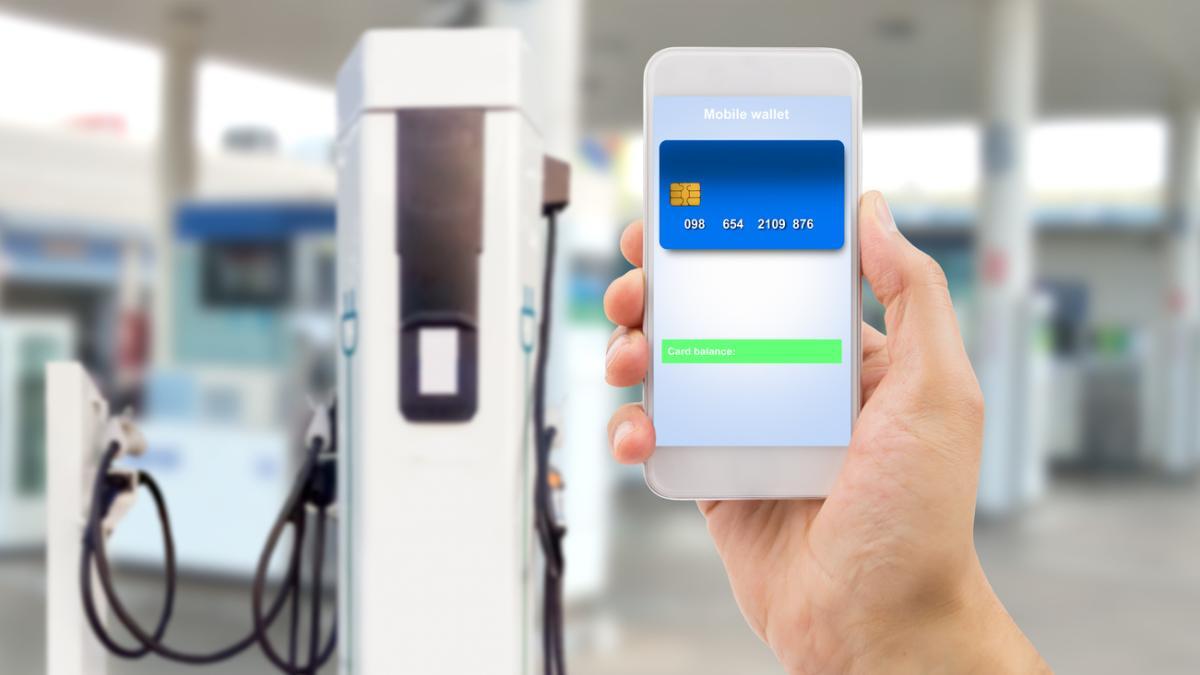
In addition, there's a proliferation of scams using fake QR codes affixed to the original sticker: the user scans them, pays on a fraudulent website, and neither receives the funds nor gets a refund. The general recommendation is to always use the operator's official app and verify the URL before making any payment.
Quick tips to avoid tripping
- Plan with redundant options and don't rush below 15–20% before the next point.
- Contrast apps: : Check the CPO in addition to the aggregator and review recent reviews.
- Check access and hours of the location (parking, barriers, rates).
- It supports several payment methods (app, RFID, bank card in HPC).
- Distrust stickers with discounts or QR codes superimposed; check the official domain.
- Report faults in the operator app to speed up the resolution.
- If a 150–300 kW post fails, try the other connector or reduces power if the app allows it.
International expansion: from China to Dubai
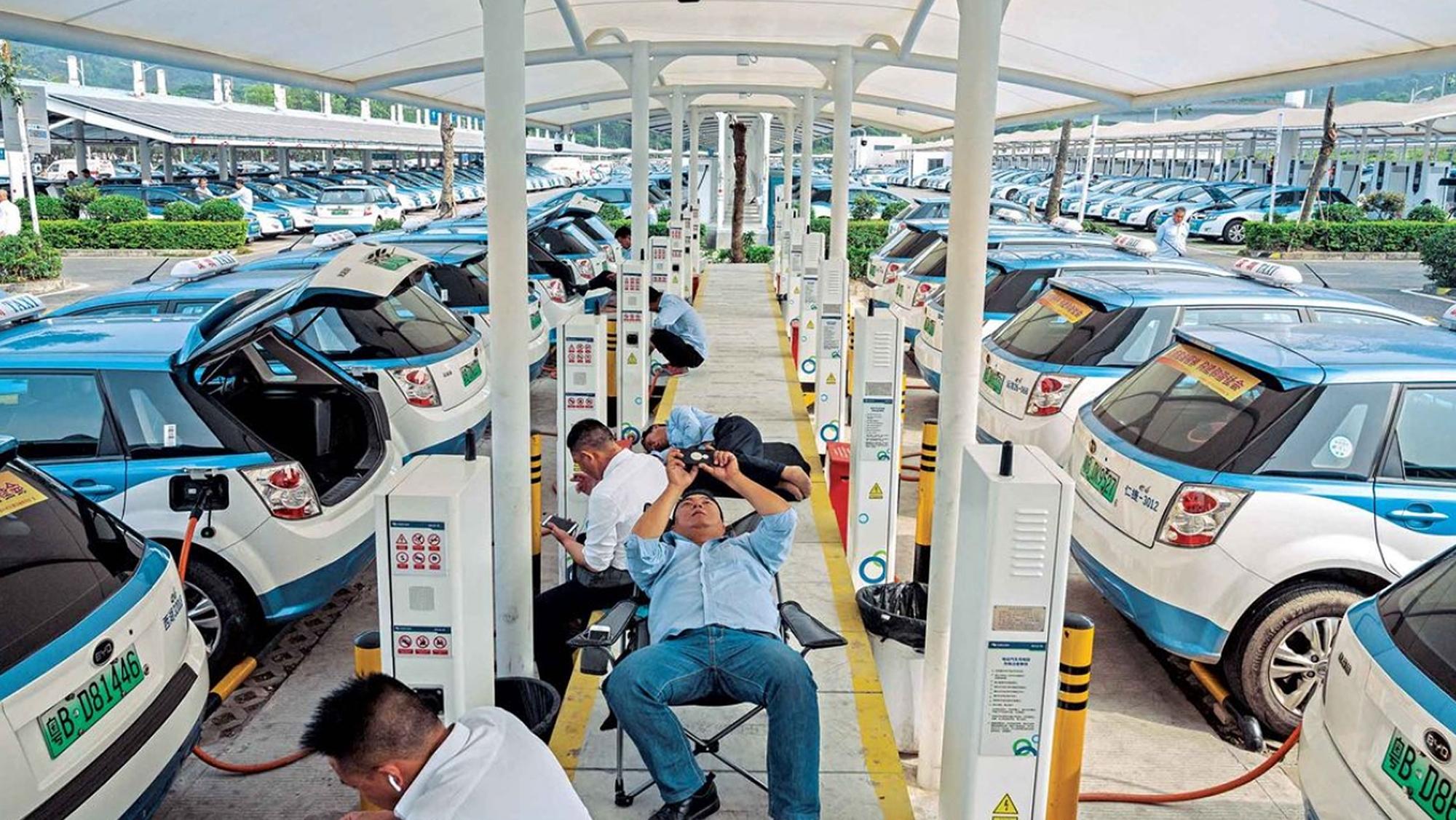
China now has over 16,7 million operational charging stations and is growing by more than 50% year-on-year, with an approximate ratio of two chargers for every five EVs on the road. Between January and July alone, 3,87 million new units were installed , mostly privately.
Electricity consumption associated with charging increased by more than 40% in the first seven months, and the market is highly concentrated: the top 15 operators manage more than 80% of public charging points. This is compounded by manufacturers' strategy of deploying their own networks to build customer loyalty .
In the Middle East, Dubai is preparing a network that will deploy 200 charging stations within 12 months, with an initial phase of 20 stations in high-traffic areas. Integration with the city's app will provide real-time status updates and on-platform payments, as well as "park and charge" policies to prevent unauthorized blocking of charging stations.
Initiatives in Spain: supermarkets and new networks
Nationally, the agreement to install 238 ultra-fast chargers in 59 supermarkets across Asturias, Galicia, and Castile and León stands out. These chargers are expected to provide a range of approximately 100 km in just a few minutes , allowing customers to complete charging sessions while shopping, using 100% certified renewable energy and high-efficiency DC-DC converters in the infrastructure.
The operation is based on an alliance that already leads the way in ultra-fast charging in Spain and Portugal with more than 1.400 active charging points. These everyday locations bring charging closer to users and diversify the network beyond major corridors and stations.
Practical tips for planning and paying without problems
Given the current situation, it's wise to prepare a "Plan B" and a "Plan C" for every trip. Keep several apps and cards ready, check access and fares in advance, and keep your usual carrier's support number handy.
If you encounter a suspicious QR code or an unrecognizable website, cancel the payment, freeze your card if necessary, and report the issue. Reporting problems and using real-time status updates will save you unnecessary trips and waiting times.
The charging network is growing in both quantity and quality, but improvements are still needed in procedures, pricing, and user experience . Between new deployments, health warnings, and cybersecurity concerns, electric travel is becoming increasingly viable if you plan carefully and choose reliable operators.
Table of Contents
- 1 The current map in Spain and the problem of "ghost" chargers
- 2 User experience and prices: why satisfaction is falling
- 3 Risks and safety in public recharging
- 4 International expansion: from China to Dubai
- 5 Initiatives in Spain: supermarkets and new networks
- 6 Practical tips for planning and paying without problems