
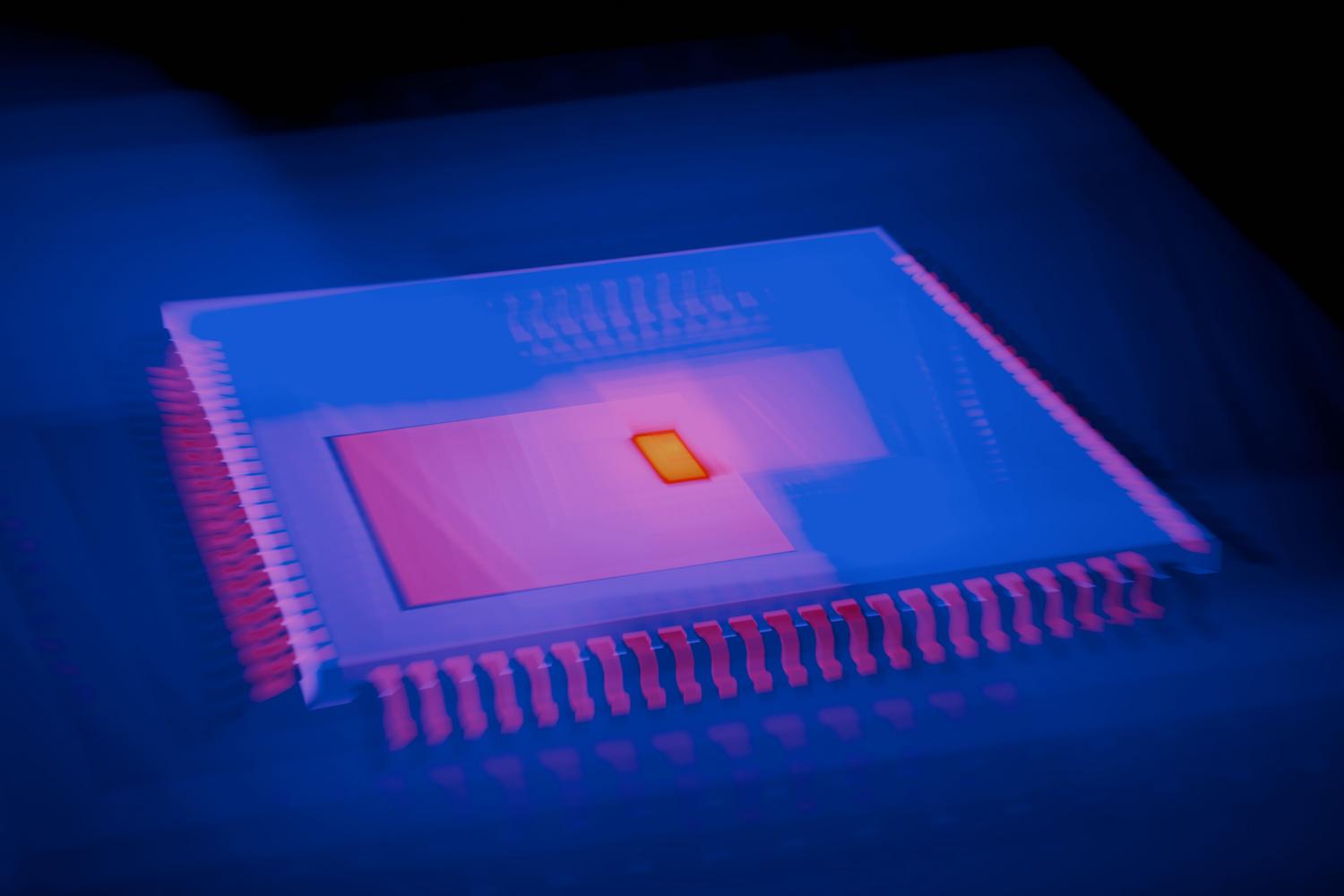
If you're involved in the embedded hardware world, you know that finding the right balance between raw power and energy consumption is a real headache. The Amlogic A311Y3 is here to break that barrier, presenting itself as a powerful Edge AI computing module that allows artificial intelligence to move beyond cloud dependence and run directly on the device.
We're talking about a piece of engineering designed for those looking to build systems that react in real time, from robots that avoid walls to home control centers that understand context. This SoC isn't just another chip; it's the heart of a new generation of devices that prioritize privacy and response speed, eliminating annoying connection delays.
Internal Architecture and Processing Power
Under the hood, this module is a true beast. It boasts an octa-core processor based on the ARM architecture, combining two Cortex-A78 cores at 2.4GHz for heavy-duty tasks and six Cortex-A55 cores at 2.0GHz to handle lighter processes without draining the battery. For graphics enthusiasts, it includes a Mali-G625 MC1 GPU, ensuring a smooth visual interface.
What truly sets it apart is its NPU (Neural Processing Unit) with a capacity of 8 TOPS . This unit can process data in various formats, supporting INT4, INT8, INT16, FP8, FP16, and BF16, making it extremely versatile for deploying Language Models (LLM) or complex neural networks. Furthermore, it features dedicated RISC-V cores exclusively for system control and always-on power management.

Memory and Storage Capabilities
To ensure all that processing doesn't stall, the module allows for robust configurations. It can integrate up to 16GB of LPDDR5 memory , which is lightning fast compared to previous standards, and up to 256GB of eMMC storage. This combination is vital for 4K video surveillance applications , where the data flow is massive and constant.
Connectivity and Pin Map (Pinout)
The module is exposed via a castellated edge design with a total of 210 pins , allowing for clean integration into custom motherboards. The variety of interfaces is simply overwhelming, covering virtually any technical need:
- Video and Display Outputs: Support for HDMI 2.1, dual MIPI DSI, eDP and LVDS, allowing for easy management of high-resolution displays.
- Data Input and Sensors: It includes multiple MIPI CSI interfaces for cameras and image sensors, which are fundamental in machine vision.
- Networks and Communication: Gigabit Ethernet, WiFi 5 and Bluetooth 5.0, plus support for 4G LTE expansion via Mini-PCIE.
- Peripherals: USB Type-C, UART, I2C, SPI, SPDIF and NVMe support, which greatly expands the possibilities of external storage.
For engineers who need the technical details, the pinout includes specific signals such as ETH_A_RGMII for fast networking, power control pins such as POWER_KEY , and comprehensive HDMI signal management (CEC, HPD, eARC) to ensure compatibility with modern TVs and monitors.

Software and Development Environment
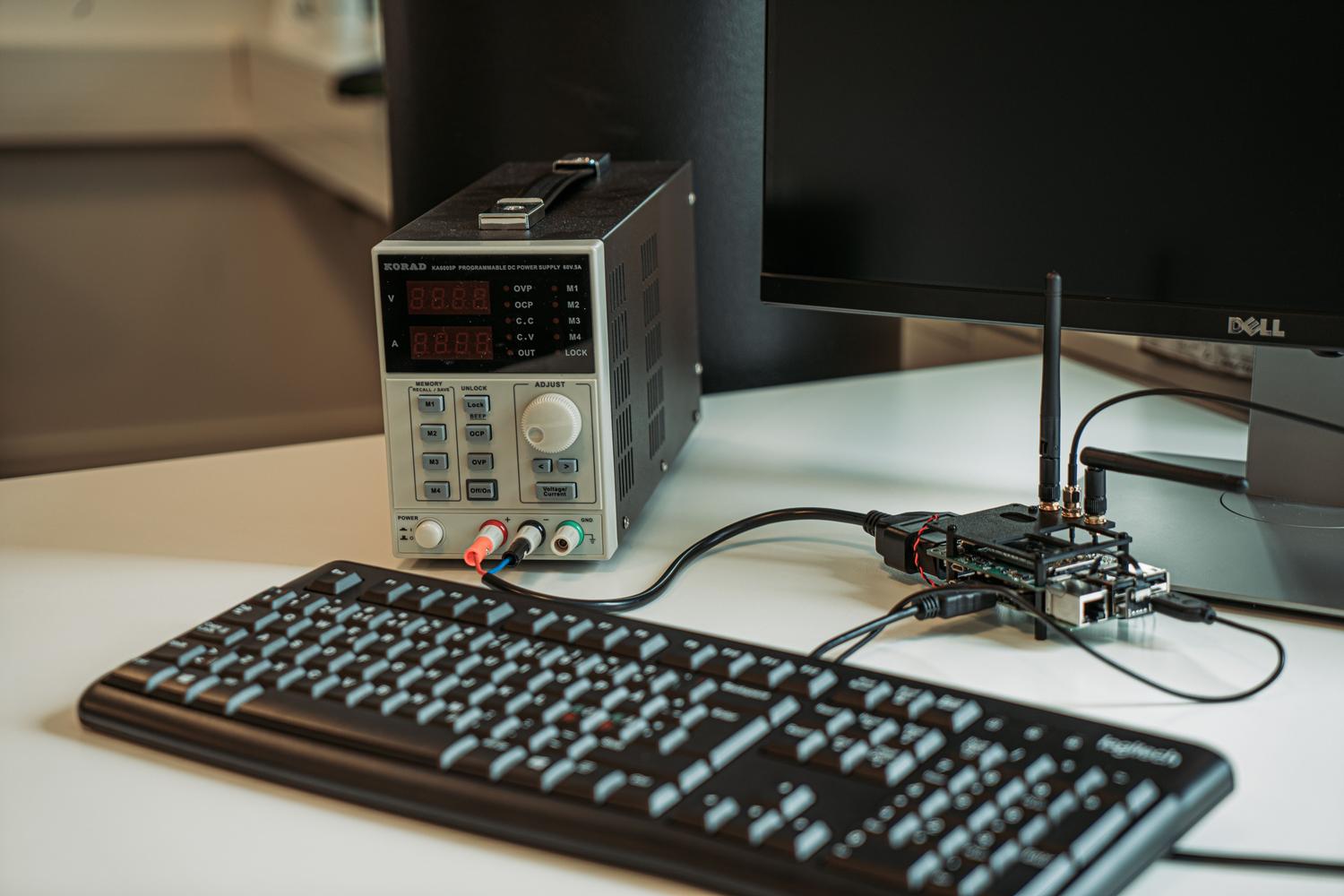
In terms of software, Amlogic and its partners have left nothing to chance. Support is surprisingly up-to-date, allowing you to run Android 16 and Linux version 6.12.69, along with U-boot 2025.01. To make life easier for programmers, a cross-build environment based on Ubuntu 22.04 is provided, which is essentially a pre-configured virtual machine with all the necessary tools and SDK to start coding right away.
Real-World Applications of Edge AI
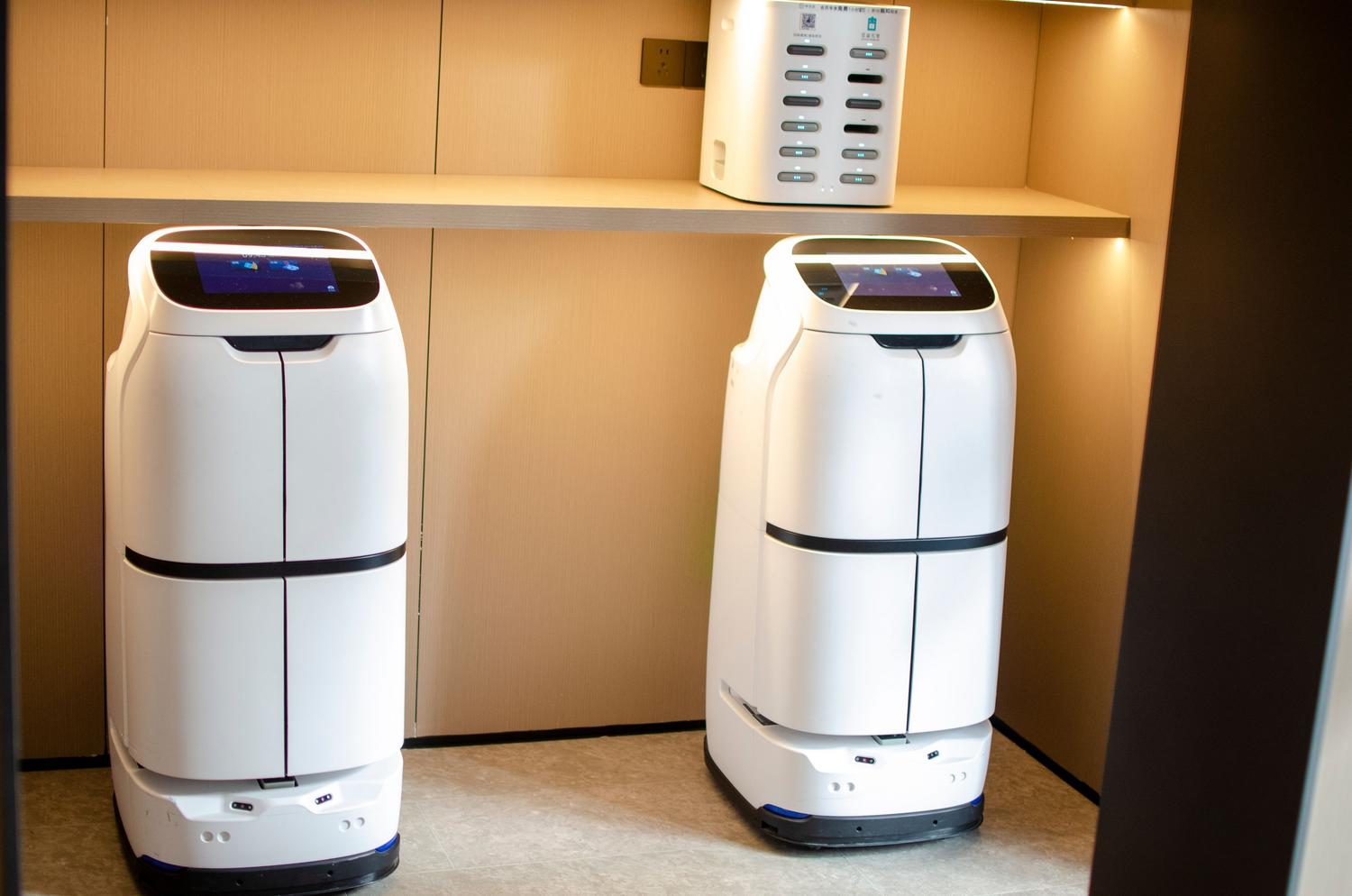
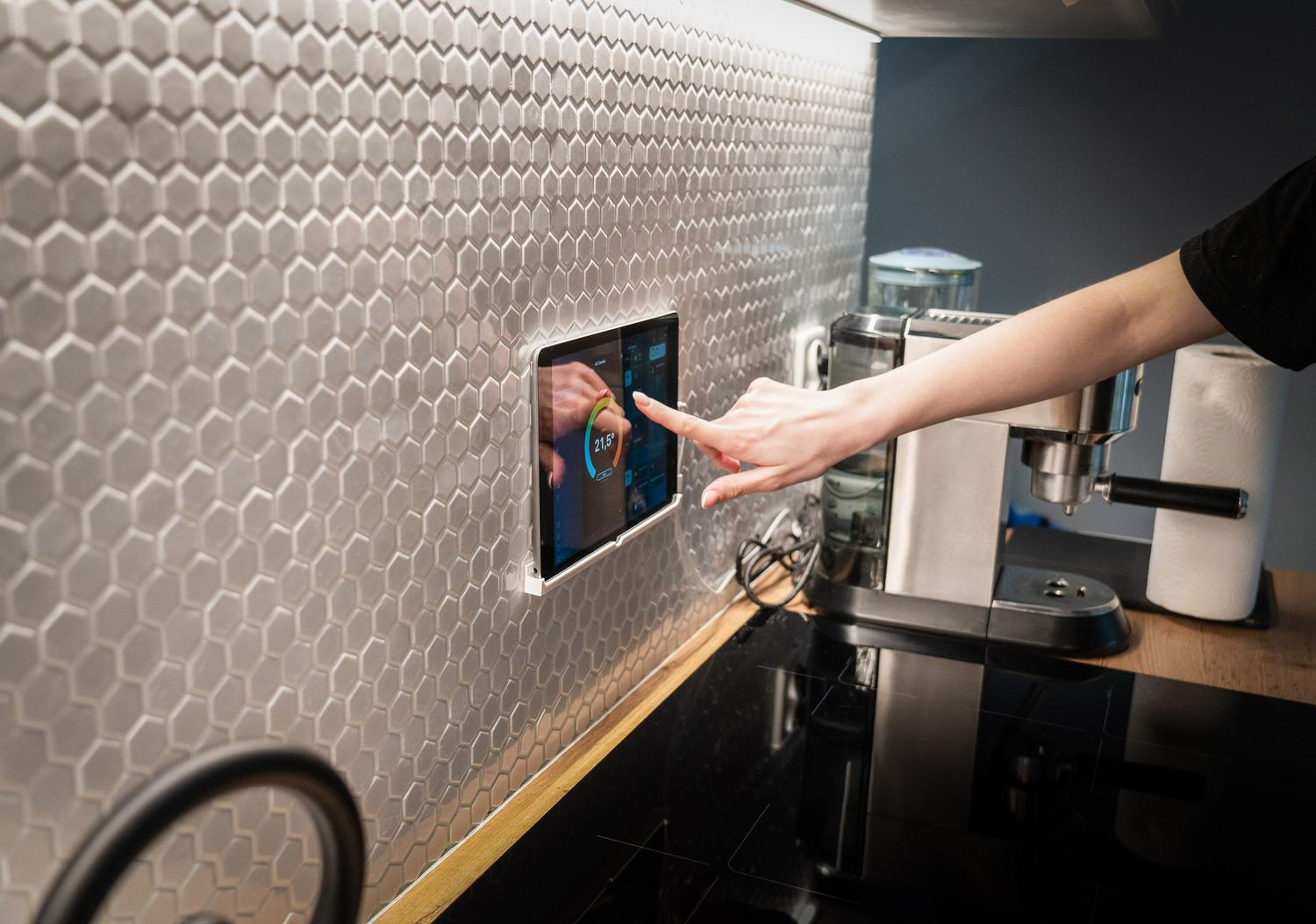
The versatility of this hardware allows it to adapt to a wide variety of sectors. In the field of service robotics , it is ideal for creating inspection robots that need to process images and voice locally. In the home, it is being implemented in smart displays and "AI Frames" that analyze family memories without sending photos to an external server, thus protecting user privacy.

It's also a winning option for smart digital signage and interactive terminals, where the device needs to analyze who is in front of it and adapt the content in real time. By processing everything at the edge, it reduces reliance on cloud infrastructure, lowering operating costs and eliminating latency.
Comparison: Edge AI vs. Cloud AI
It's important to understand why bother using a chip like the A311Y3 instead of a powerful cloud API. While cloud-based AI requires a stable connection and can take seconds to respond, Edge AI delivers millisecond-long answers . Furthermore, privacy is paramount, as raw data never leaves the device.
Although cloud computing is infinitely more scalable in terms of model size, edge hardware optimizes performance per watt , allowing small devices to perform complex inferences without the need for an industrial cooling system or an astronomical electricity bill.
This local computing ecosystem, led by the A311Y3, redefines machine interaction by integrating a powerful NPU, cutting-edge software support, and comprehensive connectivity, making artificial intelligence faster, more private, and more efficient in any industrial or home environment.
