
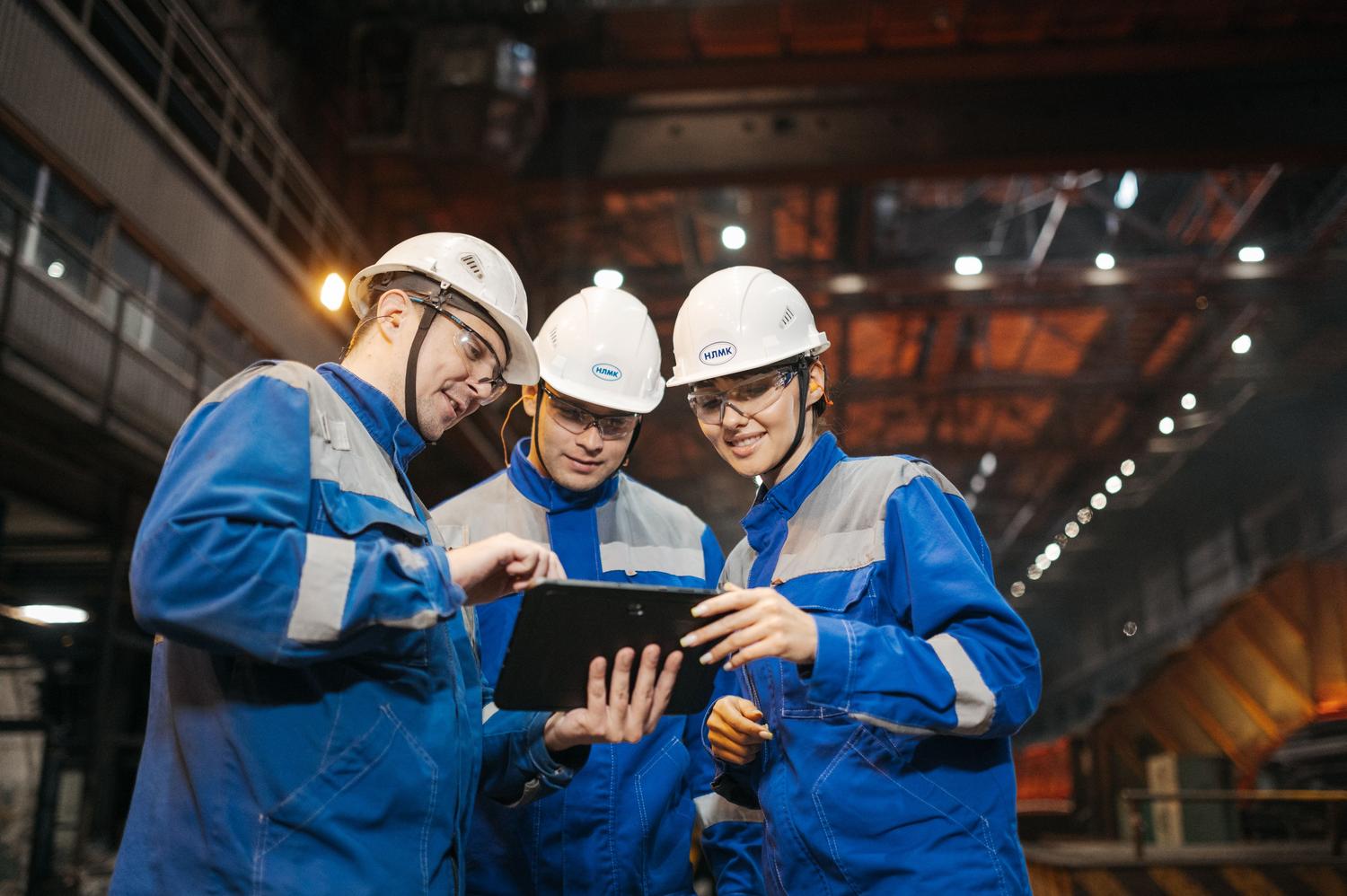
Today's industry finds itself at a fascinating yet daunting crossroads. We are witnessing the industrial sector accelerate the digitization of its assets and the transfer of knowledge, driven primarily by an unavoidable reality: the mass retirement of veterans and a critical shortage of young technical professionals. The real challenge for companies is not just buying new machines, but ensuring that newcomers get up to speed and achieve operational autonomy without compromising the quality of the final product or causing productivity to plummet.
The problem is that much of the know-how isn't written in any technical manual; it resides in the minds of those who can read a blueprint at a glance or anticipate a breakdown just by the machine's noise. When that expert leaves, the company suffers a learning hemorrhage that slows down the training of new employees and creates a dangerous dependence on a few individuals. To combat this, it's not enough to simply introduce more robots; tacit knowledge must be structured so that it ceases to be an individual secret and becomes a shared asset.

The digitization of knowledge in the production plant
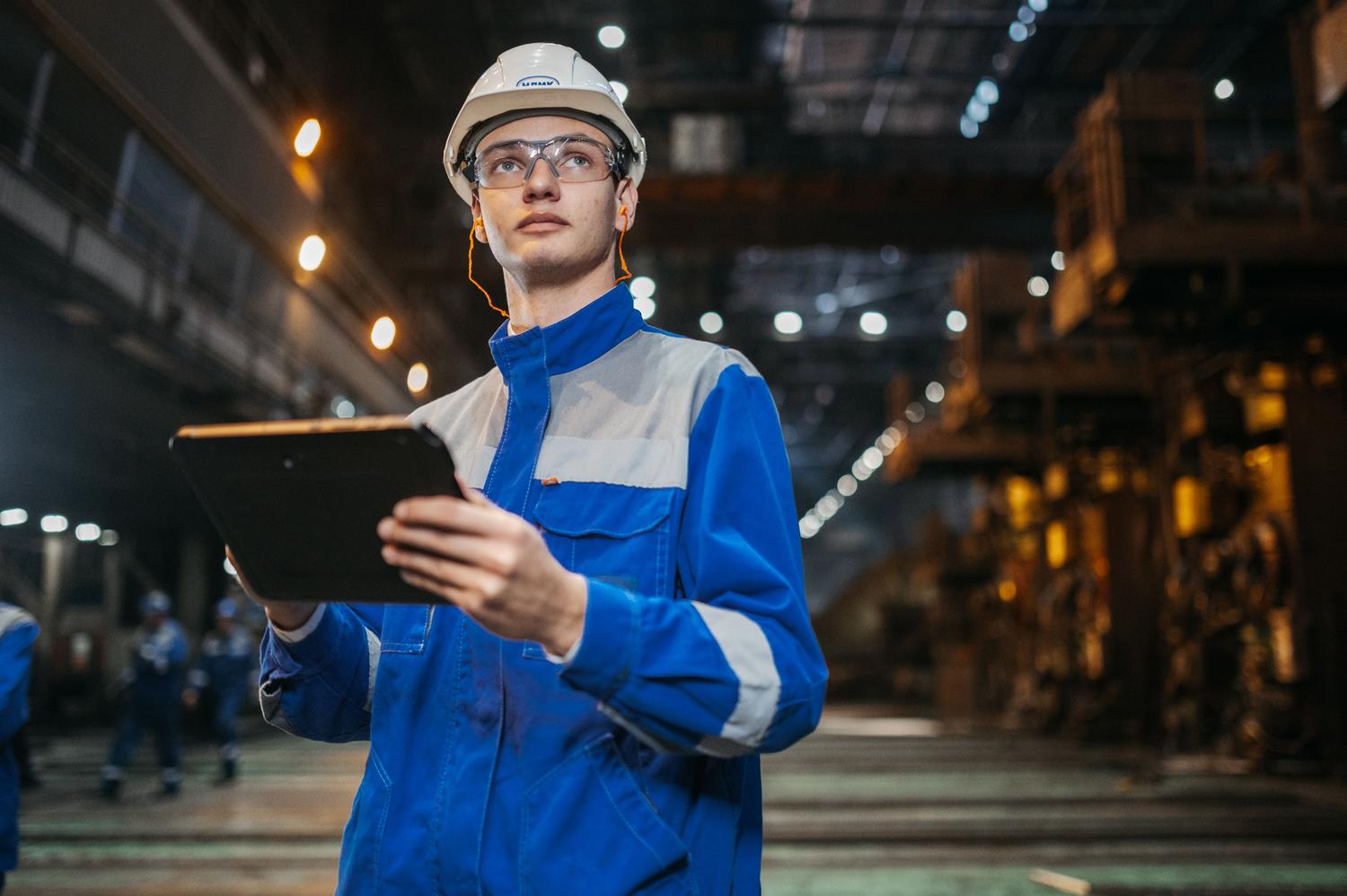
To eliminate reliance on an operator's memory, intelligent assembly solutions have emerged . Tools such as digital work instructions and guidance systems ensure that the right information reaches the worker precisely when they need it. A prime example is that of chemical equipment manufacturers who, by transitioning from complex technical drawings to standardized workstations with step-by-step guides , managed to cut configuration changeover time in half and drastically reduce assembly errors.
It's crucial to understand that digitization isn't about stripping employees of their judgment, but rather lightening the mental load of memorizing repetitive steps so they can focus on resolving issues. This way, experienced employees can apply their expertise to digital procedures, freeing up their time for optimization tasks, while newcomers integrate much more quickly. This approach aligns perfectly with the vision of Industry 5.0 , where people are once again at the center and competitiveness is measured by the agility with which human capital accesses knowledge.
Big Data and Artificial Intelligence: the brain of the factory
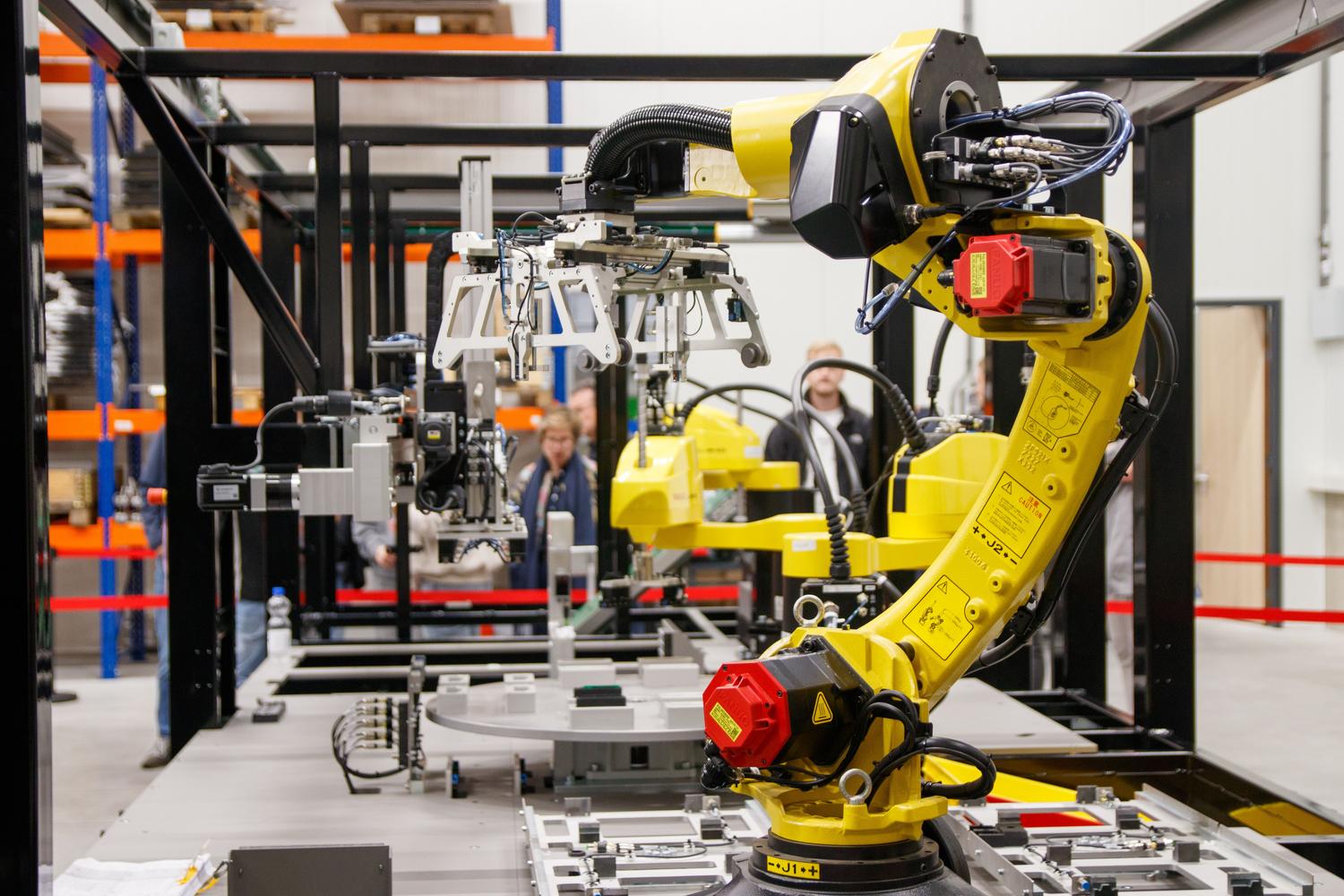
Digital transformation isn't just about collecting data for the sake of collecting it; it's about knowing what to do with it. The use of Big Data and advanced analytics allows for the processing of massive volumes of information in real time to predict scenarios and optimize everything from logistics to industrial maintenance and its professional management . Thanks to Artificial Intelligence and collaborative robotics , companies can make evidence-based decisions rather than relying on trial and error, thus reducing risks and optimization timelines.
This global interconnectivity allows all areas, from sales to inventory control, to speak the same language. Applying data science to the production environment creates a paradigm shift where predictability becomes the best tool for adapting to market fluctuations and improving operational profitability.

Dimensions and benefits of industrial transformation
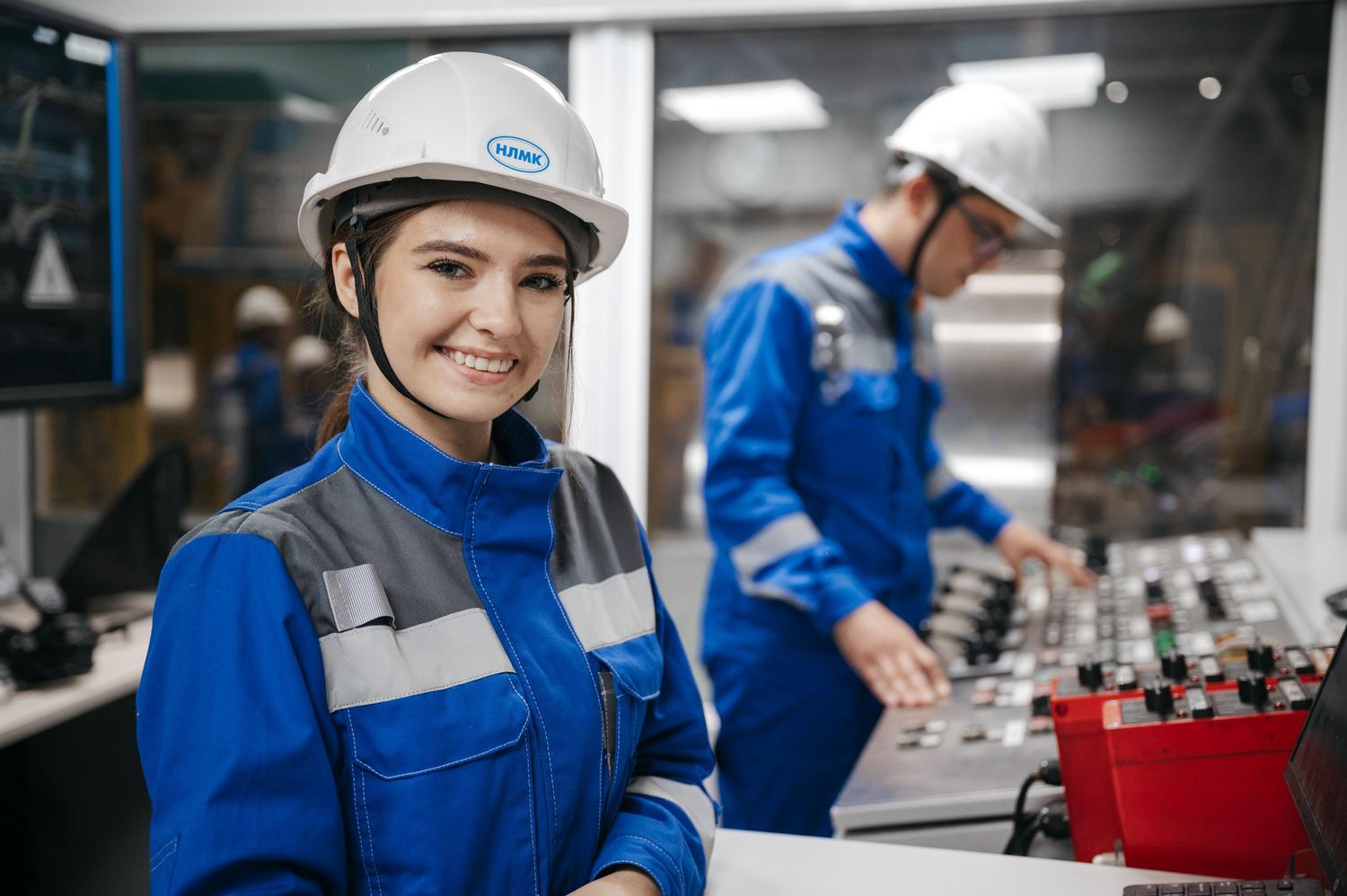
When we talk about digitizing an industry, we're not just referring to installing software, but to a holistic approach that impacts four main areas:
- Process transformation: Optimize the "how" of things, automating manual tasks in human resources, purchasing or supply chain to gain efficiency.
- Business model: Changing the way value is created, such as when a traditional industry launches digital services or applications to interact with its customers.
- Cultural change: Adapting the mindset of leaders and employees, which is usually the slowest but most crucial part of the process.
- Domain transformation: The ability of a company to jump into different technological sectors, diversifying its sources of income.
The benefits are tangible: greater cohesion between departments , the ability to decentralize production, and a significant improvement in employer branding to attract young talent. Furthermore, the use of IoT enables real-time quality control , detecting defects instantly and reducing environmental impact through smarter energy and raw material management.

Strategic challenges and technological sovereignty
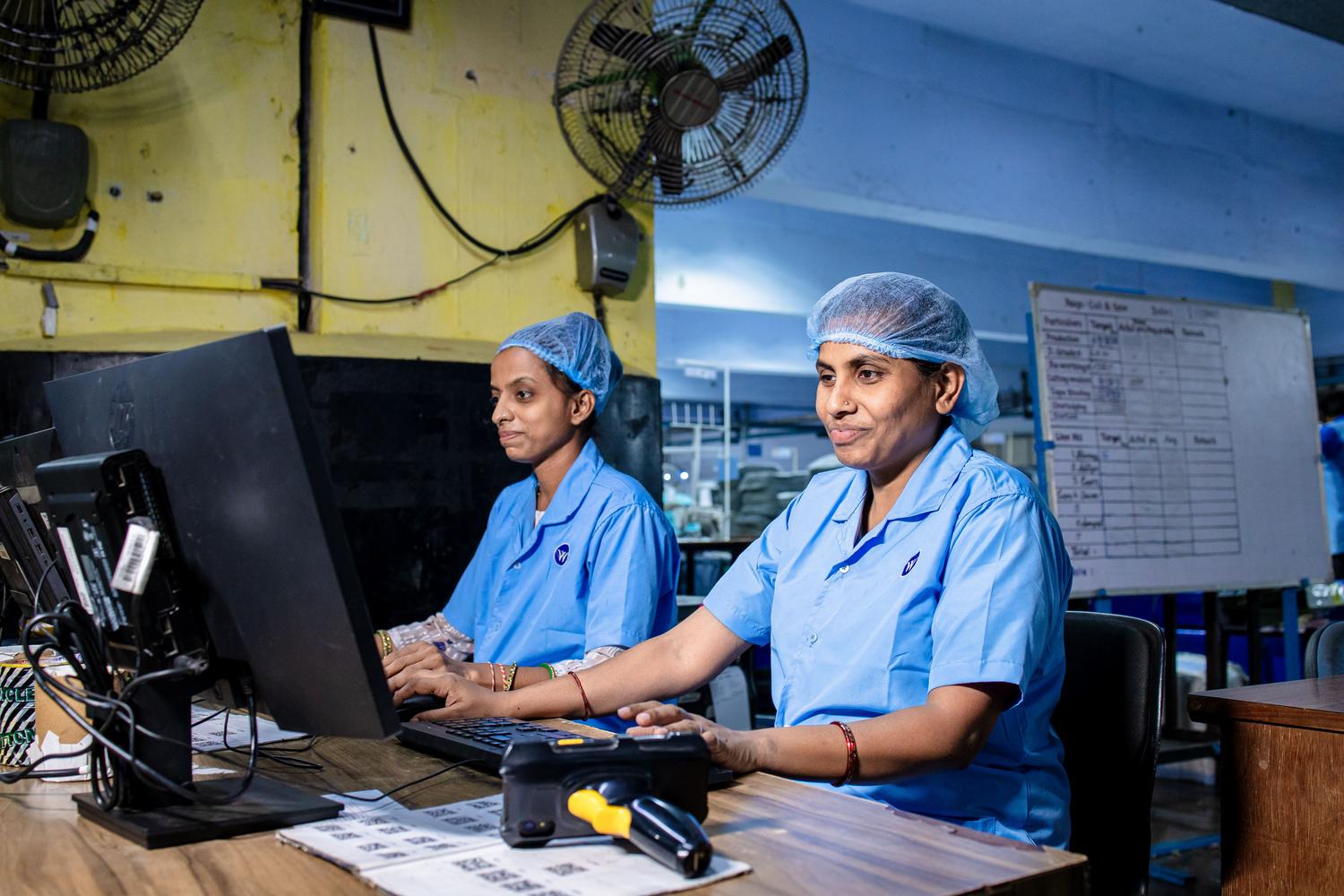
This path is not without its challenges. Companies in Spain face pressing issues such as data privacy and cybersecurity , especially when monitoring employee productivity. Furthermore, integrating new technologies with legacy systems can be complex. At a macro level, there is a need to industrialize digitalization ; that is, Spain and Europe should not only purchase foreign software but also manufacture their own sensors, microprocessors, and AI systems to avoid global dependence.
Creating deep tech ecosystems and fostering in-house innovation are vital to maintaining added value. The current geopolitical opportunity, with Asian companies seeking to relocate their production to Europe, makes this the ideal time to invest in specialized talent and continuous training , ensuring that SMEs do not fall behind in this technological race.
The factory of the future is one that successfully merges the power of connected machines with the human capacity to learn and transmit knowledge. By transforming individual knowledge into a structured and accessible resource, industries not only optimize their costs and timelines but also safeguard their operations against staff turnover and position themselves at the forefront of global competitiveness, ensuring that technology works for people, not the other way around.
