The Linux kernel never stops evolving. While users celebrate the arrival of version 7.2, developers are already working on 7.3, which promises significant improvements to the audio subsystem. But it's not all good news: Linus Torvalds, the system's creator, has expressed his frustration with the number of trivial bug fixes being submitted to the project, many of them generated using artificial intelligence.
The free software community is experiencing a bittersweet moment. On the one hand, the kernel incorporates notable technical improvements, such as support for AMD Zen 6 processors and HDMI 2.1 compatibility on Radeon graphics cards. On the other hand, Torvalds himself has had to step in to restore order in the face of a flood of patches that he considers irrelevant and which, in his opinion, only hinder development.

Linux 7.2: a highly anticipated version with important new features
Kernel version 7.2 has arrived with a list of improvements that have been very well received. Among them, support for AMD Zen 6 processors stands out , as well as HDMI 2.1 compatibility on Radeon graphics cards . Advances for various generations of Intel processors have also been included, along with the ability to boot Linux on some Apple M3-based systems. All of this has led many users to consider this iteration to meet expectations.
However, there has been no shortage of criticism regarding the number of patches and bug fixes added at the last minute. Linus Torvalds himself has come to the defense of the release. In an email sent to the developers, he explained that delaying the release would not have been a viable option and that, despite the late rollbacks, this was the right way to deal with code that wasn't ready. Torvalds acknowledged that the last week was busier than expected, but insisted that version 7.2 is stable and necessary.

Linux 7.3: Audio as the main focus
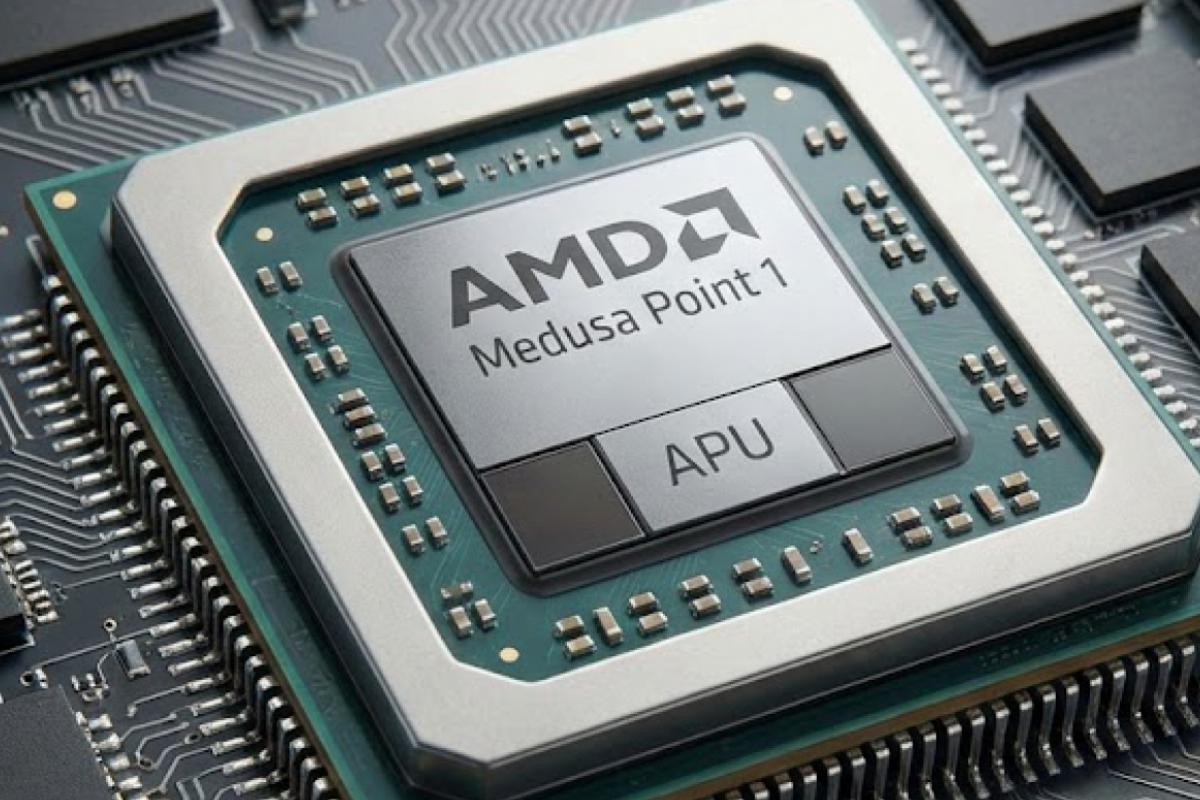
Meanwhile, the development of Linux 7.3 is already underway and is targeting one of the areas that often causes the most headaches for users: sound. According to the first drafts, the kernel will incorporate support for the AMD ACP7.B and ACP7.F platforms , as well as for several Qualcomm and Realtek chips. HDMI drivers will also be added for platforms like Hygon and Lisuan, and compatibility with codecs found in Lenovo, ASUS, and Acer laptops will be improved.
One of the most striking additions is the recognition of the Pioneer DJM-S11 professional mixer , a piece of equipment that costs around $2.269 and which, until now, did not run natively on Linux. This inclusion demonstrates that the kernel is not only concerned with consumer hardware but also with specialized tools. Furthermore, version 7.3 is expected to include improvements to USB audio and power management, which could benefit both laptops and desktop computers.
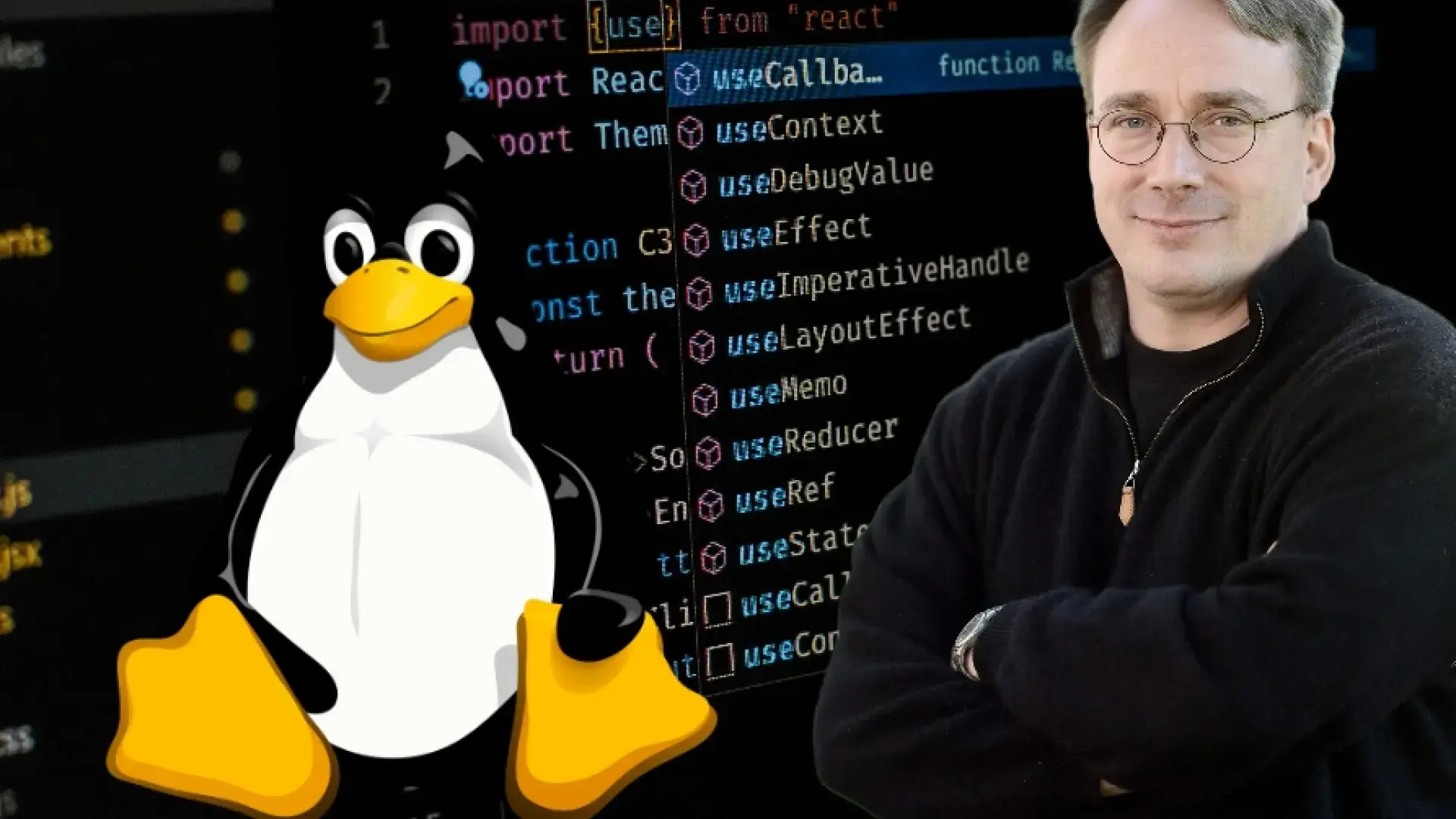

AI and trivial patches: Torvalds' patience is running out
But it's not all good news. Linus Torvalds has spoken out again, this time against the excessive use of artificial intelligence tools to fix kernel bugs. During the Linux 7.1 Release Candidate 5 phase, the Finnish engineer already expressed his discontent with the large number of trivial patches that were clogging up the development process . In his message, he described many of these fixes as irrelevant and pointed out that they were consuming time and resources that could be dedicated to more important tasks.
The problem, according to Torvalds, is that many contributors are using AI to detect and fix minor bugs, but they're doing so at inappropriate times. Furthermore, there have been cases of multiple people working on the same bug without realizing it, leading to a confusing and inefficient patching process. Faced with this situation, the father of Linux has announced that he will be more inflexible from now on and will begin rejecting pull requests that don't offer real value. "Trivial fixes may have a low probability of causing problems, but low probability is not the same as zero probability," he concluded.

The situation has sparked intense debate within the community. While some argue that AI can help keep the code clean, others believe its indiscriminate use is harming the project's stability . The truth is, Torvalds isn't opposed to artificial intelligence itself, but rather to its misuse. In his opinion, these tools should be used for more complex tasks and not to flood the kernel with patches that add no value.
Looking to the future, developers are already working on integrating Linux 7.3, which will first arrive on rolling-up distributions like Arch Linux and Manjaro. Meanwhile, the community hopes that Torvalds' warnings will help bring order to the system and allow the kernel to continue evolving without losing its core essence. The combination of new versions with tangible improvements and stricter code management could be the key to maintaining the project's long-term health.
In short, the Linux kernel continues its unstoppable advance with versions 7.2 and 7.3, which bring significant hardware and audio improvements. However, the growing reliance on artificial intelligence to generate trivial patches has raised concerns for Linus Torvalds, who has already announced measures to curb this trend. The coming months will be crucial to see if the project can maintain its balance between innovation and stability, while the community closely watches every move by the system's creator.