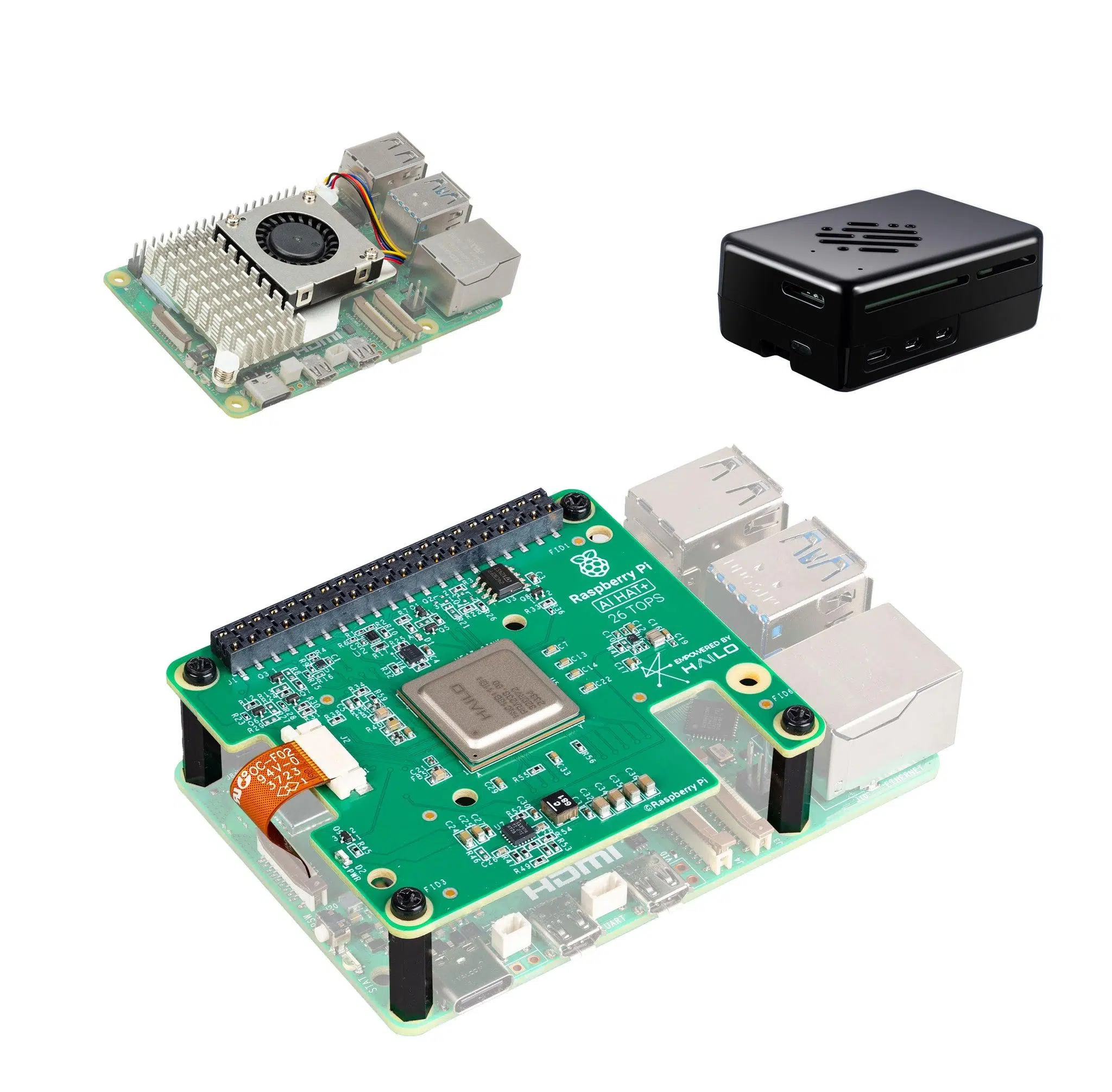
The rise of artificial intelligence has revolutionized how we interact with technology, and the arrival of the Raspberry Pi AI HAT+ is a prime example of how this trend is accessible to all kinds of users and projects. If you've ever considered enhancing your Raspberry Pi 5 with advanced AI computing capabilities, this accessory is the leap you've been waiting for, combining accessibility, efficiency, and robustness on a single board.
Since the maker and professional community focused on computer vision, real-time data processing, and deep learning, few accessories have generated as much excitement as the AI HAT+ . Whether you're planning to build a smart camera, develop an advanced home automation system, get started in robotics, or conduct research in the educational field, you'll want to learn all about its features. Below, we explain everything you need to know about this component, which is poised to be a game-changer for Raspberry Pi projects, in a comprehensive and clear way.
What is the Raspberry Pi AI HAT+ and what is it used for?
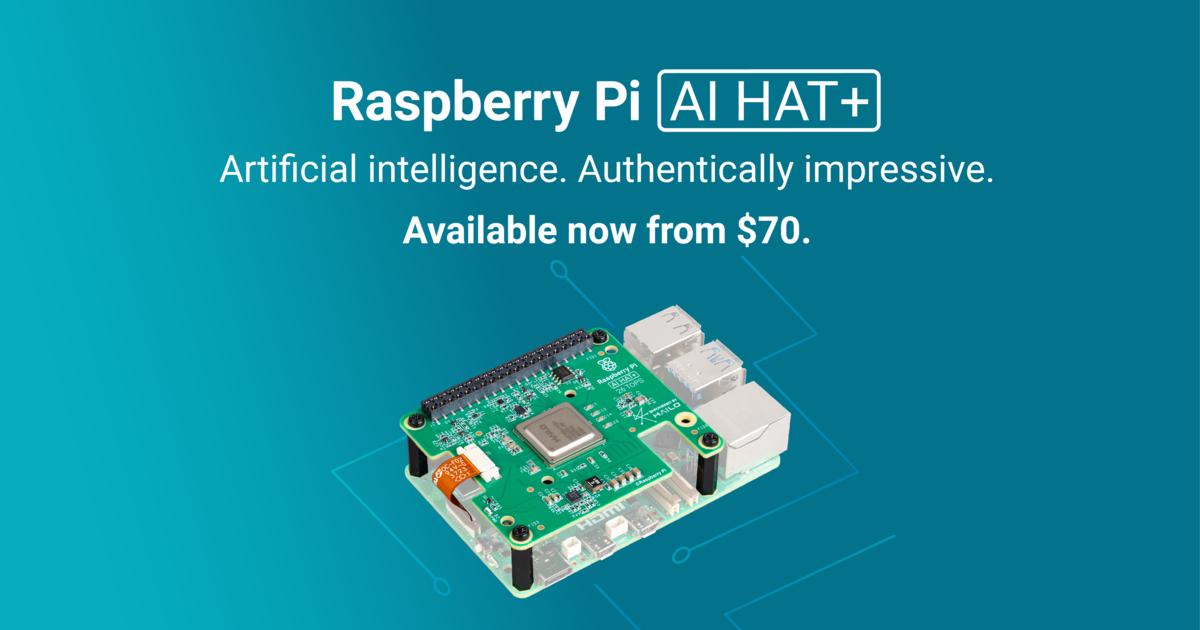
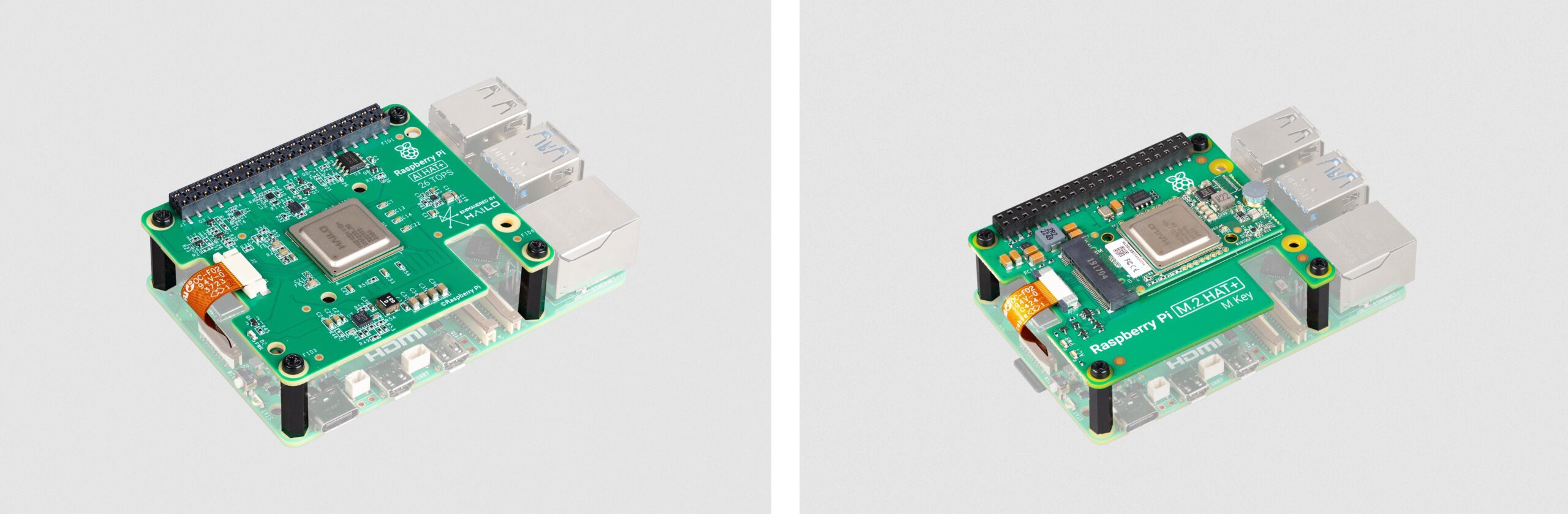
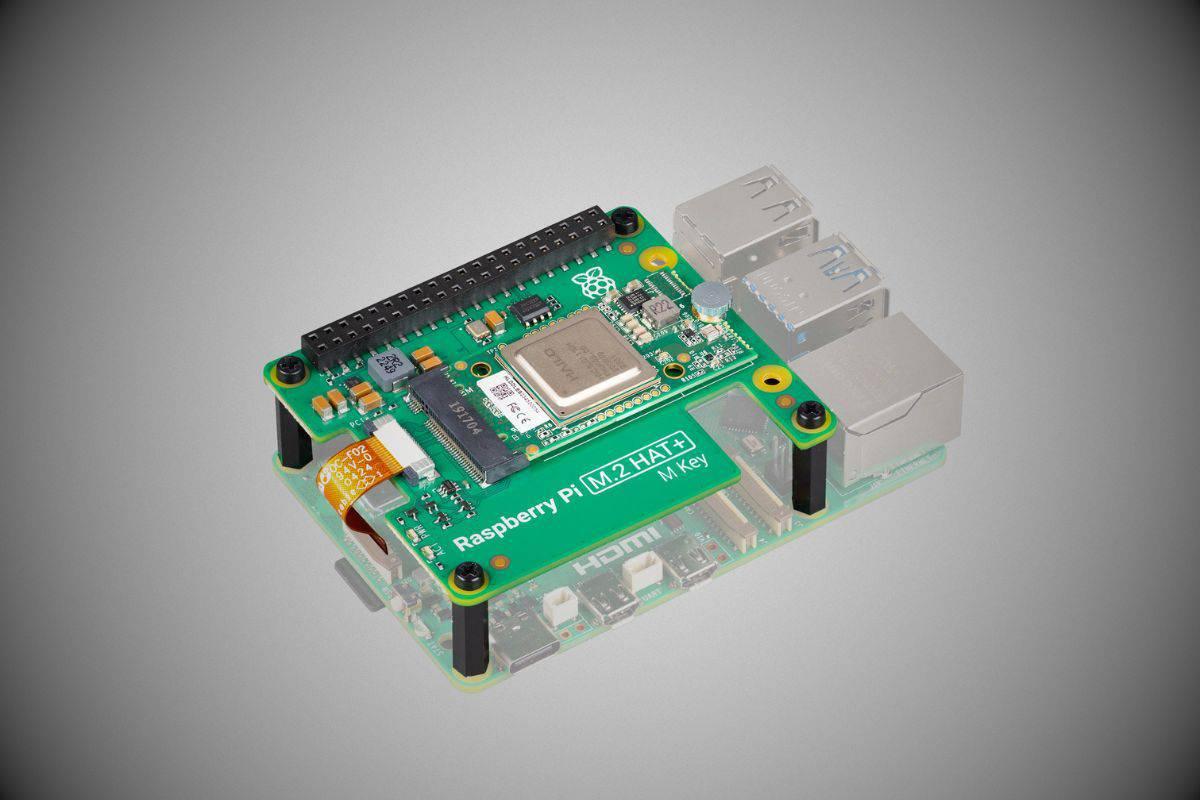
The Raspberry Pi AI HAT+ is an expansion board designed specifically for the Raspberry Pi 5, incorporating a powerful AI accelerator . Its main function is to take AI processing performance to a new level, allowing the Raspberry Pi to run deep learning models, advanced computer vision tasks, speech recognition, and many more applications in real time, without the limitations of conventional hardware.
This is a plug-and-play device that connects directly to the Raspberry Pi 5 via the PCIe Gen 3.0 interface . This simplifies installation, making it quick and easy, and also facilitates integration with the rest of the hardware, ensuring maximum data transfer speeds between the HAT+ and the main board. Whether for home, industrial, educational, or research applications , the AI HAT+ greatly expands the system's capabilities.
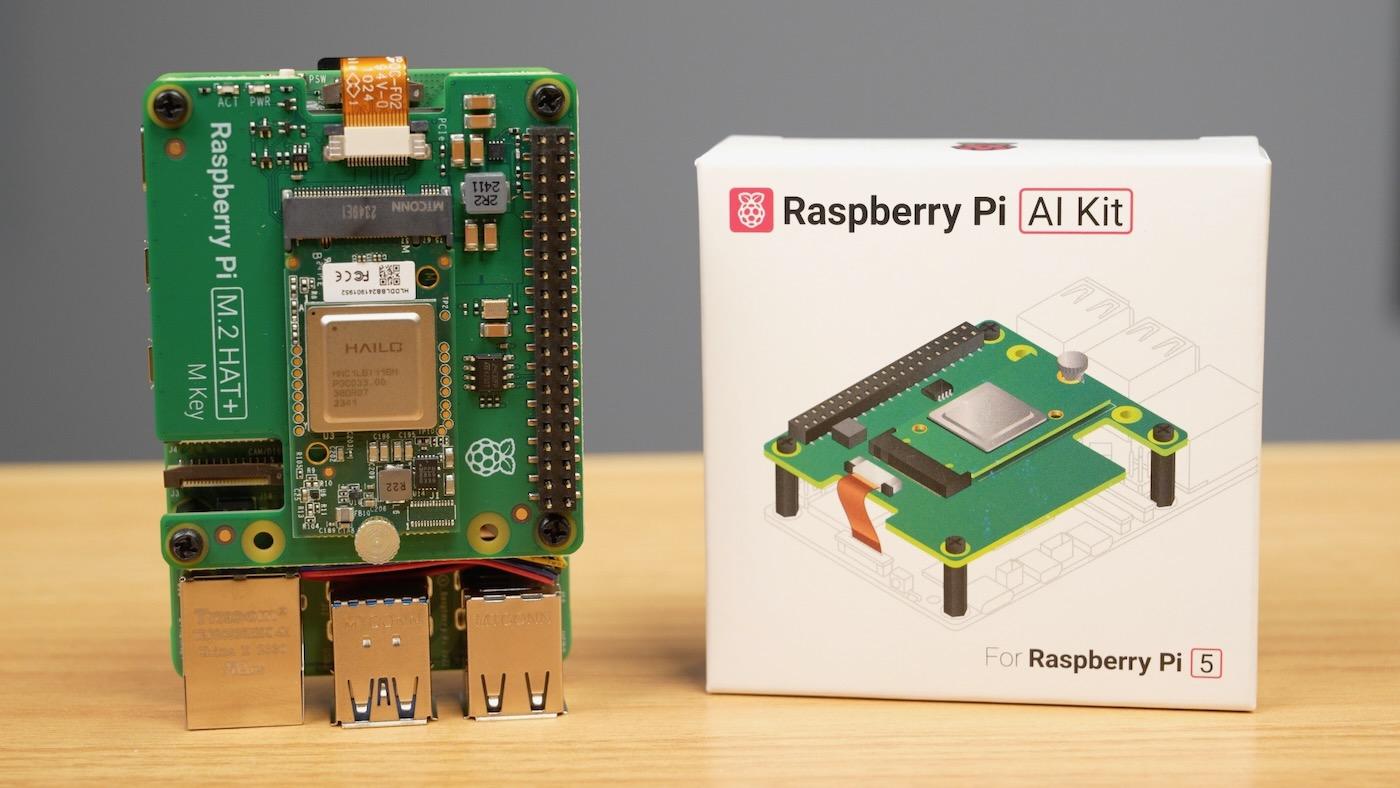
One of the biggest advantages over previous solutions, such as the AI kit that relied on the M.2 connector, is that the Hailo accelerator chip is integrated directly into the AI HAT+ PCB . This improves heat dissipation , allowing the system to handle heavier and more prolonged workloads without compromising stability or performance.
Available models and key differences: 13 TOPS and 26 TOPS
Currently, the Raspberry Pi AI HAT+ family is marketed in two main variants, which are distinguished by their processor and computing capacity:
- AI HAT+ 13 TOPS: incorporates the accelerator Hailo 8L and is capable of performing up to 13 tera-operations per second (TOPS).
- AI HAT+ 26 TOPS: equip the Hailo 8, doubling the power up to 26 TOPS.
The term TOPS refers to the number of operations a device can perform per second, a key metric for understanding its performance . The 13 TOPS variant is perfect for home automation projects, video analytics, basic robotics, or educational tasks requiring speed and efficiency without consuming all the system's power.
However, the 26 TOPS option is designed for much more demanding applications , such as industrial automation, advanced machine vision, big data analytics , or projects that require running multiple AI models simultaneously. The difference in power allows you to select the model that best suits your needs and budget, without overspending if intensive use isn't required.
Main technical characteristics and advantages of the AI HAT+
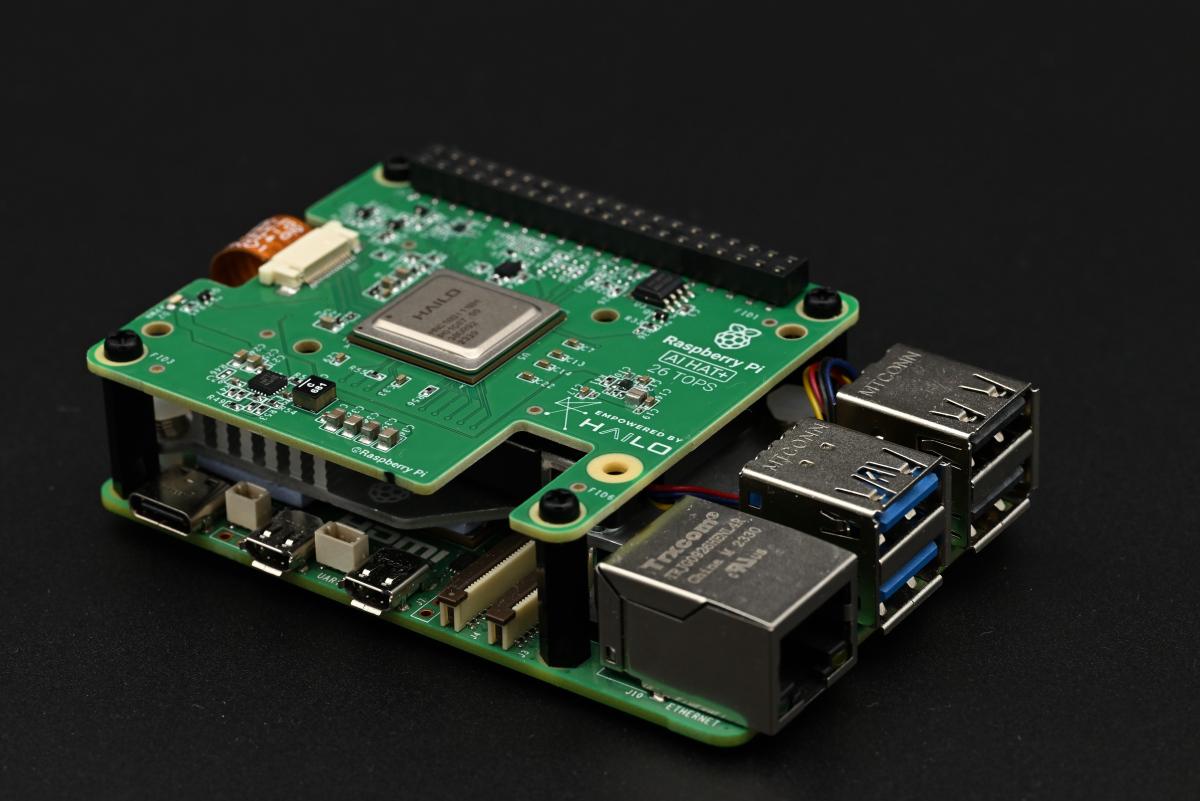
- Hailo-8 or Hailo-8L processor: designed to offer maximum energy efficiency and inference speed.
- PCIe Gen 3.0 interface: ensures fast and stable communication with the Raspberry Pi 5.
- full compatibility with Raspberry Pi OS operating systems and automatic recognition of the accelerator by the system.
- Native support for rpicam-apps: Camera apps use the NPU of the HAT+ for AI tasks without additional configurations.
- Low energy consumption: ideal for projects mobile, embedded and IoT that require efficiency.
- Operating range 0°C to 50°C: optimal temperature management for intensive and prolonged work.
- Includes 16mm stackable connector, spacers and screws for easy mounting even if you have the Active Cooler installed.
The AI HAT+ also complies with the official Raspberry Pi HAT+ specification , guaranteeing maximum compatibility, robustness, and ease of physical and electronic integration with the motherboard.
Raspberry Pi AI HAT+ Featured Applications
This AI HAT+ allows the deployment of increasingly powerful applications, such as:
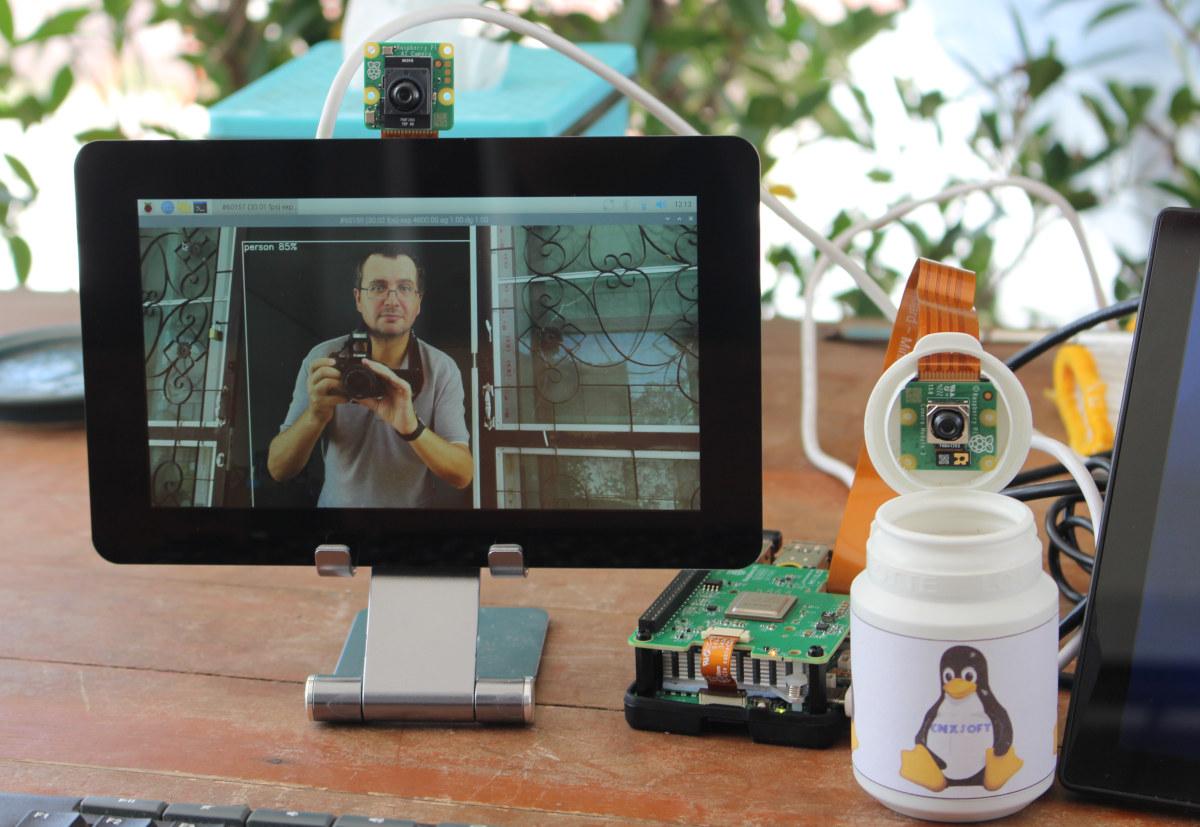
- computer vision: object recognition and tracking, real-time video analysis, image segmentation and advanced pose estimation.
- Industrial process control: production line monitoring, defect detection, flow monitoring and response automation.
- Home automation: intelligent surveillance systems, voice control, facial recognition and energy optimization.
- Security and vigilance: anomaly detection, facial identification and real-time authentication, with high reliability.
- Collaborative: autonomous navigation, environment interpretation, and rapid decision-making for robots in different fields.
- Smart IoT: devices that interpret data and respond automatically, without relying on the cloud.
Thanks to support for frameworks like TensorFlow, TensorFlow Lite, Keras, PyTorch, and ONNX , the development possibilities are limitless. You can run existing models or create your own tailored to specific tasks.
Advantages that make the difference compared to other AI solutions
The AI HAT+ stands out from other options due to several advantages:
- Plug-and-play: Simple installation, no additional hardware or special tools, ready in minutes.
- Better thermal management: Hailo chip integrated into the PCB, facilitating efficient dissipation and supporting intense loads.
- Automatic detection: The Raspberry Pi 5 recognizes the HAT+ and activates the NPU as soon as it is connected, without any manual steps.
- Software support: Optimized for vision and analysis tasks on Raspberry Pi OS, allowing native model execution and object detection.
- Accessory compatibility: can be mounted together with the Active Cooler and other elements without any problems.
Its affordable cost and excellent price/performance ratio make the AI HAT+ a balanced option for experimenting with local AI, guaranteeing privacy and lower latency compared to cloud solutions.
Integration and compatibility with the Raspberry Pi ecosystem
The Raspberry Pi AI HAT+ is fully integrated with the Raspberry Pi ecosystem. Designed according to the HAT+ specification , it simplifies assembly and physical compatibility. Furthermore, Raspberry Pi OS automatically detects and configures the AI HAT+ at boot, making it even easier to use.
Camera applications (rpicam-apps) automatically detect the Hailo accelerator and redirect processing to the NPU, optimizing performance and freeing up CPU resources. The user experience is as simple as plug and play, with no need to install manual drivers. It is also compatible with official accessories such as cooling systems, cases, and expansion modules.
Raspberry Pi AI HAT+ FAQ
- Is the AI HAT+ compatible with other versions of Raspberry Pi?
This accessory is exclusive to the Raspberry Pi 5 due to its PCIe Gen 3.0 interface. It doesn't work with older models like the Raspberry Pi 4. - Does it require additional power?
La AI HAT+ It gets all its power through the Raspberry Pi 5's PCIe port, without any extra cables. - What AI applications and models can I use?
From object detection, facial recognition, video analysis, image segmentation to voice processing and data analysis, with compatibility in frameworks such as TensorFlow, Keras or PyTorch. - Do I need to install software or drivers?
No, the operating system Raspberry PiOS now supports automatic detection and use of the AI HAT+ NPU. - What is its temperature range?
Operates between 0 ° C and 50 ° C, suitable for most environments.
Accessories included and easy installation
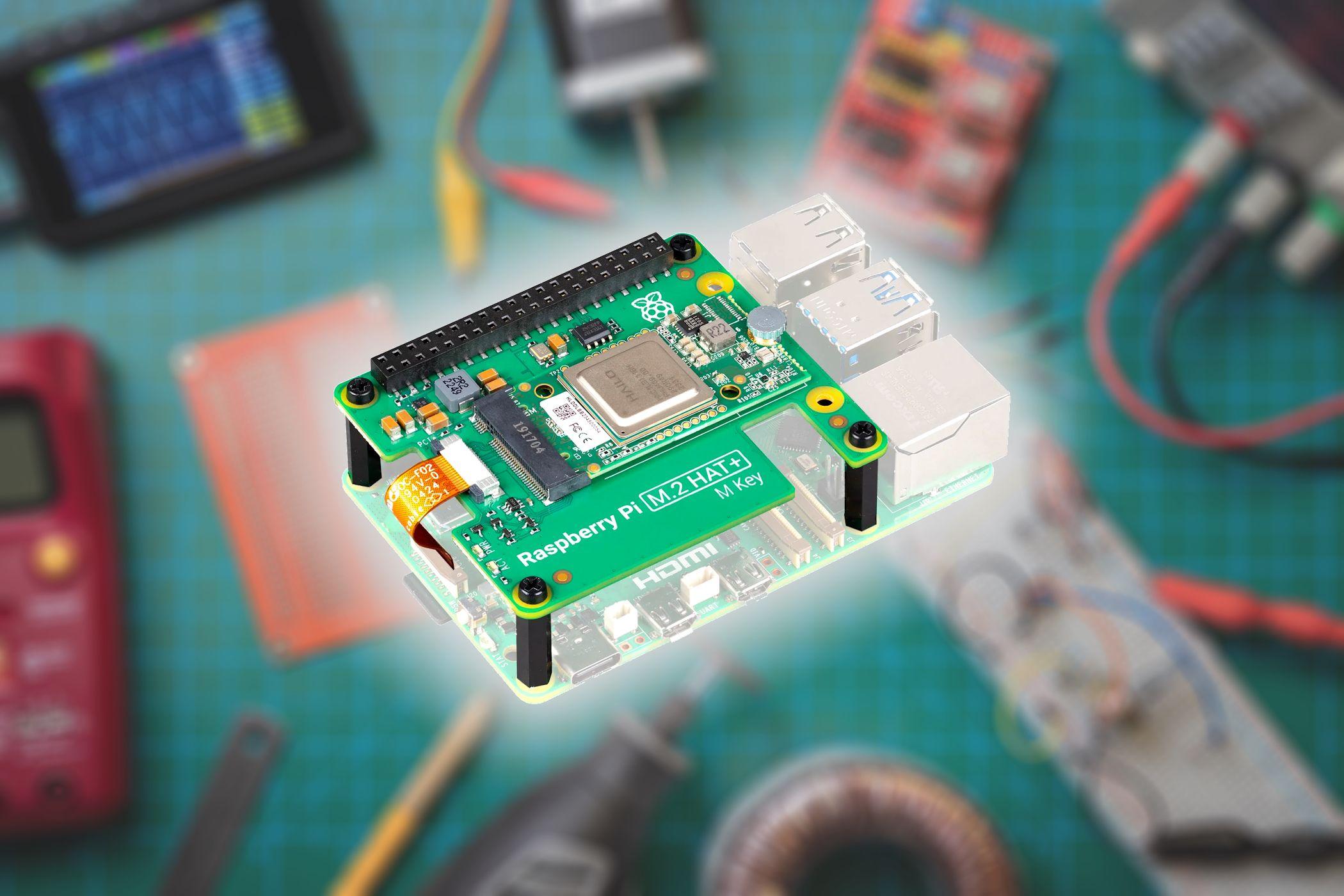
This kit includes everything needed to mount the AI HAT+ on the Raspberry Pi 5, such as a 16mm stackable connector , spacers, and screws, allowing for easy and stable mounting even with an active cooler installed. No additional components are required, and installation takes only minutes following basic instructions.
Potential and advanced uses of the AI HAT+ in the real world
The AI HAT+ opens up a wide range of possibilities for all kinds of projects. From educational applications and workshops to industrial projects requiring advanced processing, real-time decision-making, and edge data analysis.
Its 13 or 26 TOPS capacity allows for running multiple models in parallel, ideal for security systems, smart stations, data analytics, robotics, medicine, or advanced agriculture. Compatibility with frameworks such as TensorFlow, Torch, Keras, and ONNX ensures there are no limitations on the tools you can use.
For those looking to develop industrial process control, advanced home automation, smart surveillance, or IoT devices with autonomous decision-making, the AI HAT+ is a very attractive and versatile option.
Its PCB integration, improved thermal management, and automatic detection ensure robustness for permanent installations or demanding environments. In computer vision, it can be used to mount everything from smart cameras for people counting, vehicle identification, and access control, to roadside assistance systems or collaborative robotics.
For training, the AI HAT+ allows students and professionals to experiment with professional tools and understand how applied AI works in practice.
Ultimately, it offers powerful, efficient, and well-documented hardware, without high costs or configuration complications, making it a mature solution for making the leap to advanced AI with the Raspberry Pi ecosystem.
Table of Contents
- 1 What is the Raspberry Pi AI HAT+ and what is it used for?
- 2 Available models and key differences: 13 TOPS and 26 TOPS
- 3 Main technical characteristics and advantages of the AI HAT+
- 4 Raspberry Pi AI HAT+ Featured Applications
- 5 Advantages that make the difference compared to other AI solutions
- 6 Integration and compatibility with the Raspberry Pi ecosystem
- 7 Raspberry Pi AI HAT+ FAQ
- 8 Accessories included and easy installation
- 9 Potential and advanced uses of the AI HAT+ in the real world