
Indra Group has completed the acquisition of 100% of Dares Technology , a Catalan company specializing in synthetic aperture radar and image processing. The acquisition aims to strengthen its capabilities in advanced radars, unmanned systems, and critical technologies for defense and space.
The company, chaired by Àngel Simón, is thus taking another step in its industrial strategy, incorporating a compact sensor and specialized software that can be applied to both civilian and military uses. This move is part of its commitment to SAR radars and unmanned platforms.

What does Dares Technology bring to Indra's business?
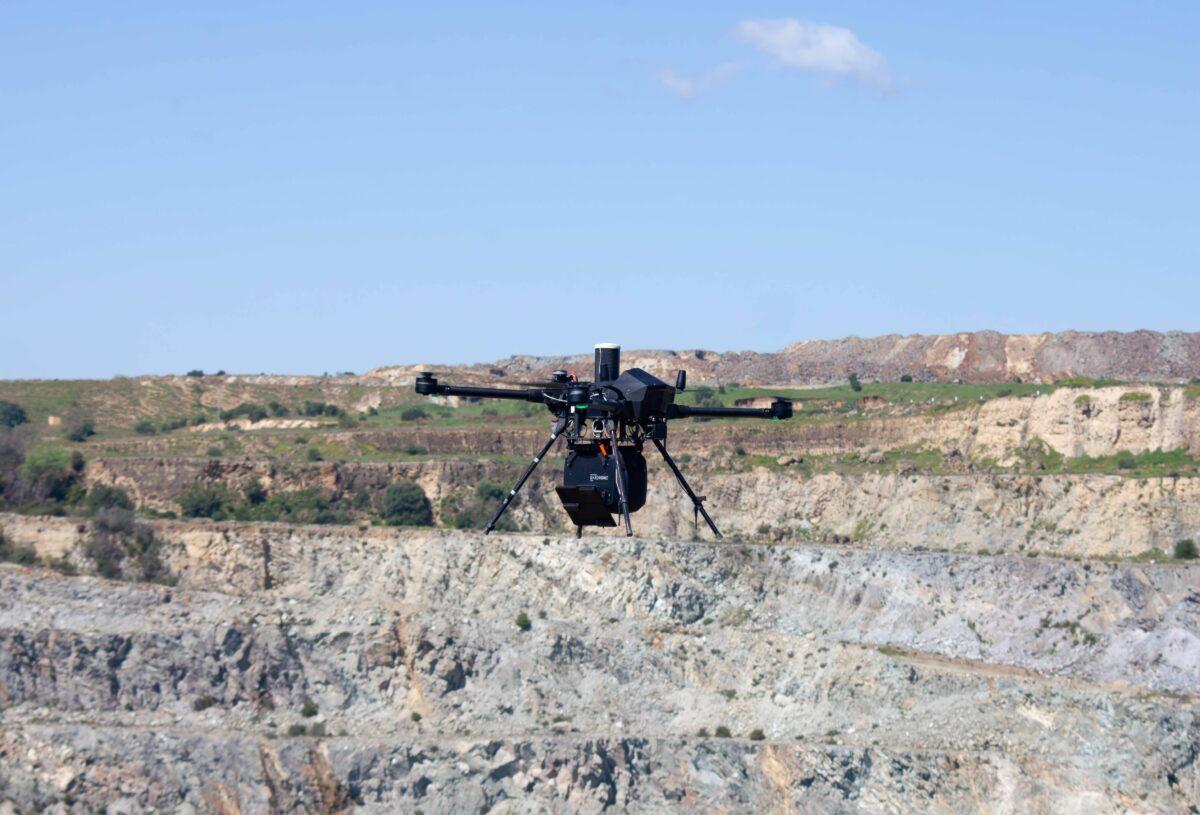
Dares Technology was founded in 2015 in Castelldefels (Barcelona) and started as one of the Deep Tech startups linked to the European Space Agency's Business Incubation Centre , known as ESA BIC. Until now, it had focused its activity on SAR image processing services for mining and infrastructure, in addition to developing its own radar.
The radar that Indra is now acquiring stands out for its small size and high performance . It allows for the capture of highly precise images and, together with the processing software, the analysis of these images to detect virtually imperceptible variations in the terrain.
With this integration, Indra will be able to maintain and expand existing solutions for civilian applications while developing new capabilities for the defense sector. The company believes this technology aligns with its goal of mastering its own radar systems.

Applications in defense, maritime surveillance and space
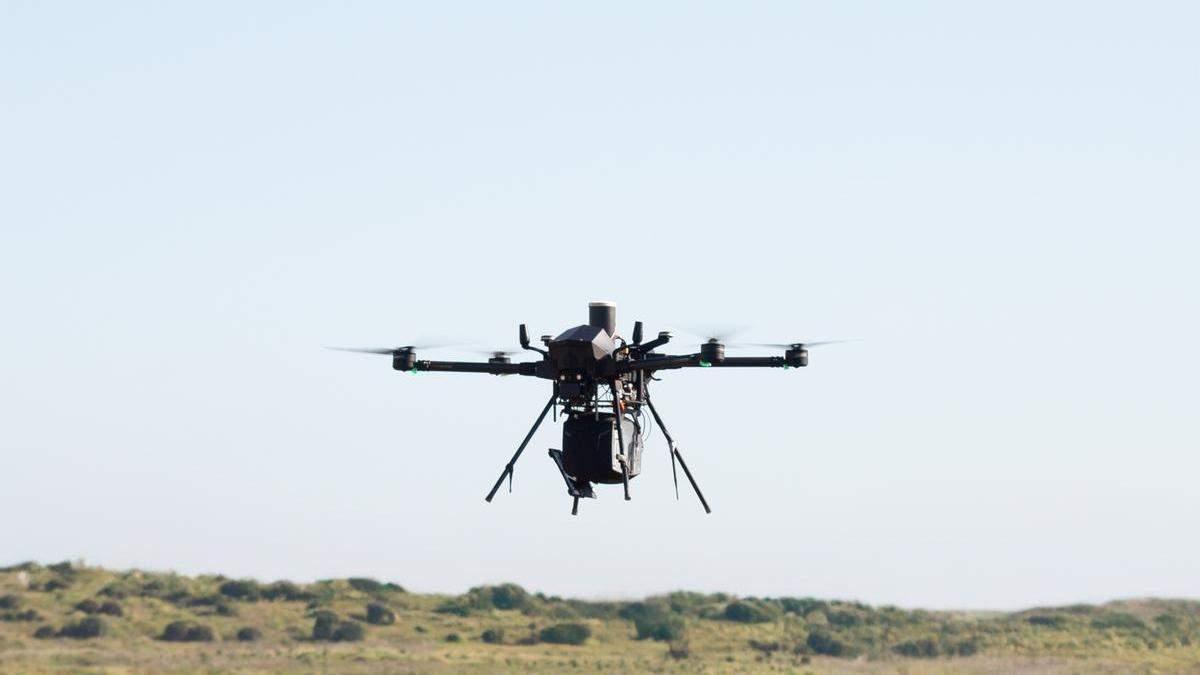
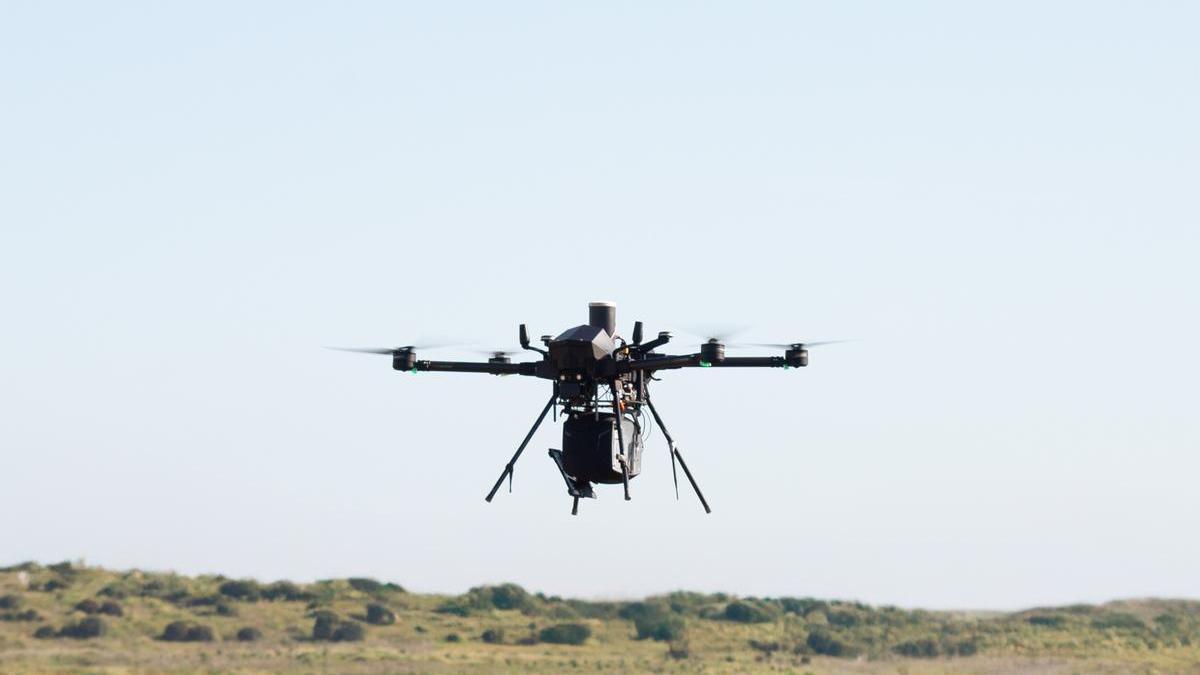
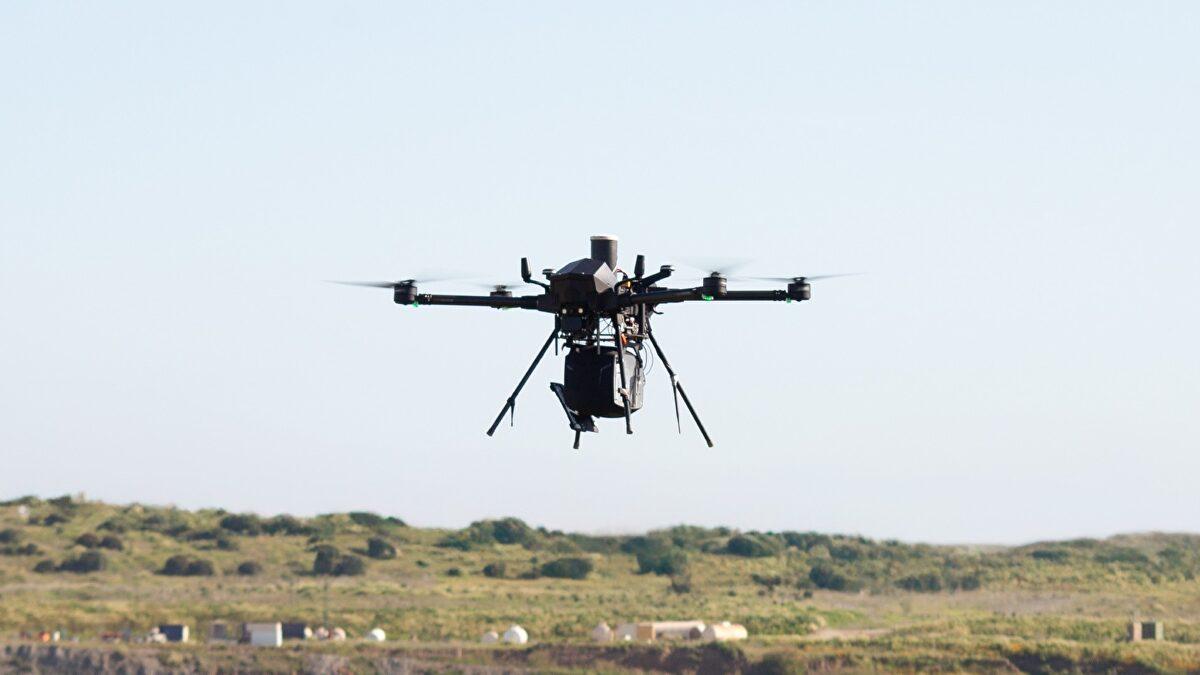
One of the most notable applications will be the integration of the radar into the Tarsis family of drones . Indra aims to accelerate the development of Class I unmanned systems , those weighing less than 150 kilograms, for the Armed Forces as part of the Special Modernization Program it leads.
To achieve this, the sensor will be adapted to the specific requirements of the military sector and prepared for critical missions. These include the creation of high-precision topographic maps and the detection of changes of just a few centimeters in the terrain—a useful capability for monitoring the movement of people, vehicles, and other elements on the ground.
The technology can also be used for maritime patrol, border control, and vessel tracking. In addition, it has potential applications in Earth observation from satellites and the continuous monitoring of critical infrastructure or areas of strategic interest.

Another advantage is that these systems operate independently of sunlight and in adverse weather conditions. This autonomy is crucial for intelligence, surveillance, and reconnaissance (ISR) missions , enabling high-resolution imaging and advanced analysis in near real-time.
Reinforcement of the radar center and market position
The acquisition also brings a team of 27 specialists from Dares Technology into Indra's Radar Center of Excellence. This expands the group's internal expertise and capacity to develop these types of systems.
Indra is also entering the synthetic aperture radar segment, where it believes the supply of solutions with this level of sophistication is limited. This acquisition expands its portfolio within the Weapons & Ammunition business and strengthens its position in the design, development, and manufacturing of radars.
In parallel, the acquisition accelerates the development of advanced unmanned systems, an area with both military relevance and commercial potential . The company aims to combine its own platforms with sensors capable of operating in demanding environments.
With this acquisition, Indra reinforces its commitment to defense and space by integrating Dares Technology , a compact radar, advanced SAR software, and a specialized technical team. The goal is for future Tarsis drones and other platforms to be able to observe large areas, detect minute changes, and maintain surveillance operations in challenging conditions.
