

The wait is finally over for Linux users who have long been requesting an official ChatGPT application. OpenAI has confirmed the release of the preview version of its desktop client for this operating system, fulfilling one of the most frequent demands from the open-source community. Until now, Linux users had to make do with the web version or unofficial solutions created by third parties, but that changed this week.
The announcement was made through the company's official accounts, where they detailed that the application is now available for download worldwide. However, it is a preview version, so it likely still contains bugs or some features may not be fully polished. Even so, the move makes it clear that OpenAI wants to be present on all major desktop platforms, something its competitors were already beginning to do.
What the app includes and how to download it

The new desktop application brings together the three main components of OpenAI's service in one place. First, there's the classic ChatGPT, designed for conversations and answering questions. Then there's ChatGPT Work, a version geared towards more complex tasks and working with local files. And finally, there's Codex, the programming agent that was already available from Visual Studio Code and now arrives on the Linux desktop with all its capabilities.

To download the application, users can visit the Codex website or other official OpenAI sections. It's important to note that the download adapts to the operating system being used, which has generated some complaints among those using virtual machines or systems with multiple operating systems. Even so, the process is simple and doesn't require advanced technical knowledge.
Compatible distributions and available formats
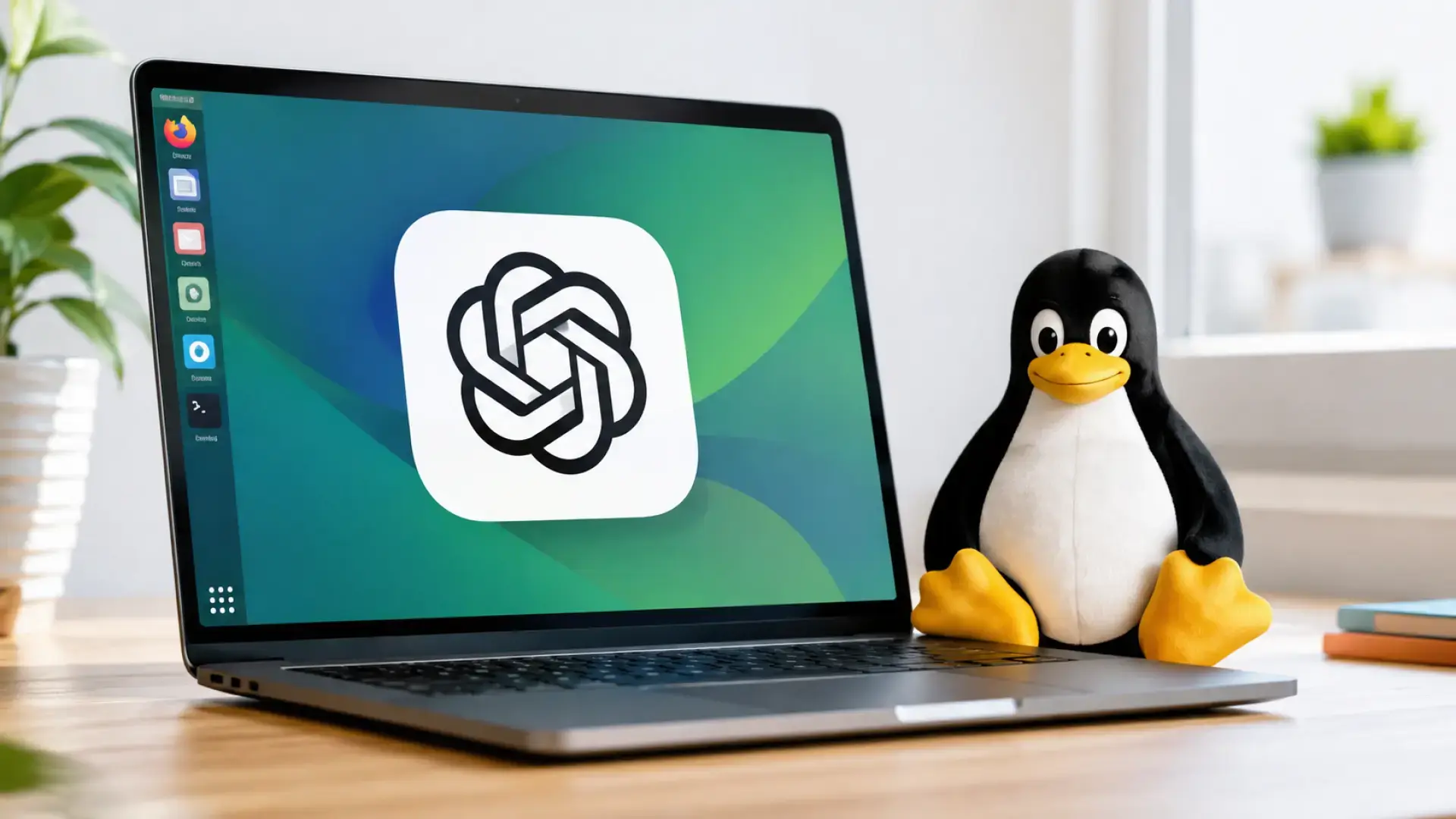
OpenAI has confirmed that the application works on the desktop versions of Ubuntu 24.04 LTS and 26.04 LTS, Debian 13, and Fedora 43 and 44. These are three of the most popular Linux distributions, and all of them support both x86-64 and ARM64 processors. Regarding formats, the company offers DEB and RPM packages, the two most common installation methods for these distributions.
The community has welcomed the inclusion of both DEB and RPM formats, something not always the case with proprietary applications. They also appreciate the consideration given to the ARM64 architecture, which is increasingly prevalent in the development world and in low-power devices, integrating with open-source trends in IoT and Edge AI . This detail demonstrates that OpenAI has listened to user requests.
Competition with Anthropic and launch context

OpenAI's move comes roughly a month after Anthropic released its own Claude desktop application for Linux. At that time, the Claude beta was only available for Debian-based distributions, excluding a significant portion of the community. Now, OpenAI is expanding its reach and offering support for three different Linux families, which can be interpreted as a direct response to its main competitor.
It's worth remembering that OpenAI had already hinted at its intentions with Linux a few weeks ago, when a survey asking users about their favorite distribution was leaked. That information, which at the time seemed speculative, has turned out to be entirely true. The company wanted to ensure its application was available on the most widely used platforms from day one.
What to expect from this preliminary version
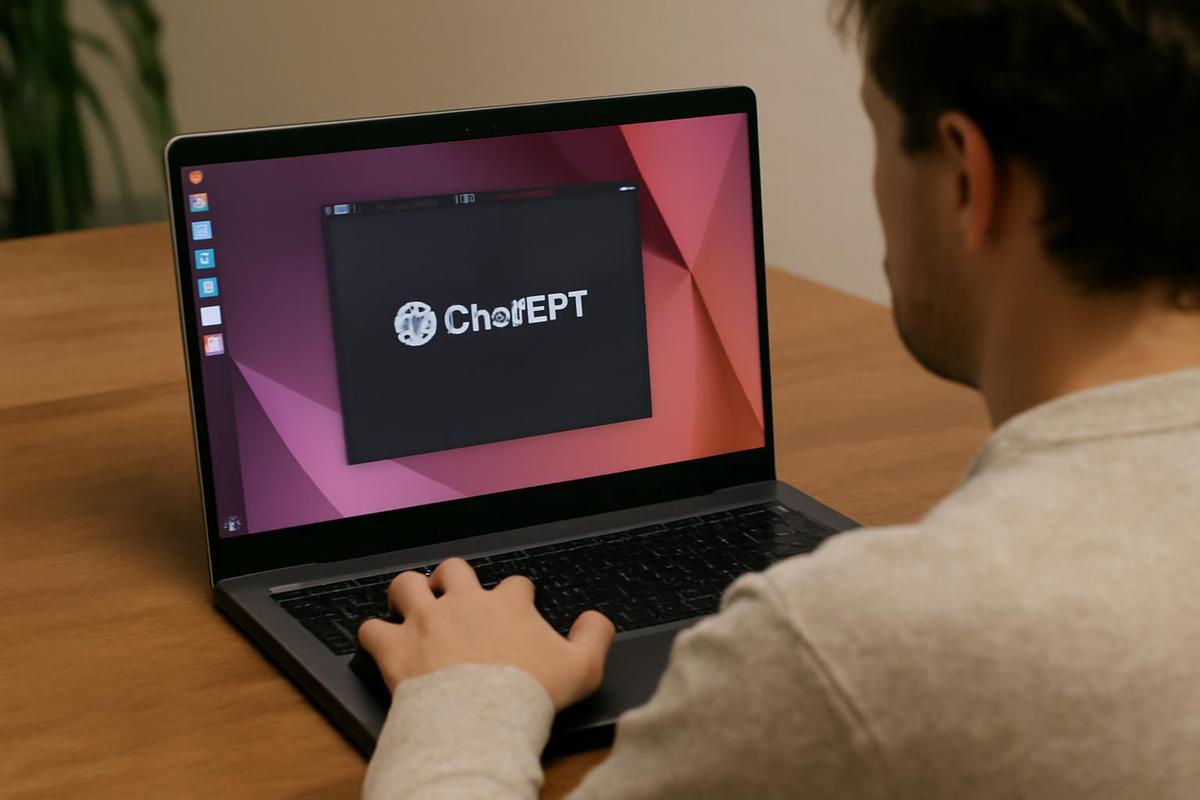
As this is a preview version, it's normal for the application to have some bugs or for some features not to be available from the start. OpenAI has asked users to report any problems so they can improve the software for the stable release. This approach is common in the Linux ecosystem, where the community is accustomed to participating in software development.
The launch of ChatGPT for Linux is good news for the ecosystem, as it demonstrates that major AI companies are starting to take this operating system seriously. The competition between OpenAI and Anthropic will benefit users, who will have increasingly more options to choose from. And while the applications still have room for improvement, the mere fact that they exist is already a step in the right direction.
With this move, OpenAI not only expands its desktop presence but also strengthens its position against rivals in a highly influential user segment within the tech world. It remains to be seen how the application will evolve and whether the open-source community will readily embrace it, but the first step has been taken and the initial reception appears positive.