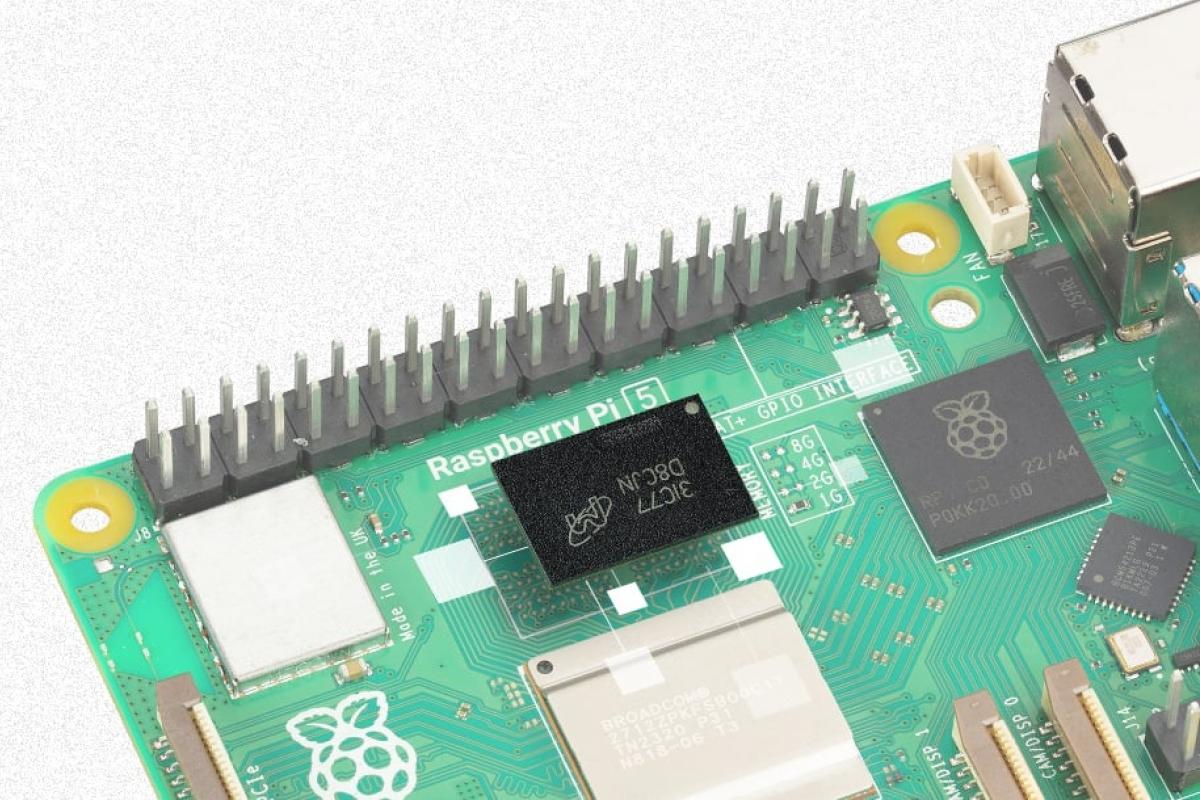
Raspberry Pi has decided to make another adjustment to its product line, this time focusing on the versions with 2GB of RAM . This move comes after several months of tension in the components market and represents a direct blow to the more modest configurations of the Raspberry Pi 4 and Raspberry Pi 5.
The price increase isn't across the board; it's concentrated on those two 2GB models. For those checking prices from Spain or any other European country, the official price is still quoted in dollars, so the final price will depend on the authorized retailer , taxes, and currency exchange rates. Even so, this move affects the company's overall pricing policy.
Which models are getting more expensive and how much do they cost now?
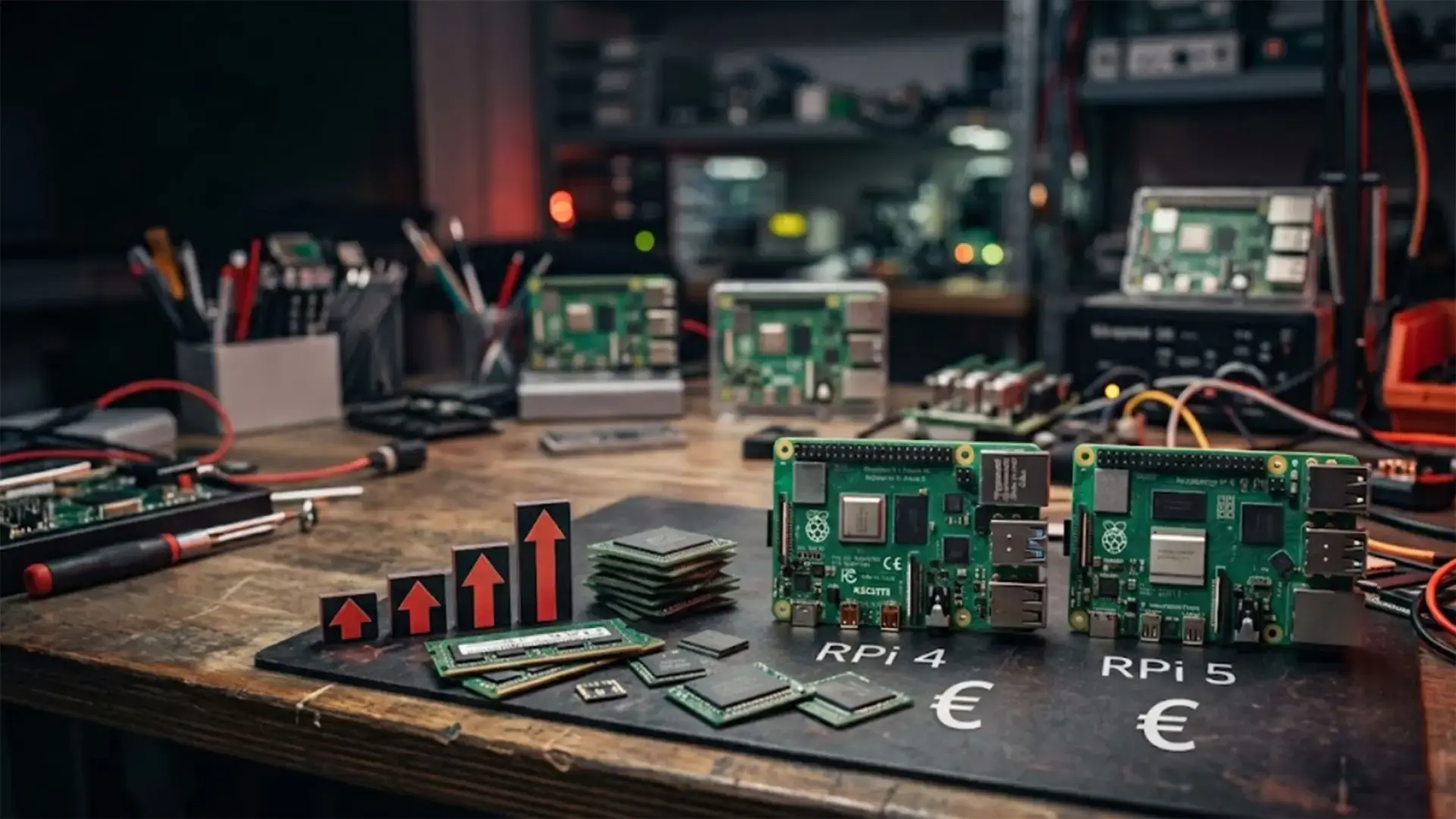
The update adds $12,50 to the price of the 2GB variants. The Raspberry Pi 4 with that capacity now costs $67,50, while the 2GB Raspberry Pi 5 remains at $77,50. These are the two main changes in this round.
The price adjustment is effective immediately. Raspberry Pi has not changed the 1GB versions of either board , which retain their previous pricing. The 2GB Compute Module 4 and Compute Module 5 , designed for industrial applications and embedded projects, are also unchanged .
For motherboards with more memory, the company hasn't announced any new changes in this update. The price increase, therefore, is focused on entry-level configurations that have so far better withstood price pressures.
Why are they getting more expensive: memory, DRAM, and the demand for AI
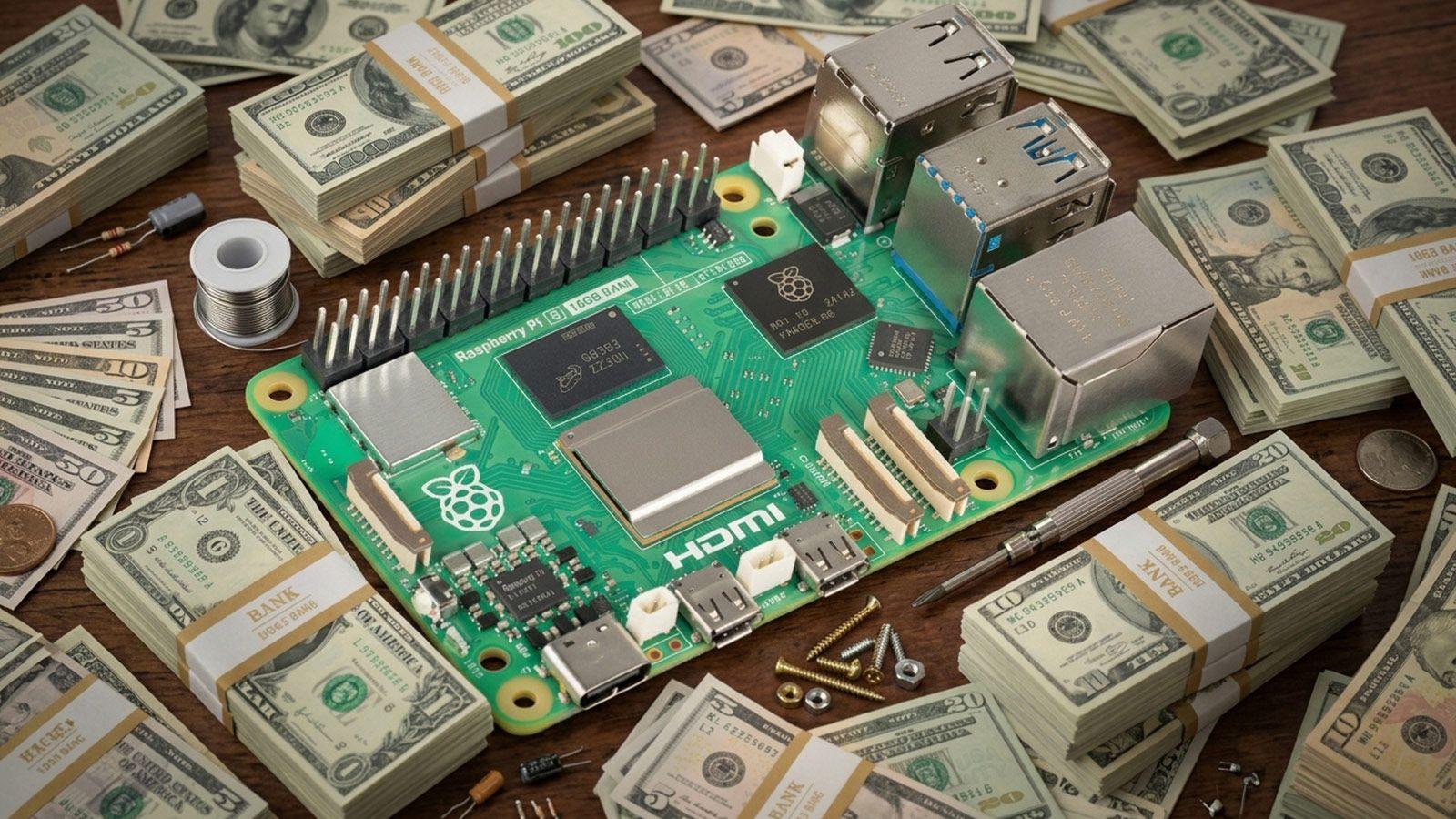
The company's explanation is simple: the cost of memory has become too high to bear. Raspberry Pi maintains that keeping the previous prices for the 2GB variants was unsustainable , especially given the behavior of the LPDDR4 DRAM used in its boards.
This type of memory has become increasingly expensive. According to company data, its price increased approximately sevenfold in a single year. Behind this phenomenon is the strong demand for artificial intelligence components, which is absorbing a significant portion of global manufacturing capacity.
This isn't a problem unique to Raspberry Pi. Supply chain pressures are affecting many electronics manufacturers, from large equipment to compact devices. In this context, the company had tried to mitigate the impact in previous funding rounds, but now it has had to pass on some of the increased cost to the 2GB versions.

In April, there was already a price revision that affected configurations with more memory. At that time, the 1GB and 2GB variants were excluded from the adjustment. That balance has now been disrupted because the cost of RAM has continued to rise.
Advice, distributors, and possible reversal
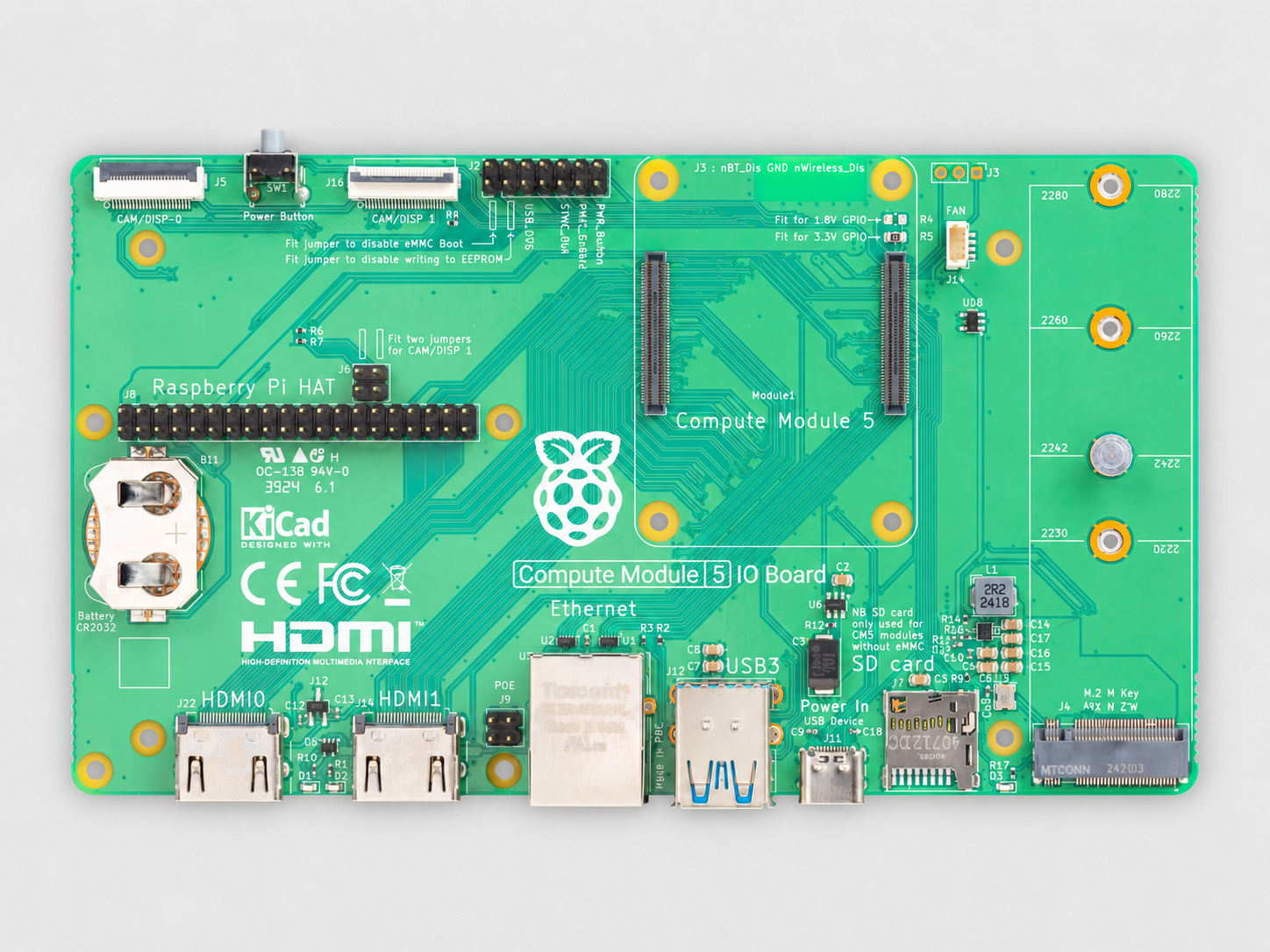
Given this situation, Raspberry Pi recommends carefully considering the amount of memory each project needs. The message is clear: there's no point in paying for RAM that won't be used , especially when this component is so expensive. For many home, educational, or prototyping uses, a modest configuration may be sufficient.
The company also suggests looking at previous generations. Models like the Raspberry Pi 3B, 3A+, or 3B+ can still handle tasks that don't require the performance of the latest boards. This is a way to reduce your investment if you don't need more resources.
Another recommendation is to buy from authorized distributors . Raspberry Pi warns that some sellers may take advantage of the shortage to inflate prices. In such a tight market, it's wise to compare prices and be wary of offers that deviate significantly from the official rates.
It's also important to note that upgrading memory yourself is no longer a reliable solution. The company has blocked the ability to modify the RAM on some devices, so choosing the right configuration from the start is crucial.
Raspberry Pi maintains that this situation should be temporary . Their intention is to reverse the price increases when memory prices fall again.
The price increase for the 2GB Raspberry Pi 4 and Raspberry Pi 5 makes the outlook less favorable for hobbyists and businesses using these boards in small projects. The $12,50 increase , bringing the new prices to $67,50 and $77,50 respectively, along with the weight of LPDDR4 memory, explains why the company has taken this action. The 1GB versions and the 2GB industrial modules remain unchanged for now, but the advice is clear: purchase only what you actually need and keep an eye on prices from authorized retailers.

Table of Contents