
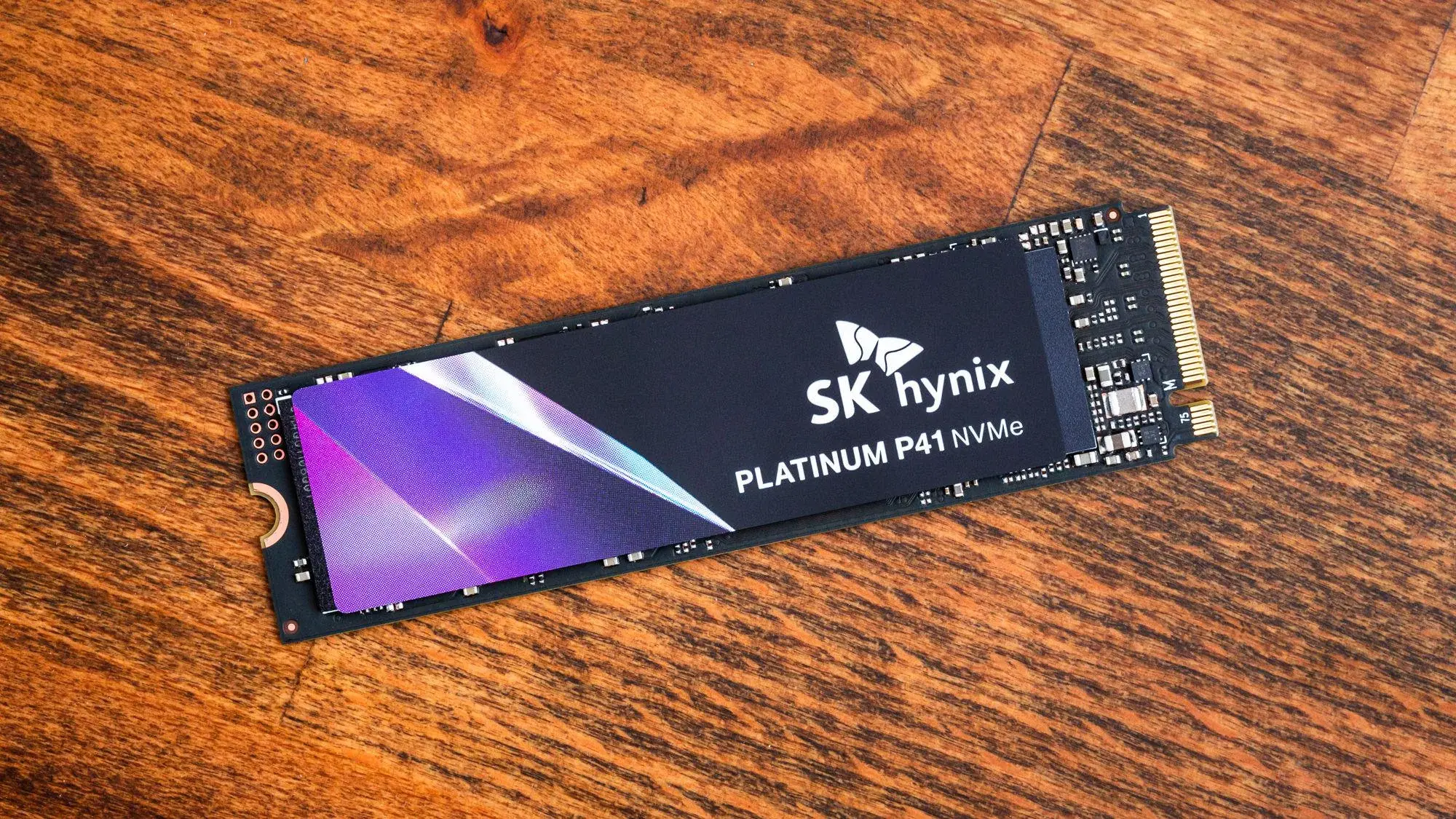
Storage shortages are causing inconvenient situations for consumers, and the latest case involves SK hynix. A Reddit user shared their experience trying to claim a warranty for their defective SSD: the company informed them that they had no replacement units available and offered only a refund. The problem is that with that amount, they can't buy an SSD with similar specifications today, as prices have skyrocketed in recent months.
This practice, while legal according to the brand's terms and conditions, is generating significant discontent among users. SK hynix's five-year warranty is rendered meaningless when, instead of repairing or replacing damaged hardware, the company uses a lack of stock as an excuse to offer a refund that doesn't cover the actual cost of an equivalent product. The situation is reminiscent of recent disputes with other brands, but in this case, the South Korean firm's policy leaves the customer at a clear disadvantage.

SK hynix warranty policy and its clauses
According to the official terms, SK hynix consumer SSDs come with a limited five-year warranty. During this period, the company can repair or replace the defective device. However, the legal terms include a clause that allows the brand to offer the buyer the lower of the original purchase price and the current market value. This clause, which might normally go unnoticed, becomes a trap in the current context , where SSD prices have risen considerably.
In practice, SK hynix is strictly enforcing this policy. The Reddit user who reported the issue received only one response: that there were no replacement parts available, and the only option was a refund. At best, the original amount will barely buy them an SSD with half the capacity, which violates the principle of respecting consumer rights. If the user wants to restore the original performance, they will have to pay double what they initially spent.
The specific case and the community's reaction
The complaint has gone viral on Reddit, where other users have shown their support and shared similar experiences. The lack of transparency and the feeling that the company is profiting from the shortage have sparked a debate about the practices of tech companies during supply crises. As has recently happened with the RAM and graphics card shortages, this measure represents a direct saving for the manufacturer, who avoids delivering a product whose current value is much higher than it was a few months ago.
The situation isn't unique to SK hynix, but the way they handled it makes a difference. Micron, for example, faced a similar problem with its Crucial line, although after strong criticism, it ended up offering higher-end memory modules to compensate affected users. Samsung, for its part, also had to deal with a lack of stock to replace an SSD, but its business policy involves using the current market value, so its refunds managed to cover the actual cost of the product at the time.
Comparison with other brands and market context
A comparison with other brands reveals that SK hynix's stance is particularly rigid. While Micron and Samsung have sought solutions that don't harm consumers, SK hynix is clinging to the fine print of its contract to minimize its losses. This strategy, although legal, could damage the brand's reputation in the long run, especially in a market where user trust is key.
The current NAND flash memory shortage and rising SSD prices have highlighted the limitations of traditional warranties. An extensive warranty on paper doesn't guarantee that the user will end up with a fully functional computer. The inventory crisis is forcing companies to rethink their customer service policies, and cases like SK hynix demonstrate that the fine print can have very real consequences.
Finally, it's worth remembering that SK hynix's warranty isn't an isolated case, but it is one of the most controversial due to the way it's being applied. The company's decision to prioritize profit over customer satisfaction has generated discontent that could translate into a loss of trust and greater demands from consumers. Meanwhile, affected users can only hope that community pressure and the publicity surrounding these cases will lead the company to reconsider its position and offer fairer solutions.
