Tire pressure sensors have become an almost invisible part of our cars' equipment, yet crucial for safety. Thanks to them, the driver receives a warning when a tire is low on air, reducing the risk of blowouts, improving grip, and helping to conserve fuel.
What was previously seen as a harmless system is now beginning to raise concerns about privacy and cybersecurity . A European investigation led by researchers in Spain has revealed that these small smart valves can be used, without the user's knowledge, to track a vehicle's movements through the radio signals they continuously emit.
TPMS: from road safety ally to potential tracking tool
The vast majority of cars on European roads today are equipped with a Tire Pressure Monitoring System , known as TPMS. This system has been mandatory in new passenger cars in the European Union since 2014 and in other countries since the late 2000s, precisely because of its contribution to road safety.
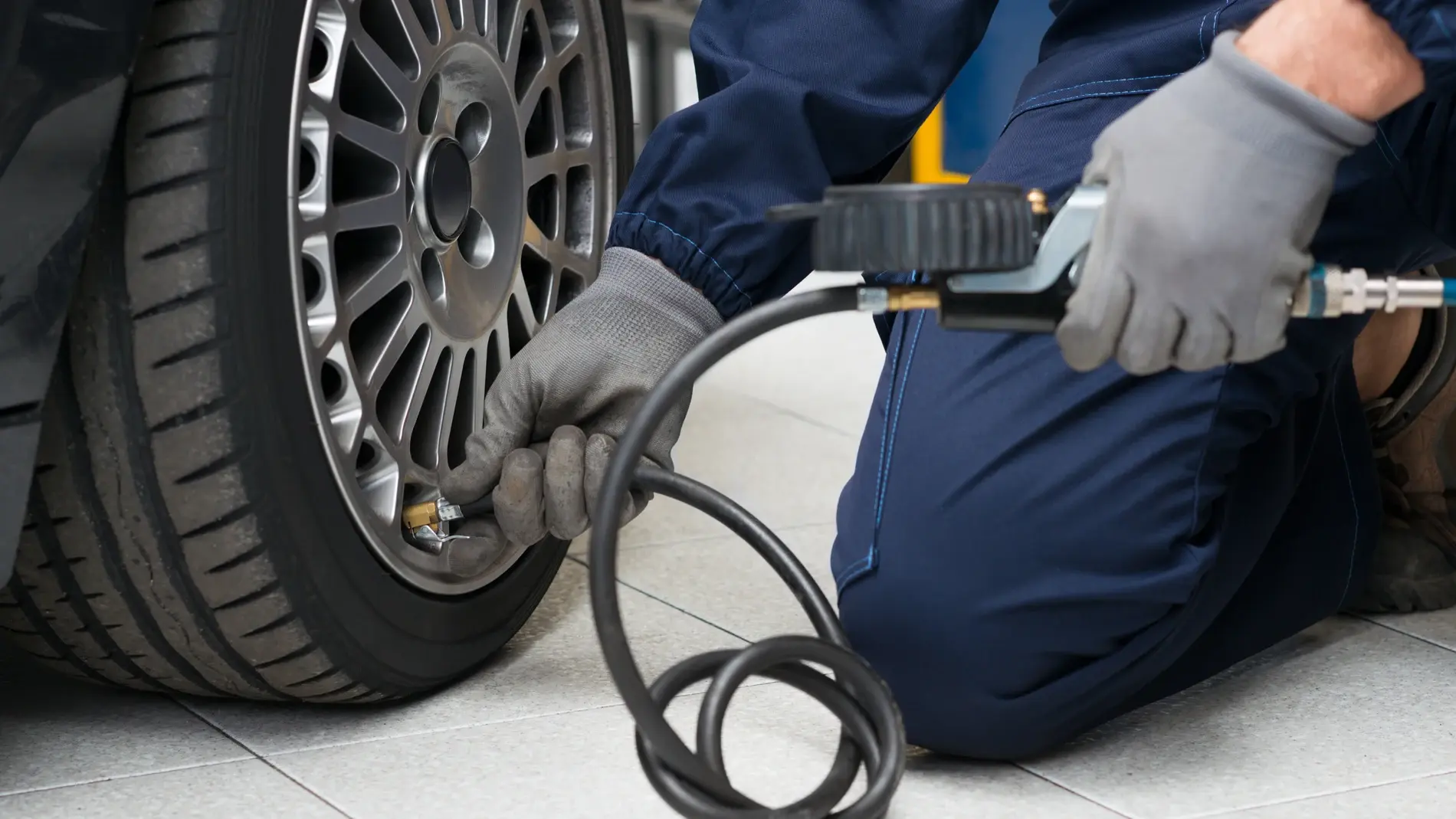
In direct TPMS systems, each wheel incorporates a small sensor, usually integrated into the valve, that measures pressure and, in many cases, temperature in real time . This information is transmitted wirelessly to the vehicle's electronic control unit. When a pressure below the manufacturer's specified threshold is detected, a warning light illuminates on the instrument panel or a message appears on the central display.
In parallel, there are indirect TPMS systems, which don't use physical pressure sensors but instead rely on the ABS system: if a tire loses air, its diameter changes and its rotational speed varies relative to the others. The car interprets this difference as a possible loss of pressure and issues a warning. In both cases, the vehicle bases part of its continuous tire condition monitoring on wirelessly transmitted signals.
So far, everything seems reasonable: more control over the tires means fewer surprises on the road. The twist comes when you analyze exactly how that data is sent, what extra information travels in each message, and who could capture it with relatively simple means, without having to tamper with the car.
The IMDEA Networks study: six million messages and 20.000 cars
A team of researchers from the Madrid Institute for Advanced Studies (IMDEA Networks) , based in the Community of Madrid, and several European partners, decided to test the extent to which tire pressure sensors could be used for more than just warning of a puncture. During ten weeks of fieldwork , they deployed a network of low-cost wireless receivers near roads and parking lots.
Each of these receivers, which according to the project leaders cost around $100 or €100 , listened to the TPMS emissions from passing vehicles. No physical contact with the car or access to its internal electronics was necessary: simply placing the devices at strategic points where thousands of vehicles drive or park daily was sufficient.
The results of that measurement campaign were conclusive. The researchers managed to collect more than six million messages from the tire pressure sensors of over 20.000 cars . From this volume of data, the team was able to analyze patterns, verify the actual range of the signals, and assess whether it was possible to repeatedly identify specific vehicles.
According to research professor Domenico Giustiniano, one of those responsible for the work, the results demonstrate that the emissions from the sensors can be used to track vehicles and reconstruct part of their movement routines, such as usual arrival times to work, frequent routes or travel habits.
Unencrypted identification codes: the gateway to tracking
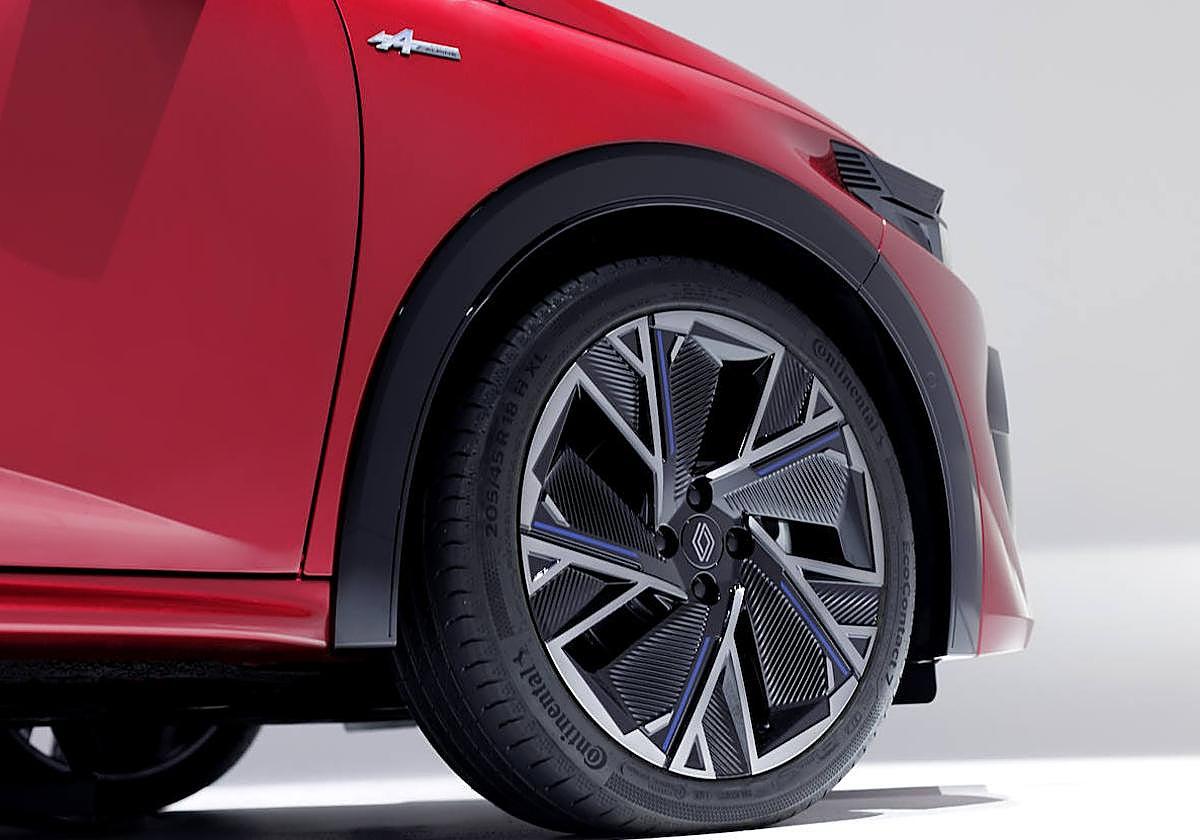
The key element of the investigation is that the sensors not only send pressure and temperature data , but also a unique identifier (ID) associated with each unit. This ID allows the vehicle itself to know which message corresponds to each wheel, but, because it travels on clear, unencrypted radio signals , it also allows an external device to recognize the same car every time it passes by.
In practice, anyone with a readily available, general-purpose radio receiver tuned to the appropriate frequencies could pick up these signals when a vehicle moves or stops within a certain distance. There's no need to see the license plate, install GPS beacons, or access the car's multimedia system: the information is transmitted automatically.
Tests by IMDEA Networks show that these signals can be picked up from more than 50 meters away, even if the car is inside a building, a garage, or hidden behind other vehicles. Because radio waves penetrate walls and obstacles, tracking does not depend on direct line of sight, unlike traffic cameras or license plate recognition systems.
Furthermore, the data transmitted by the sensors includes the tire pressure reading itself. From this information, it's possible to infer additional vehicle characteristics, such as whether it's typically driven with a heavy load, frequently towing a trailer, or whether it's a passenger car or a heavier vehicle. The combination of a unique ID and physical parameters opens the door to more detailed monitoring than one might imagine when discussing something as commonplace as inflating tires.
For researchers, this scenario presents a “hidden privacy risk” that had previously gone largely unnoticed. The key difference from other tracking technologies is that this one exploits a system implemented for security reasons, mandatory in modern cars, and which the driver cannot easily deactivate without rendering the vehicle non-compliant.
From road safety to cybersecurity: regulations that are lagging behind
The study's authors emphasize that TPMS was created with a clear objective: to prevent accidents caused by worn tires , not to protect the vehicle from attacks or digital espionage. When these systems were designed years ago, concerns about automotive cybersecurity were almost nonexistent, and no one imagined that a simple pressure signal could be used to track a car through the city.
Today, however, connected vehicles are subject to increasingly stringent cybersecurity regulations in Europe and other markets. Manufacturers must obtain specific certifications that guarantee a minimum level of protection against unauthorized access, insecure software updates, or remote manipulation of critical functions.
The problem, according to IMDEA Networks, is that tire pressure monitoring systems are not currently included among the elements required to have this level of protection. In other words, while other aspects like the car's internet connection and over-the-air (OTA) updates are being secured, the vulnerability of tire pressure sensors remains.
Researchers are urging the government and industry to address this regulatory gap and incorporate TPMS into the cybersecurity requirements for connected vehicles. Their proposal involves introducing encryption and authentication mechanisms into sensor communications, preventing third parties from easily interpreting or associating the signals traveling between the wheels and the vehicle's control unit.
Until that leap occurs, they warn, sensors will remain an easy target for passive surveillance . This isn't necessarily a massive risk in the short term, but it is a known vulnerability that could be exploited by anyone wanting to monitor entire fleets of vehicles or by those searching for specific people's movement patterns.
Tire pressure remains key to safety
Even with this underlying debate, experts remind us that maintaining proper tire pressure is essential for safe driving. The Spanish Directorate General of Traffic (DGT) emphasizes the importance of checking tire pressure at least once a month and always before a long journey, using a reliable tire pressure gauge and following the manufacturer's recommended values, which are usually found on the door, frame, or fuel filler cap.
Incorrect tire pressure alters a car's handling: underinflated tires increase rolling resistance, fuel consumption , and CO2 emissions. At the same time, the rubber heats up more and wears unevenly, shortening its lifespan and reducing grip, especially in the rain.
When tire pressure is too high, the central area of the tread bears almost all the contact with the road surface, causing premature wear in the center and reduced ride comfort. Conversely, driving with very low tire pressure puts more stress on the shoulders, wearing down the sides and increasing the risk of deformation that can lead to a blowout.
Manufacturers and public agencies agree that the tire is the only point of contact between the car and the road . Its condition directly impacts braking distance, cornering stability, and the effectiveness of other electronic driver assistance systems. ABS and stability control are of little use if the tire cannot properly transmit power to the road surface.
That's why, beyond the advantages of TPMS and the warnings on the dashboard, specialists continue to recommend a periodic manual and visual inspection : checking for wear, possible cuts, bumps on the rim and making sure that the pressure is adjusted to the actual load of the vehicle, especially if you are going to travel with the trunk full or with several occupants on board.
Smart and connected tires: more data, more responsibility
While debate continues about how to better protect against emissions from current TPMS systems, the tire industry is moving toward a new generation of smart tires . These products integrate sensors inside the casing capable of recording not only pressure, but also temperature, tread wear, and, in some cases, tire behavior while driving.
Based on this, solutions are being developed such as connected valves that show the driver the exact pressure of each tire in real time, or platforms that allow the tire itself to "talk" to the vehicle's driver assistance systems to anticipate risky situations. Some manufacturers, like Goodyear with its SightLine program, are working on technologies that interpret tire data to estimate the level of available grip and road conditions.
In everyday driving, this information can reach the driver through the instrument cluster, a head-up display, or connected apps. Among the advantages mentioned are early detection of anomalies (low pressure, excessive temperature, significant wear), speed recommendations based on the type of tire fitted, and even predictive maintenance , calculating how many kilometers remain before tire replacement is necessary.
In the professional sector, many fleets already use solutions like these to better manage tire changes, reduce on-road incidents, and optimize fuel consumption. The combination of onboard sensors and advanced data analysis allows for scheduling workshop visits at the right time, instead of waiting for a problem to occur or changing tires purely as a precaution.
This entire ecosystem, involving manufacturers, networks of specialized workshops, and connected service providers, reinforces the idea that the tire has gone from being a passive component to a digitized and connected element . And, as with any device that generates and sends data, the more sophisticated the system, the greater the responsibility to protect the information it handles.
The picture painted by these studies is one of tire pressure sensors, essential for vehicle safety and maintenance, but which also expose a less visible aspect related to privacy. Amid the obligation to check tire pressure monthly, the benefits of monitoring systems, and the move toward fully connected tires, a clear message emerges for European manufacturers and regulators: if cars are going to increasingly communicate through their tires, it's crucial to ensure that this communication is done with adequate encryption and control measures so that this "voice" doesn't unknowingly become a tracking tool.
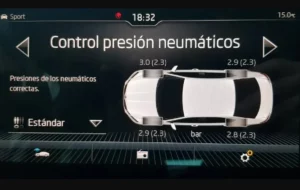
Table of Contents
- 1 TPMS: from road safety ally to potential tracking tool
- 2 The IMDEA Networks study: six million messages and 20.000 cars
- 3 Unencrypted identification codes: the gateway to tracking
- 4 From road safety to cybersecurity: regulations that are lagging behind
- 5 Tire pressure remains key to safety
- 6 Smart and connected tires: more data, more responsibility